Two-Michelin-Star Restaurant in Seoul Fined for Using Ants as Garnish
Baca dalam 60 detik
- Evett, restoran dua bintang Michelin di Seoul, dijatuhi denda total 25 juta won karena menyajikan semut sebagai hiasan makanan, melanggar Undang-Undang Sanitasi Pangan Korea Selatan.
- Semut tidak termasuk dalam 10 spesies serangga yang diizinkan untuk konsumsi manusia di Korea; otoritas juga menemukan logam berat melebihi ambang batas pada semut yang diuji.
- Kasus ini menyoroti ketatnya regulasi pangan di Korea dan dapat menjadi preseden bagi restoran fine dining di Asia, termasuk Indonesia, dalam menggunakan bahan non-konvensional.
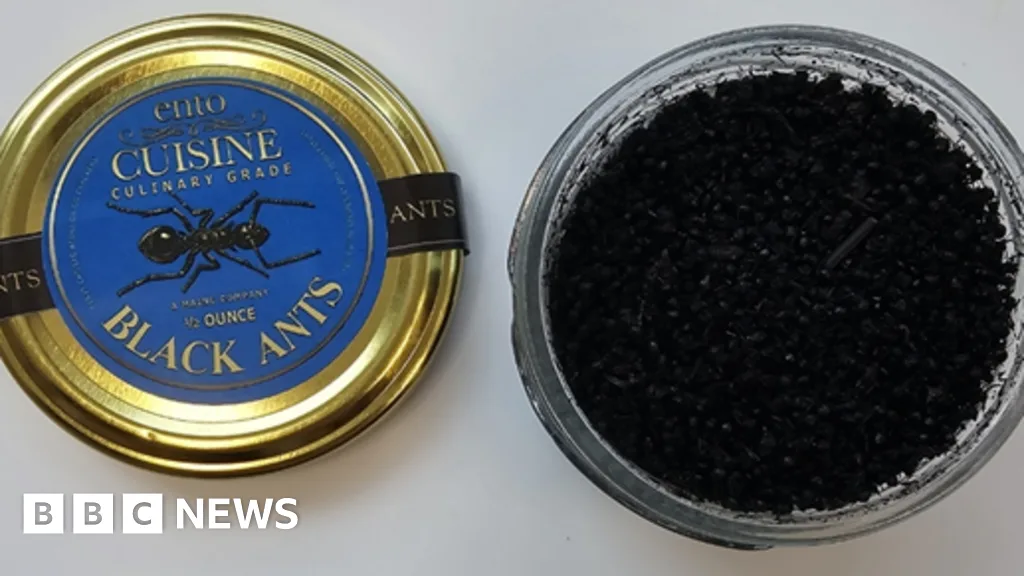
A luxury restaurant in Seoul, Evett, which holds two Michelin stars, was fined for using ants as a garnish on a dessert dish. The restaurant owner was sanctioned 15 million won (around Rp175 million), while the operating company was fined 10 million won for violating South Korea's Food Sanitation Act.
Prosecutors initially sought a one-year prison sentence and a 20 million won fine, but the panel of judges took into account the defendant's admission and the absence of a criminal record. Nevertheless, the judge emphasized that in addition to violating food standards, the ants tested contained heavy metals above the threshold, so the offense was deemed "not light."
The practice came to light after South Korea's Ministry of Food and Drug Safety found an online review accompanied by photos. For nearly four years, the restaurant owner was reported to have sprinkled three to five ants on certain dishes to provide a sour taste, with a total of around 49,000 ants used. Most of the ants were imported from the United States, the rest from Thailand.
The restaurant owner argued he was unaware of the prohibition because ants are commonly consumed in various parts of the world. He also stated that ants were used in only a small portion of the 15-dish menu and that customers were given the option of alternative toppings. However, this argument did not negate the violation.
"The offense is not light because in addition to violating food standards, excessive heavy metals were also found," the judge stated, as quoted by local media.
In many Asian, African, and Latin American cultures, ants are indeed consumed, even considered a delicacy. In Thailand and Cambodia, weaver ants and their eggs are used in cooking, while in Colombia, queen ants are valued like caviar. However, South Korea has a positive list of 10 insect species permitted for consumption, including grasshoppers, crickets, and several types of silkworms. Ants are not included.
This case serves as a warning for the global fine dining culinary industry, especially in countries with strict food regulations. For Indonesia, which has a wealth of edible insects such as crickets and grasshoppers, this incident underscores the importance of clear regulations and oversight. Indonesia's Food and Drug Monitoring Agency (BPOM) has regulated certain food ingredients, but insects have not been fully accommodated. Restaurants serving experimental insect-based dishes risk facing similar sanctions if they do not comply with food safety standards.
Going forward, will Michelin restaurants become more careful in choosing unconventional ingredients? Or will food regulations in various countries instead adapt to the evolving culinary trends? What is clear is that culinary innovation must go hand in hand with compliance with rules and consumer safety.