Two Bodies of KM Virgo Transport 8 Victims Arrive in Garut, 12 Survivors Still Stranded in Banjarmasin
Baca dalam 60 detik
- Erick Maisul Latif (37) dan Risyan Kurnia Putra (28) diserahkan ke keluarga di Karangpawitan, Garut, Rabu petang setelah pengantaran dibiayai Kementerian Perhubungan dari Kalimantan.
- Dari 22 korban kecelakaan di Laut Jawa, 12 orang selamat kini dirawat di Banjarmasin dan menunggu pemulangan, sementara sisanya masih dalam pencarian.
- Insiden ini menambah catatan hitam keselamatan pelayaran rakyat dan mendesak evaluasi menyeluruh atas standar armada serta pengawasan rute padat penumpang.
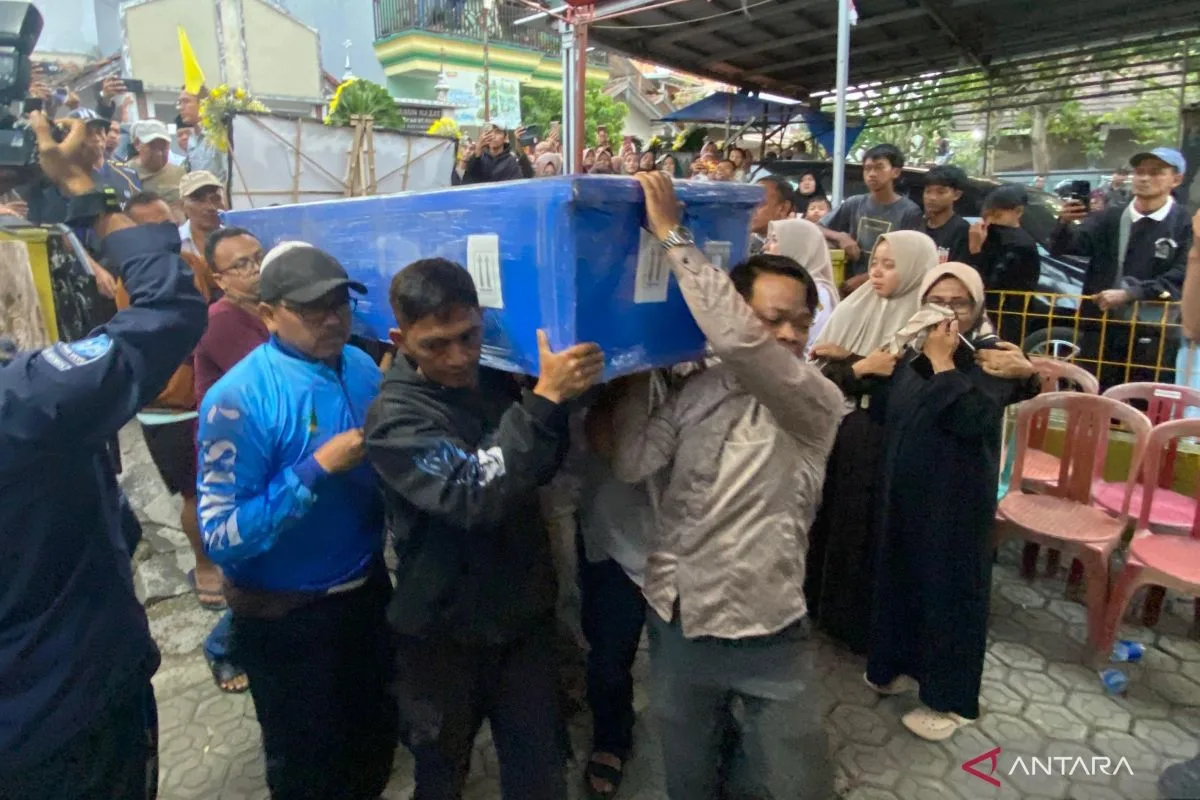
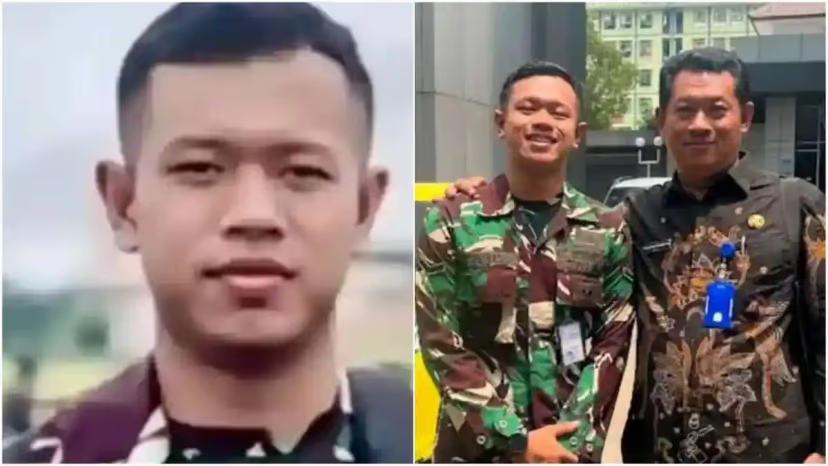
Two bodies of victims of the Kapal Motor Virgo Transport 8 accident finally arrived in Situsaeur Village, Karangpawitan District, Garut Regency, West Java, on Wednesday (17/9) at around 17.20 WIB. Both, Erick Maisul Latif (37) and Risyan Kurnia Putra (28), were handed over to their families to be buried not far from the funeral home. The arrival of two ambulances escorted by Ministry of Transportation officials and police was met with sobs from residents who had been waiting since midday.
The incident is part of the KM Virgo Transport 8 tragedy that sank in the waters of the Java Sea in the early hours of Sunday (13/9). Of the 22 people on board, 12 were rescued and are now being treated in Banjarmasin, Kalimantan. The rest have not been found. The Head of the Garut Social Affairs Office, Marlinda Siti Hana, confirmed that all costs of transporting the bodies from Kalimantan to Jakarta and on to Garut were covered by the Ministry of Transportation. "The bodies arrived in Garut to be handed over to their families," she said.
For the victims' families in Garut, the certainty of the bodies' return marks the beginning of a long period of mourning. But public attention is now focused on the fate of the 12 survivors still in Banjarmasin. The West Java provincial government was previously reported to have provided waiting funds for the survivors, although their repatriation process has not been completed. The slow repatriation raises questions about cross-regional coordination in handling maritime disasters.
The KM Virgo incident is not the first to hit people's sea transport. For years, inter-island passenger ships—especially those serving busy routes such as Kalimantan–Java—have often faced classic problems: overload, extreme weather, and limited navigation equipment. Data from the National Transportation Safety Committee (KNKT) shows that shipping accidents in Indonesia are still dominated by human error and procedural negligence. Therefore, the sinking of the KM Virgo should be an alarm for regulators to tighten fleet supervision, especially ahead of the strong wind season.
"The survivors are still being handled there, and their return to Garut will be assisted as soon as possible," said Marlinda Siti Hana, Head of the Garut Social Affairs Office.
From an economic standpoint, the accident disrupts the mobility of goods and people on the Java Sea route, which is the backbone of regional trade. Distribution delays can trigger short-term increases in logistics costs, which ultimately burden consumers. For investors with exposure to the transportation and logistics sector, this incident is a reminder that operational risks on people's shipping routes remain high and are often not well insured.
Local governments and the Ministry of Transportation need to ensure the evacuation of survivors proceeds transparently and accountably. In addition, a thorough investigation must be carried out immediately to identify the exact cause, whether it was purely bad weather or there was negligence that can be prosecuted. Without strict enforcement of the rules, the potential for similar accidents will continue to haunt passengers of people's ships, who are mostly from lower-middle-income backgrounds.
Going forward, the public is waiting to see whether the KM Virgo incident will trigger a revision of shipping safety regulations or merely become an annual statistic that is quickly forgotten. What is clear is that the victims' families in Garut are still waiting for certainty about the fate of their surviving family members, while 10 others have not been found. Will the state be more strongly present to protect citizens who depend on sea transport?