570 Rohingya Refugees in Pekanbaru: Surviving by Selling and Working Amid Constraints
Baca dalam 60 detik
- Sebanyak 570 pengungsi Rohingya, termasuk sekitar 200 anak, menempati kawasan dekat Rudenim Pekanbaru dengan bangunan sederhana dari kayu dan terpal.
- Di tengah keterbatasan, sebagian pengungsi membuka warung dan bekerja sebagai buruh bangunan untuk memenuhi kebutuhan sehari-hari.
- Keberadaan mereka memunculkan pertanyaan tentang strategi penanganan pengungsi jangka panjang di Indonesia, terutama terkait integrasi ekonomi dan akses layanan dasar.
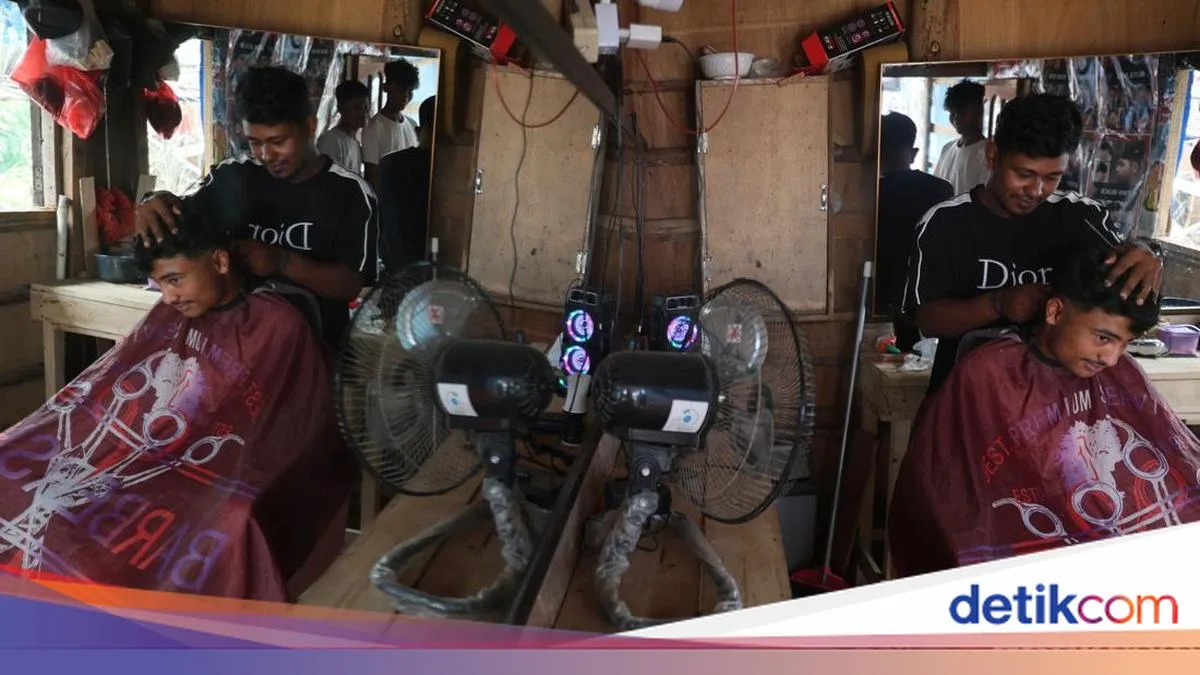
As many as 570 Rohingya refugees currently live in an encampment near the Pekanbaru Immigration Detention Center (Rudenim) in Riau. Of that number, around 200 are children. They occupy simple buildings, some made of wood with tarpaulin walls, yet daily life goes on, from children playing to adults working and selling goods.
Their presence in Pekanbaru is not new, but the highly limited living conditions highlight an ongoing humanitarian challenge. Unlike formally managed refugee camps, this area resembles a temporary settlement that has grown organically. The refugees try to create a normal routine: some open small stalls, others work as construction laborers, and some carry out self-care activities such as cutting each other's hair.
Although there is no open conflict, life in this encampment presents a dilemma for both local and central government. Indonesia is not a party to the 1951 Convention relating to the Status of Refugees, so it has no legal obligation to grant permanent status or citizenship. However, as a country that upholds humanitarian values, Indonesia still shelters them while awaiting a solution from international organizations such as UNHCR. In practice, the refugees are often trapped in legal and economic uncertainty, because they are not allowed to work formally.
Therefore, the emergence of stalls and informal work in the encampment can be read as a survival strategy. Local governments may allow such activity as a way to reduce the burden of social assistance, but on the other hand, it raises questions about legality and protection for the refugees themselves. Without clear legal status, they are vulnerable to exploitation and face difficulty accessing proper health services and education for children.
"We just want to live in peace and be able to send our children to school. Here we try to be self-reliant by selling, but it is still difficult in every way," said a refugee who declined to be named.
From a policy perspective, the presence of 570 refugees in Pekanbaru adds to the long list of challenges in handling refugees in Indonesia. Previously, waves of Rohingya arrivals in Aceh and other regions had sparked debate about the role of local versus central government. Pekanbaru itself is not a coastal area that typically serves as an entry point, so their presence there indicates secondary movement from initial shelter locations. This signals that interregional coordination remains weak and needs improvement.
For readers in Indonesia, especially professionals and investors, this issue may seem far from business matters. However, social stability and Indonesia's international image are also influenced by how the country treats vulnerable groups. Unclear handling of refugees can become a spotlight in international human rights forums and could potentially affect trade or investment relations, especially if it is seen as violating humanitarian principles. In addition, the presence of refugees in an area can open informal economic opportunities, but also create competition for resources if not managed well.
Going forward, there needs to be a breakthrough in cooperation between the government, UNHCR, and civil society organizations to provide long-term solutions. Options such as relocation to third countries, granting temporary work permits, or economic empowerment programs could be a middle path. Without that, conditions like those in Pekanbaru will keep recurring, and the refugees will continue to live in uncertainty. The question is, will Indonesia remain an uncertain transit point, or begin designing a more humane and sustainable framework for handling them?