US Admits to Having Weapons in Orbit, China Urges End to Space Arms Race
Baca dalam 60 detik
- Angkatan Luar Angkasa AS untuk pertama kali mengonfirmasi keberadaan senjata kendali ruang angkasa yang sudah ditempatkan di orbit, tanpa merinci jenis maupun kemampuannya.
- China merespons keras melalui Kementerian Luar Negeri, menuduh Washington memperluas kemampuan militer dan berpotensi menjadikan luar angkasa sebagai medan perang.
- Pengakuan ini memperuncing ketegangan geopolitik di domain ruang angkasa yang selama ini diatur Perjanjian 1967, dengan implikasi langsung pada keamanan satelit komersial dan militer termasuk di kawasan Asia-Pasifik.
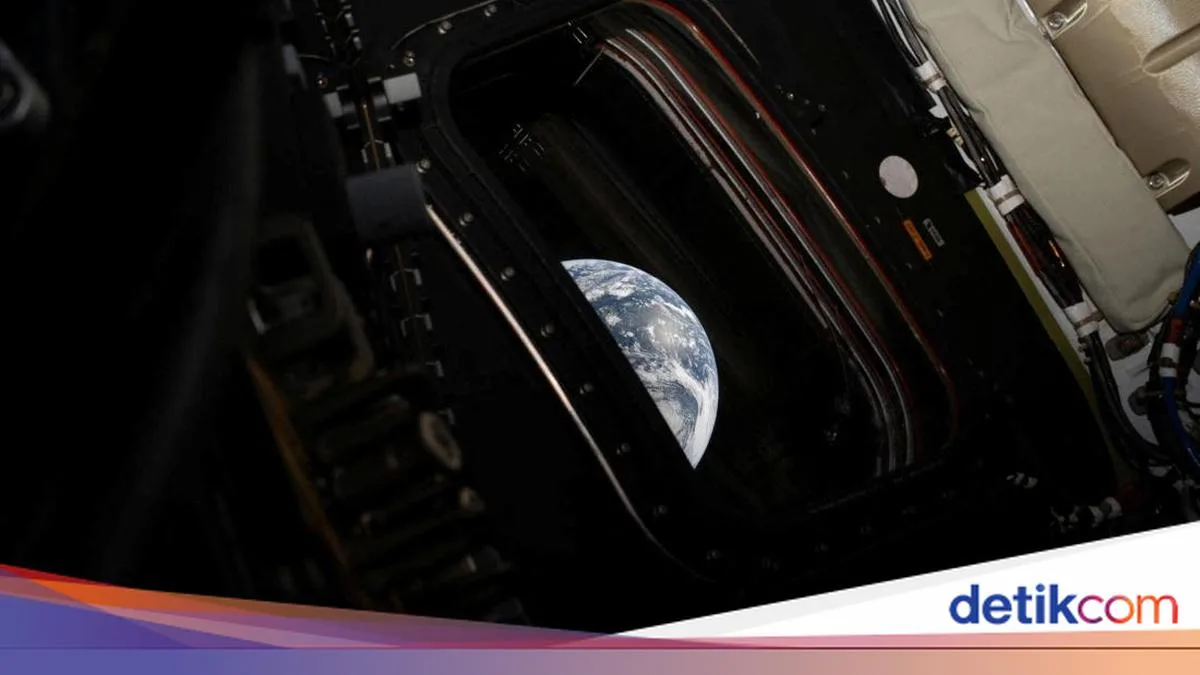
The United States Space Force confirmed for the first time that it has placed space control weapons in Earth's orbit. The acknowledgment, delivered on Monday (14/9) local time, marks a significant shift in Washington's military transparency policy in a domain that has long been kept under tight secrecy.
A US Space Force spokesperson stated that the country has the capability to defend the Joint Force from threatening enemy actions, without disclosing technical specifications, numbers, or exact locations. The statement emphasized that space control includes operations to contest and control the orbital domain, through both kinetic and non-kinetic means.
What makes this statement crucial is the assertion that such capabilities can be used for offensive as well as defensive purposes. In military doctrine, such an admission is rarely made openly because it risks triggering an arms race and altering the strategic calculations of other countries. The US move immediately drew a sharp reaction from Beijing.
Chinese Foreign Ministry spokesperson Guo Jiakun, at a press conference in Beijing, demanded that Washington stop expanding its military capabilities and preparations for war in outer space. China views such armament as capable of turning Earth's orbit into a battlefield, with risks felt not only by major powers but also by developing countries that rely on satellites for communication, navigation, and weather monitoring.
"We urge the US side to stop expanding its military capabilities and preparing for war in outer space," said Guo Jiakun, as quoted by the AFP news agency.
The history of the militarization of space actually goes back a long way. After the Soviet Union launched Sputnik in 1957, Washington and Moscow began exploring ways to arm orbit and disable rival satellites. The main concern at the time was nuclear weapons in space, which were later banned through the 1967 Outer Space Treaty. However, that treaty did not prohibit the development of conventional weapons, lasers, or anti-satellite technology that is now the main focus of competition.
In recent decades, Russia, the US, China, and India have tested anti-satellite capabilities, including shooting down satellites with missiles. Satellites themselves are the backbone of military communication, surveillance, and global navigation. Disruption to these assets can cripple modern military operations and disrupt civilian services such as GPS, banking, and aviation.
For Indonesia, this development is not merely distant geopolitical news. As an archipelagic country that relies on satellites for communication, maritime navigation, disaster monitoring, and military operations, escalation in space can have a direct impact on the security of national digital infrastructure. Dependence on foreign satellite systems, especially those of the US and China, places Indonesia in a vulnerable position if a conflict disrupts orbital operations. The government needs to factor this risk into defense policy and the development of national satellites.
In addition, US-China tension in space could affect the stability of the Indo-Pacific region. ASEAN countries, including Indonesia, face a dilemma between maintaining good relations with both major powers and protecting their technological sovereignty. An arms race in orbit also has the potential to trigger an increase in military spending in the region, which could divert resources from economic development.
Going forward, the question is whether the international community will be able to formulate a new regulatory framework that limits weapons in space, or instead allow orbit to become an arena of permanent confrontation. Without a binding agreement, the risk of miscalculation and escalation will continue to rise, with consequences that are difficult to predict for global security and the digital economy that depends on satellites.