Aung Myint's 'Clash' Ignites Myanmar Art Scene at Supples Gallery
Baca dalam 60 detik
- Aung Myint's 'Clash' confronts viewers with raw, unflinching works that blend traditional Burmese motifs with modernist rebellion.
- Each piece serves as a visual protest against censorship, using bold strokes and fragmented forms to depict societal fractures.
- The exhibition's timing—during Myanmar's ongoing crisis—amplifies its political charge.
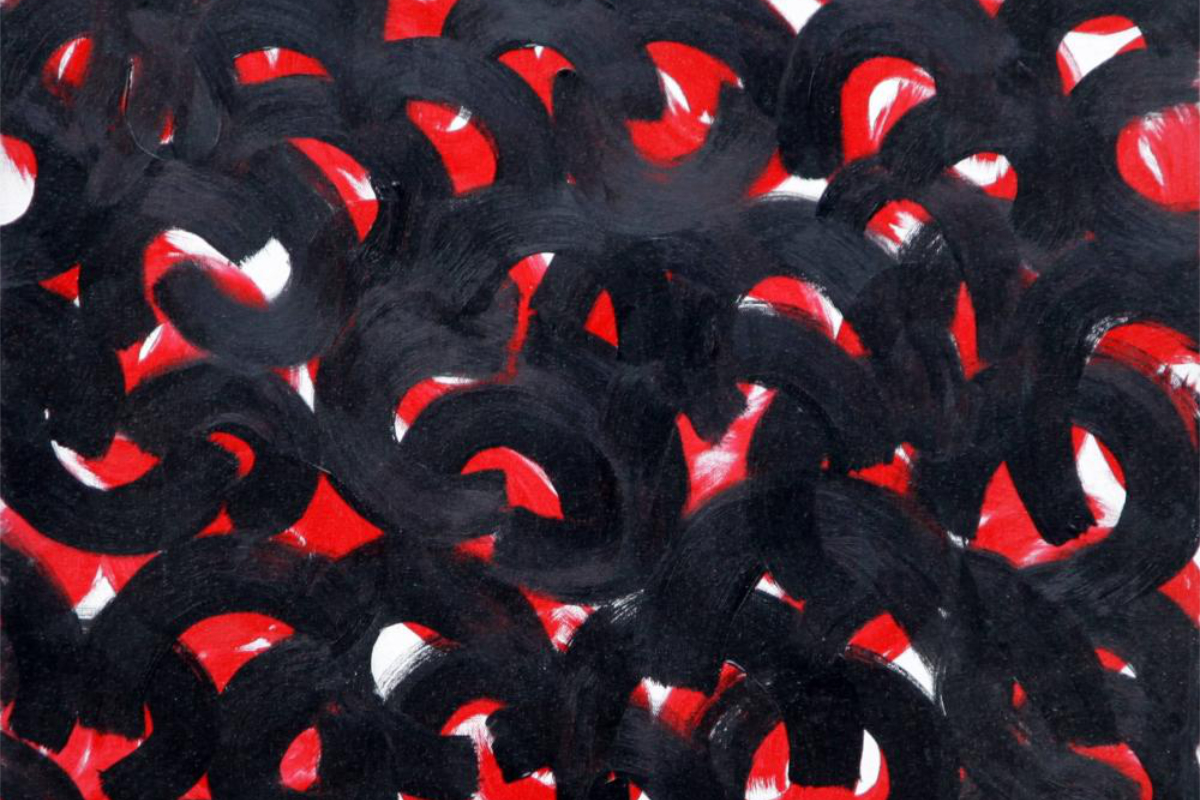
Aung Myint's 'Clash' confronts viewers with raw, unflinching works that blend traditional Burmese motifs with modernist rebellion. Each piece serves as a visual protest against censorship, using bold strokes and fragmented forms to depict societal fractures. The exhibition's timing—during Myanmar's ongoing crisis—amplifies its political charge.
By partnering with Sea Art Gallery, Supples Gallery extends its reach beyond Yangon's elite, tapping into a network of regional collectors. This alliance creates a distribution channel that bypasses state-controlled venues, ensuring Myint's voice reaches international audiences. The strategic curation positions 'Clash' as both art and resistance.
Myint's choice of mixed media—from lacquer to found objects—mirrors the hybrid nature of Myanmar's struggle: ancient traditions colliding with modern authoritarianism. The exhibition's layout forces viewers to navigate clashing forms, mimicking the country's fractured reality. Sales data from opening week suggests strong demand from diaspora buyers.
Power Move: Aung Myint's 'Clash' isn't just an exhibition—it's a blueprint for cultural survival. By leveraging gallery alliances and diaspora networks, Myanmar artists can sustain their voice despite state suppression. Expect this model to spread across Southeast Asia as authoritarianism tightens its grip.
This article was edited with AI assistance for readability. Read original here.