Edmonton Weighs High Level Bridge Future: Infrastructure Power Play
Baca dalam 60 detik
- The 'mega bridge' concept targets the High Level Bridge's underutilized capacity, potentially adding light rail transit lanes and expanded active transportation corridors.
- City data shows the bridge currently carries 30,000 vehicles daily but lacks modern multimodal efficiency.
- This upgrade could reduce downtown congestion by 15% while boosting tourism connectivity.
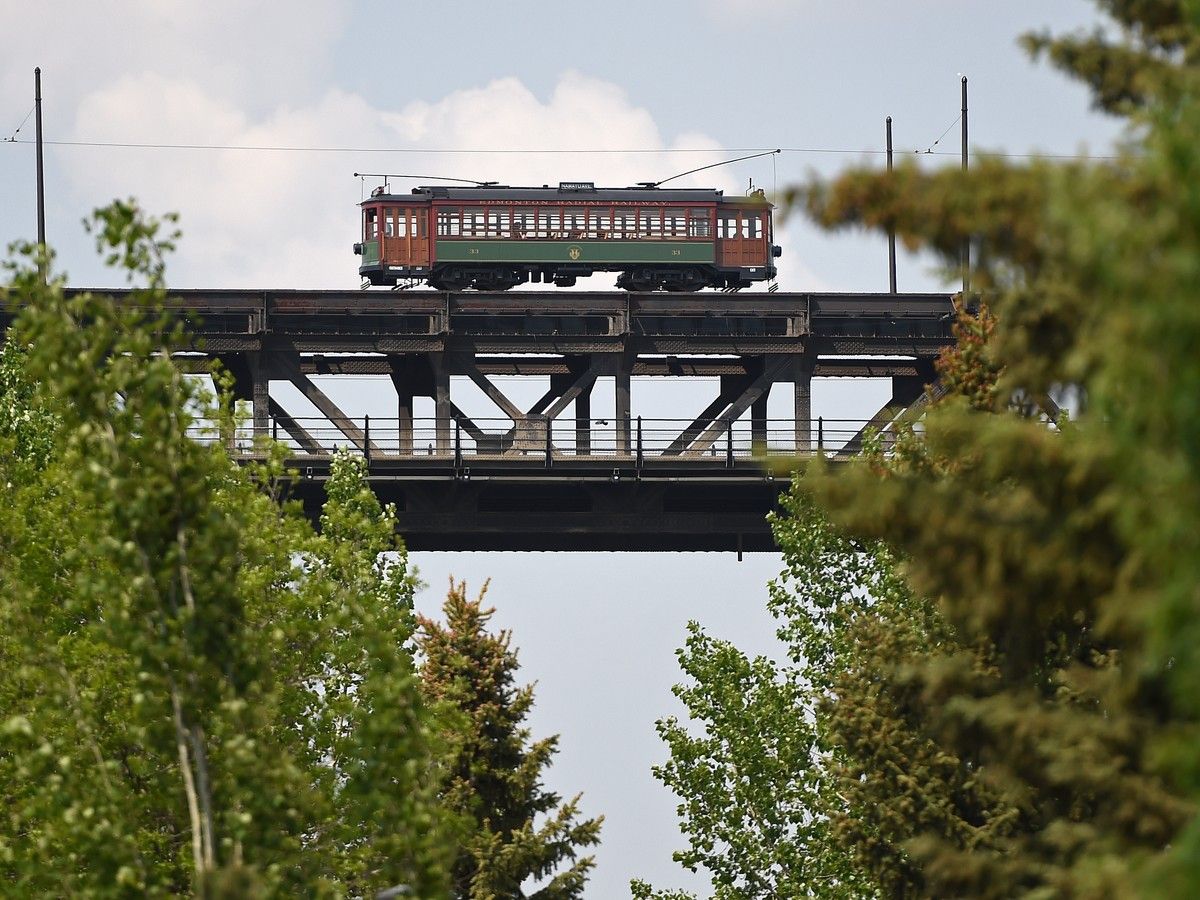
The 'mega bridge' concept targets the High Level Bridge's underutilized capacity, potentially adding light rail transit lanes and expanded active transportation corridors. City data shows the bridge currently carries 30,000 vehicles daily but lacks modern multimodal efficiency. This upgrade could reduce downtown congestion by 15% while boosting tourism connectivity.
Mayor Sohi's push aligns with Edmonton's Climate Resilience Strategy, targeting a 50% mode shift to sustainable transport by 2030. The bridge's central location makes it a linchpin for connecting river valley trails to downtown cores. Critics question cost estimates, but early projections suggest a $200 million investment could yield $1.
This initiative mirrors global trends in adaptive reuse of iconic infrastructure, similar to New York's High Line or Toronto's Bentway. Edmonton's move could attract federal infrastructure funding under Canada's National Active Transportation Strategy. The decision timeline targets 2026, with public consultations set for Q4 2024.
Power Move: Edmonton's 'mega bridge' isn't just about moving cars—it's a strategic bet on multimodal urban futures. If approved, this project could become a template for mid-sized cities balancing heritage with modernization. Expect private-public partnerships to dominate funding discussions.
This article was edited with AI assistance for readability. Read original here.