NYC Trains Play Orchestra: Viral Sonic Art Experiment
Baca dalam 60 detik
- The artist rigged sensors and MIDI controllers to subway cars, mapping train movements to sound effects and melodies.
- Each line's unique rhythm and speed generate distinct compositions, from the screeching brakes of the 7 train to the hum of the L.
- Riders become unwitting musicians, their journeys transformed into collaborative, ever-changing scores.
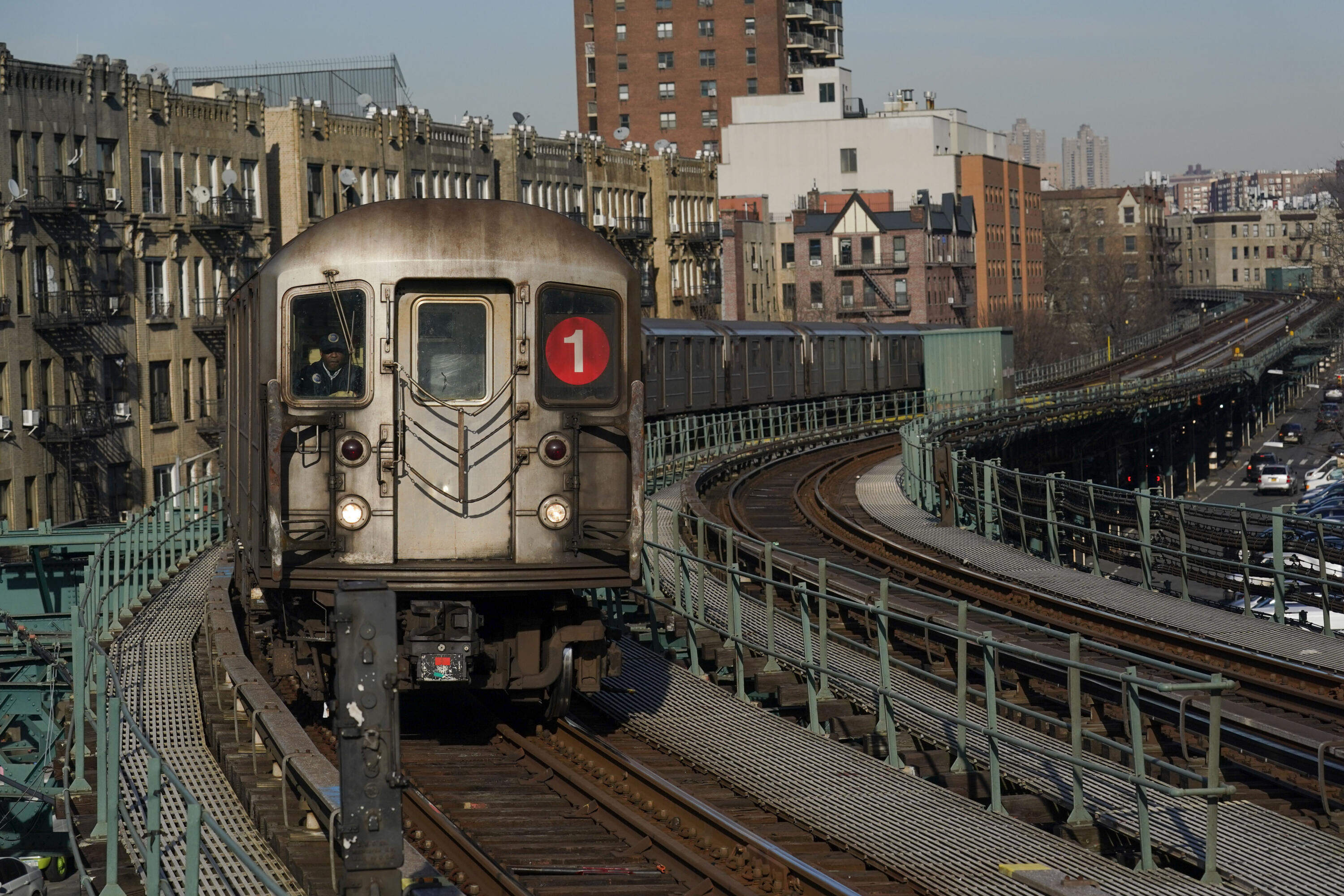
The artist rigged sensors and MIDI controllers to subway cars, mapping train movements to sound effects and melodies. Each line's unique rhythm and speed generate distinct compositions, from the screeching brakes of the 7 train to the hum of the L. Riders become unwitting musicians, their journeys transformed into collaborative, ever-changing scores.
This project follows a trend of interactive public art installations leveraging IoT and AI. Similar experiments in London and Tokyo used train vibrations to create ambient music, but NYC's scale is unprecedented. The paid-only access model creates exclusivity, driving demand and viral buzz.
Critics argue the project commodifies public art, while supporters see it as a democratization of music creation. The strategic use of a paywall generates revenue and data insights, potentially influencing future urban soundscapes. This could spark a new genre of location-based, crowd-sourced music.
Power Move: By turning transit into a paid musical experience, the artist monetizes public infrastructure while redefining audience engagement. Expect copycat projects in other major cities, leveraging similar IoT and pay-per-experience models. This is the future of interactive art: exclusive, data-driven, and unapologetically commercial.
This article was edited with AI assistance for readability. Read original here.