UK Curriculum Reform: Pupils Free to Choose Creative and Vocational Subjects, Opposition Cries 'Dumbing Down'
Baca dalam 60 detik
- Menteri Pendidikan Inggris Lucy Powell mengumumkan GCSE lebih fleksibel, memungkinkan siswa memilih empat mata pelajaran dari rumpun humaniora, kreatif, vokasi, atau bahasa.
- Partai Konservatif menuding perubahan ini menurunkan standar, sementara serikat guru menyambut baik tetapi memperingatkan beban kerja dan anggaran.
- Kebijakan hanya berlaku di sekolah menengah Inggris, sementara Skotlandia, Wales, dan Irlandia Utara memiliki kewenangan pendidikan sendiri.
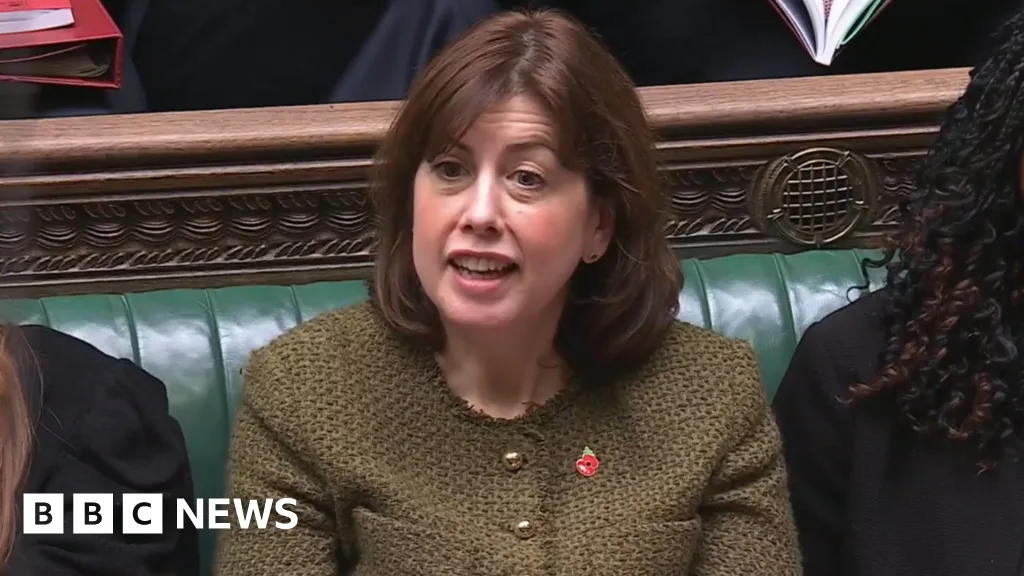
The UK government, through Education Secretary Lucy Powell, has officially announced a major reform of secondary school curriculum in England. Pupils aged 14–16 will now have greater freedom in choosing GCSE subjects, including options from creative and technical-vocational fields, without abandoning the core requirements of maths, English, and science. The policy is claimed as an effort to widen the paths to success for the younger generation, but it immediately drew criticism from the opposition, which sees it as an attempt to lower education standards.
In an interview with the BBC, Powell stressed that the previous curriculum was too narrow and rigid. She highlighted the sharp decline in interest in arts and vocational subjects over the years. “An increasingly narrow view of what counts as ‘good’ has left too many children behind and failed to equip them for the modern economy,” she said. Powell added that the reform aims to restore balance between mastery of basics and the development of pupils' interests and talents.
The new scheme requires pupils to choose at least two of four subject groups: humanities and social sciences, creative arts, technical-vocational learning, and languages. As a consequence, a pupil may drop history, geography, or a foreign language if they choose creative or vocational options. The change goes beyond last year's curriculum review recommendations, which were deemed not progressive enough.
Powell also acknowledged that adding new qualifications means reducing the share of some subjects, including science and geography, which she said were already “too packed”. She dismissed allegations that her government is lowering standards. “This is about raising standards in more subjects and giving young people more routes and choices to succeed,” she stressed. She even called herself a “tiger mum for the whole country” to underline her commitment to education quality.
“We have high persistent absence rates that haven't come down in 15 years. The disadvantage gap hasn't narrowed at all, and white working-class children are being left behind by an increasingly narrow view of what a good education is.” — Lucy Powell, UK Education Secretary
The opposition Conservative Party, through shadow home secretary Chris Philp, accused Powell of copying the steps taken by Wales and Scotland, which had previously loosened their curricula. “I worry she is trying to lower standards. Over the last 15 years, England has soared in international rankings thanks to Michael Gove's reforms. What happened in Scotland and Wales was the opposite, their rankings fell,” Philp said. He argued the change sacrifices core subjects such as maths, science, and languages.
The largest teachers' union, the National Education Union (NEU), welcomed the new direction. NEU General Secretary Daniel Kebede said an overloaded curriculum had triggered an “engagement crisis”. But he warned that cuts to teacher numbers and real-terms budgets would be a major obstacle. “Our system is standing still, the workforce is hugely overburdened, and of course we will be asked to deliver this new curriculum,” he told the BBC.
It should be noted that education is a devolved matter in the United Kingdom, so this change applies only to schools in England. Scotland, Wales, and Northern Ireland have their own curriculum policies. The reform is also part of the government's effort to reduce youth unemployment and boost post-16 participation in education.
The policy raises a fundamental question: will curriculum flexibility genuinely improve pupils' skills for the world of work, or will it widen regional disparities? In the Indonesian context, a similar debate emerged in the drafting of the Kurikulum Merdeka, which gives schools flexibility but is still constrained by teacher capacity and infrastructure. If England wants to succeed, empirical evidence and resource support are key. Without them, the reform will be nothing more than political jargon.