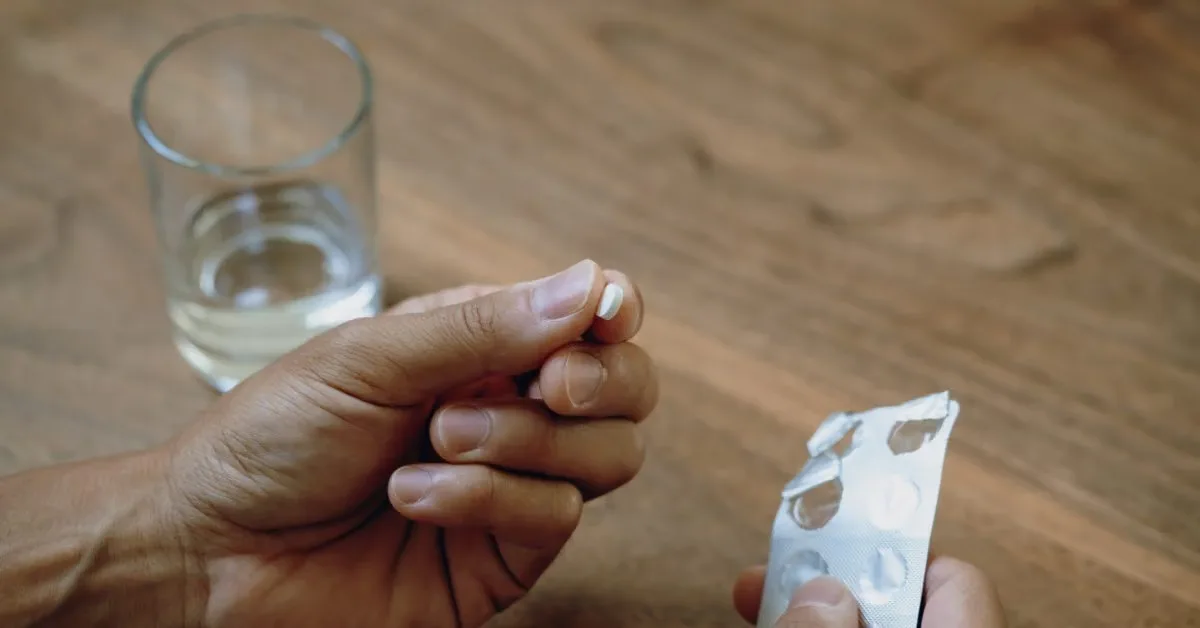
Psilocybin Shows New Hope for Anhedonia in Treatment-Resistant Depression
Baca dalam 60 detik
- Studi kecil di Journal of Affective Disorders menemukan psilosibin dosis 25 mg memperbaiki anhedonia secara signifikan setelah 8 minggu pada pasien depresi resisten pengobatan.
- Para ahli mengingatkan temuan ini masih sinyal awal karena sampel hanya 20 orang, sehingga memerlukan uji skala besar sebelum direkomendasikan sebagai terapi standar.
- Dukungan psikologis dinilai sebagai komponen krusial yang tidak terpisahkan dari terapi psilosibin, bukan sekadar pelengkap.
A randomized controlled clinical trial published in the Journal of Affective Disorders highlights the potential of psilocybin—a natural psychedelic compound found in certain mushrooms—in easing anhedonia, the symptom of loss of interest and pleasure experienced by about 70% of people with major depression. The study involved 20 participants with treatment-resistant depression who received a psilocybin dose of 1 mg or 25 mg along with psychological support. As a result, the high-dose group showed a far greater improvement in anhedonia at week 8, although there was no significant difference at week 1.
The finding matters because anhedonia is often stubborn against conventional antidepressant therapy. The researchers noted that psilocybin was well tolerated even when given alongside selective serotonin reuptake inhibitors (SSRIs), the most widely prescribed class of antidepressants. If confirmed in larger studies, this approach could reduce the need for patients to stop an ongoing treatment—a procedure that has so far been a major obstacle in psychedelic therapy.
However, experts not involved in the study offered critical notes. Alex Dimitriu, a double board-certified psychiatrist at Menlo Park Psychiatry & Sleep Medicine, judged the results mixed but promising and consistent with other psilocybin studies. Meanwhile, Jeff Ditzell, chief psychiatrist at Jeff Ditzell Psychiatry, called the improvement in anhedonia one of the most encouraging findings, but cautioned that the significant benefit only emerged at week 8, not at the primary endpoint of week 1. "With only 20 participants, I see this as a promising early signal that requires larger trials, not definitive proof that psilocybin specifically treats anhedonia," he said.
"We cannot separate how much of the improvement was due to psilocybin versus the psychological intervention, or the interaction of both. The results could be very different without psychological support," said Lisa George, a double board-certified psychiatrist and founder of Talk Tribeca Psychiatry in New York City.
Psychological support was indeed an inseparable element of the study protocol. Dimitriu stressed that psychological guidance is essential to ensure safety and minimize distress while the psychedelic effects peak, as well as to help patients integrate the experience into daily life. Ditzell added that this support helps patients prepare for intense emotional experiences and process what emerges during the session. Without such support, both the experience and the outcomes could be very different, although the study was not designed to measure its specific contribution.
From a psychiatric perspective, the ability of psilocybin to be combined with SSRIs is seen as a step forward. Ditzell explained that this opens the possibility that patients need not stop the antidepressants they already take in order to receive psilocybin-assisted therapy. "If larger studies confirm these findings, treatment could become more accessible and not disrupt ongoing care," he said. However, he also warned that "feasible does not mean proven safe or equally effective for everyone. This is a small pilot study, so I see it as a reason for further research—not a green light to combine psilocybin with antidepressants outside close supervision."
The sample limitation was a major focus. George emphasized that with only 20 participants—11 receiving the 25 mg dose and 9 receiving 1 mg—the response of a few individuals could substantially influence the results. "We cannot confidently generalize these findings, nor can we adequately assess the risks," she said. Still, she remained cautiously optimistic. "What excites me most about psychedelic research is that we are exploring different approaches to treating depression. Existing drugs can be very effective, but they do not work for everyone. Although we cannot draw definitive conclusions, these findings are encouraging—we can hope cautiously."
In Indonesia, discussion of psychedelic therapy is still at an early stage. Strict regulation of psychoactive substances and limited clinical research mean that the development of psilocybin-based therapy faces its own challenges. Yet for patients with treatment-resistant depression in the country, these findings at least offer a glimmer of hope that new approaches are being tested globally. The question is whether Indonesia will begin to open similar research space to address the needs of patients who have not been helped by conventional therapy.