Burnham and Influencers: UK PM's Social Media Strategy Sparks Debate on Accountability
Baca dalam 60 detik
- Perdana Menteri Inggris Andy Burnham mendapat kritik setelah video influencer Max Balegde di Downing Street dianggap tidak pantas, memicu perdebatan tentang batas komunikasi politik modern.
- Burnham dikenal paling agresif menggunakan TikTok, Instagram, dan podcast untuk menjangkau pemilih muda, tetapi metode ini dianggap mengorbankan pengawasan jurnalistik tradisional.
- Para pengamat menilai keseimbangan antara keterjangkauan dan akuntabilitas menjadi kunci; tanpa pengawasan ketat, demokrasi berisiko kehilangan fungsi kontrolnya.
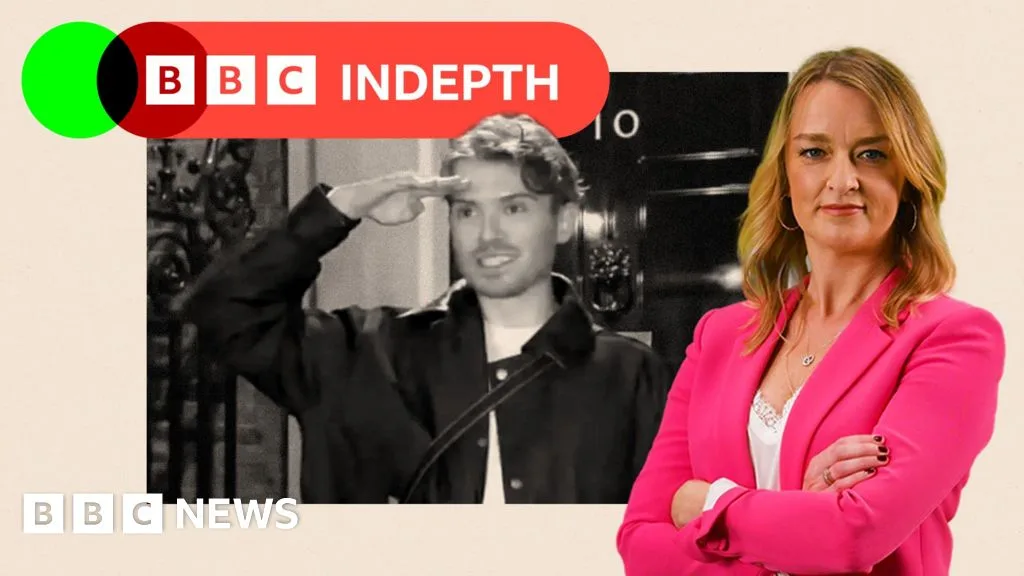
UK Prime Minister Andy Burnham is back in the spotlight after a video posted by social media influencer Max Balegde from an event at Downing Street sparked controversy. The video, which was later deleted, contained comments the PM's office deemed inappropriate, and raised questions about how far Burnham's digital communication strategy should go.
Criticism came from political opponents and some media outlets, which accused Burnham of avoiding close scrutiny from traditional journalists. They argued the PM prefers appearing on platforms such as TikTok, Instagram, and popular podcasts to attract young voters, rather than facing tough interviews or routine press conferences. However, his supporters argue this approach is a necessity in an era of media fragmentation, where millions of citizens no longer consume mainstream news.
History shows that British prime ministers have often sought unconventional ways to reach the public. Margaret Thatcher once called in to Jimmy Young's radio show, Tony Blair appeared on Richard and Judy's sofa, and David Cameron answered questions from reality show celebrities for Heat magazine. What sets Burnham apart is the scale and consistency: he dedicates more time and political energy to digital platforms than his predecessors, including sites such as Ladbible and the How to Fail podcast.
A senior Westminster editor judged that the incident showed a lack of screening of invited influencers. "Clearly the Burnham team did not check the influencers' backgrounds enough. No one wants a fuss over offensive material to become the headline, when the intention was simply to look cool and appeal to young people," the editor said. Meanwhile, a prominent content creator regretted that the list of invited influencers did not include independent journalists with large followings who might be more critical. "Is it because they would be more likely to demand accountability?" the creator asked.
The debate highlights a fundamental difference between influencers and journalists. Influencers often agree to conditions journalists would not accept, such as not recording themselves or submitting questions in advance. As a result, unchecked access can harm the public. A senior political journalist stressed, "The duty to scrutinize power is a serious responsibility. It requires independence, experience, and the courage to ask difficult questions. The ability to reach an audience does not replace the ability to hold those in power to account."
On the other hand, a former press secretary to an influential politician suggested traditional media need to reflect. "We are stuck in a dead end where politicians do not say what they think and blur their answers into emptiness, while our political discourse waits for them to say something that is not that. We need to reach a point where public debate about difficult choices actually happens, with politicians daring to take risks," the former press secretary said.
The PM's office insists that Burnham is not avoiding traditional scrutiny, pointing to five broadcast interviews, two press conferences, and three pool clips in the past two weeks, as well as 113 parliamentary questions. However, a senior media executive warned that the PM "risks looking as though he is avoiding scrutiny by professional journalists in the middle of a national crisis when the public is struggling with choking bills."
Despite the controversy, Burnham's communication strategy appears to have shifted Labour's position in the polls, and he has no intention of changing course. However, the incident is a reminder that not all content is created equal. A senior Westminster editor concluded, "Unless he is scrutinized, he will make mistakes and the government will go off course. This is about ensuring our democracy functions and is held in check. So go ahead and do influencers, reach all of us, but make sure you do more than just dance at Downing Street."
For Indonesia, this phenomenon is relevant given that more and more politicians and officials are using social media to build their image. The challenge is to ensure that reach does not come at the expense of transparency and accountability. The public needs to be critical of strategically produced political content, and mainstream media are expected to remain effective guardians of democracy.