UK DWP Digital Services Down, Millions of Benefit and Pension Recipients Affected
Baca dalam 60 detik
- Sistem online Department for Work and Pensions (DWP) Inggris tidak dapat diakses akibat insiden siber, membuat jutaan klaim manfaat dan pensiun terganggu.
- Pemerintah menyatakan tidak ada bukti kebocoran data pribadi, namun belum dapat memastikan apakah serangan siber disengaja atau gangguan teknis.
- Sejumlah penerima manfaat mengeluh pembayaran belum masuk dan khawatir sanksi akibat tidak dapat mengisi jurnal pencarian kerja online.
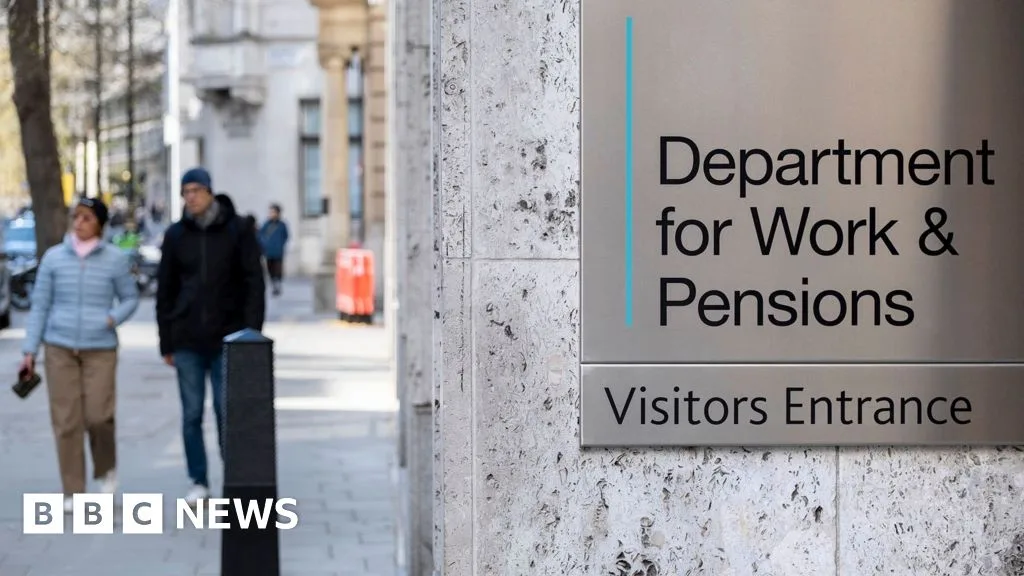
Millions of people in the UK have lost access to digital benefit and pension services after the Department for Work and Pensions (DWP) reported a cyber incident that crippled its online systems. As of Friday afternoon local time, portals for Universal Credit, Personal Independence Payment (PIP) applications, pension services, and the 'Tell Us Once' system—used to report deaths—were inaccessible.
The government, through the Prime Minister's office, said it could not yet rule out a hacking attempt but stressed that "for now there is no evidence" that users' personal data had been lost. The DWP took the preventive step of shutting down digital services temporarily while assuring that routine benefit and pension payments would continue.
Nevertheless, several recipients said the payments they rely on had not yet arrived. Samantha Reah, a single mother of four from Cardiff, told the BBC she was missing £1,600 she was due to receive that day. "I only have enough money in my account for food shopping. I'm panicking—this weekend is going to be long and stressful," she said.
Similar complaints came from Georgina Howarth, 30, from Plymouth. She had to borrow money from her mother to buy food after her Universal Credit payment failed to arrive. "I've been calling them every hour since 8 am. They say they can't access the system," Howarth said.
Beyond payments, recipients were also unable to fill in the online journal required to prove they are actively looking for work. Gemma Barnes from St Neots, Cambridgeshire, worried her payment would be cut because she could not meet that obligation. "I've been trying to access the Universal Credit site all day and since last night, but I can't get in. With Christmas coming, I really need that money," she said.
In a statement, the DWP said it was working hard to restore online services as quickly as possible and to minimize disruption. A DWP spokesperson also reminded the public never to give out bank details or click on suspicious links in any message.
This is not the first incident to hit UK government digital infrastructure. In April 2025, the Legal Aid Agency was reported to have been hacked, with access to a significant amount of personal data dating back decades. Previously, several government websites were also disrupted by a security flaw in the globally used PHP programming language.
The DWP disruption comes amid warnings that artificial intelligence (AI) technology could amplify the risk of cyber attacks. Earlier this month, the NCSC released a report urging organizations to strengthen their defenses against increasingly sophisticated hackers. NCSC CEO Richard Horne even spoke of a "real prospect of an unprecedented surge in cyber incidents".
Some observers say the incident highlights the vulnerability of a heavily digitized welfare system. Reliance on online platforms leaves vulnerable groups—such as older people, people with disabilities, and low-income families—most affected when services go down. The government is being urged not only to focus on technical recovery but also to prepare emergency procedures so payments reach recipients without bureaucratic hurdles.
As of publication, there was no official word on when DWP services would return to normal. The public is advised to monitor official information channels and contact benefit phone lines if they experience payment problems. Going forward, the public will be watching whether this incident accelerates investment in cybersecurity across UK public services—or instead triggers a major revision of welfare digitalization policy.