UK Retailers Allegedly Dumped Faulty Goods in Ghana, E-Waste Rules Questioned
Baca dalam 60 detik
- Penyelidikan Unearthed dan Greenpeace Africa menemukan peralatan listrik rusak dari jaringan ritel Inggris menumpuk di Agbogbloshie, Ghana.
- Tesco dan Argos membuka audit internal setelah barang bermerek mereka ditemukan di lokasi pembuangan limbah elektronik terbesar di Afrika Barat itu.
- Praktik ini memicu pertanyaan tentang celah regulasi ekspor limbah elektronik dan tanggung jawab produsen dalam rantai pasok global.
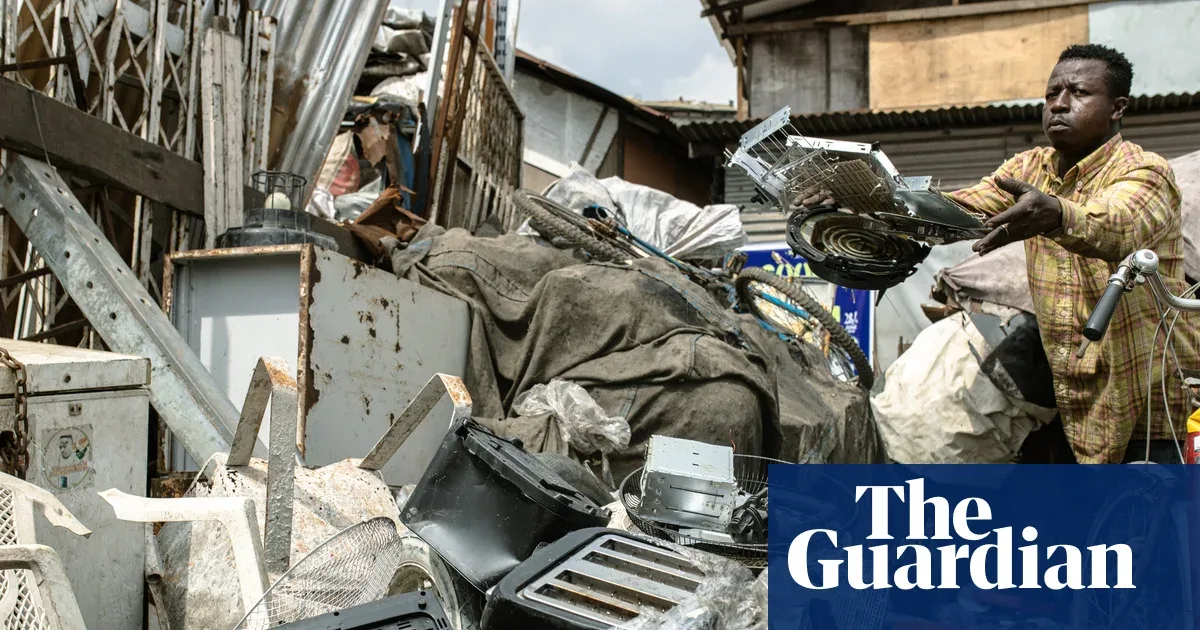
Household appliances returned as faulty to several major UK retail chains, including Tesco, Argos, and Asda, were found piled up at the Agbogbloshie e-waste dump site in Accra, Ghana. The findings were revealed by a joint investigation by Unearthed and Greenpeace Africa, and immediately raised serious questions about the effectiveness of rules governing electronic waste exports from developed countries to Africa.
Agbogbloshie has for years been known as one of the largest electronic waste dumps in the world. There, piles of household goods are burned and dismantled by workers without protective equipment such as gloves or masks. The investigation found toasters, slow cookers, and food processors from leading UK brands at the site. Most of the items still bore return labels marking them as "untested return."
Exporting faulty electrical goods to Africa is in fact prohibited under UK waste rules in almost all circumstances. However, the findings show that the path from store shelves to the dump in Ghana can remain open through gaps in the returns management chain. According to the investigation, goods returned to stores as faulty are often not automatically classified as waste. The items can enter the liquidation market, be sold in bulk at prices far below retail, and then be bought by intermediary traders who extract as much value as possible—including by exporting them.
Mark Sayers, an electronic waste expert, highlighted the ambiguity of the legal status of returned goods. He said that a consumer's statement at a supermarket that an item does not work does not necessarily mean the item has technically been declared waste. This is the gap exploited by some parties to channel faulty goods into the global market without meeting the proper waste management obligations.
"Ghana is not a dumping ground for broken equipment or failed retail returns from the UK. Sending non-functioning kitchen equipment abroad under the guise of 'reuse' or 'trade in used goods' shifts the financial, environmental, and health costs of overconsumption onto Ghanaian communities and workers," said Joshua Awuku-Apaw, a Ghanaian environmental consultant, as quoted by Unearthed.
Jim Puckett, founder of the Basel Action Network, an organization campaigning to stop e-waste exports to poor countries, judged that treating untested returned goods as anything other than waste is a "huge loophole." According to him, such goods should be considered waste until proven otherwise, especially if they are traded through auctions and shipped around the world.
UK authorities through the Environment Agency stressed that illegal waste exports are a serious crime. They stated they have introduced new controls requiring exports of waste electrical and electronic equipment to be notified and approved before leaving the country. The agency also claims to use intelligence to intercept suspicious shipments and dismantle syndicates behind illegal waste exports. However, the findings in Ghana show that oversight still faces major challenges on the ground.
On the corporate side, Tesco expressed deep concern and immediately suspended a third-party electronic waste management provider while conducting a thorough audit. Argos said it was reviewing the information provided and would take further action to ensure compliance. Asda referred to a statement by the British Retail Consortium (BRC), which said the report was deeply disturbing and stressed the need for greater investment in UK recycling infrastructure so that more electronic waste can be handled safely at home.
Dr Doug Parr, chief scientist at Greenpeace UK, judged the practice to be a shameful form of "remote dumping," not a genuine circular economy. He highlighted that toxic waste from the goods seeps into the environment and poisons communities around the dump site.
For Indonesia, this case is an important mirror. As a country that also receives flows of used electronic goods from various countries, Indonesia faces a similar risk: goods claimed to be for "reuse" often end up as waste that pollutes the environment and endangers the health of informal workers. Regulations on used goods imports and domestic electronic waste management need to be strengthened, including ensuring that trade cooperation does not become an entry point for unusable waste. The lesson from Agbogbloshie confirms that without strict oversight and supply chain transparency, circular economy commitments will only be rhetoric on paper.
Going forward, the question is whether the audits promised by UK retailers will genuinely change the way returned goods are managed, or merely be a temporary response before old practices recur. What is clear is that public pressure and media scrutiny will continue to test whether manufacturers and retailers in developed countries can bear full responsibility for the waste they generate—rather than simply dumping it on another part of the world.