Frank and Tiny Tim, the Giant Australian Steers That Escaped the Slaughterhouse
Baca dalam 60 detik
- Dua sapi jantan Holstein Friesian di Tasmania dan Australia Barat mencapai tinggi 192 cm, nyaris menyamai rekor sapi tertinggi dunia.
- Keduanya diselamatkan dari rumah potong dan kini menjadi maskot lokal yang menarik perhatian publik.
- Kisah Frank dan Tiny Tim membuka diskusi soal perlakuan terhadap pedet jantan di industri susu.
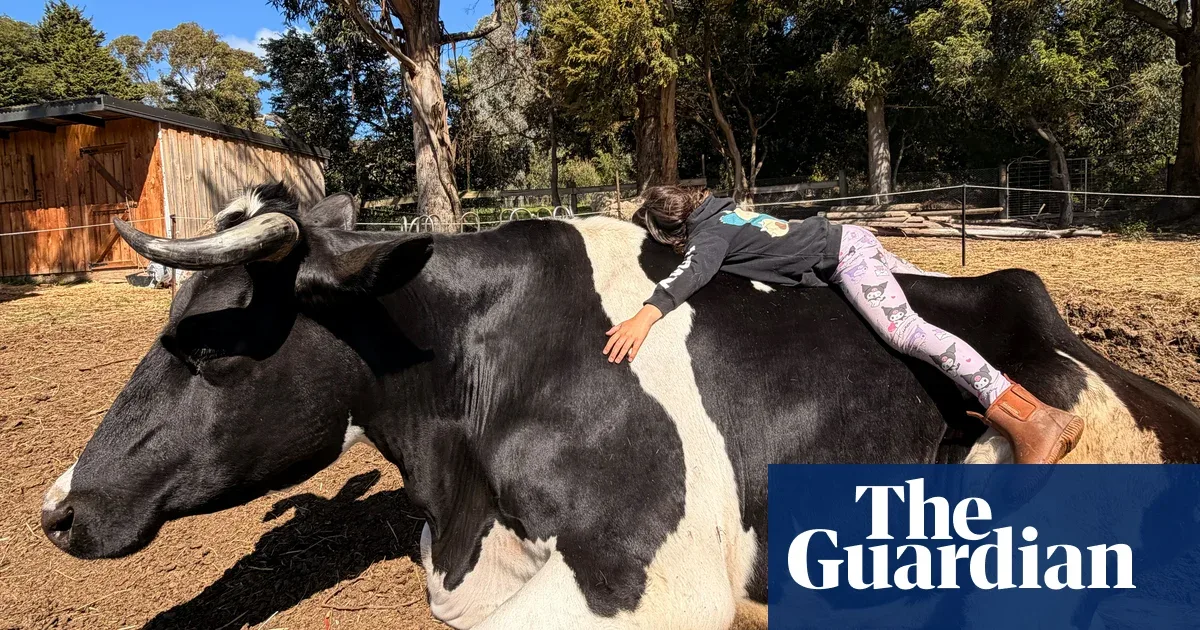
Two Holstein Friesian steers in Australia—Frank in Tasmania and Tiny Tim in Western Australia—stand 192 centimeters at the shoulder, just a few centimeters short of the world's tallest cow. Neither is the product of genetic engineering or special feed; both are cattle that escaped slaughter at a young age and were allowed to grow to their full size.
Frank, now six years old, was rescued from a dairy farm in northern Tasmania by Krystal Camilleri, founder of Companion Cows, a cow adoption agency. Like many male calves in the dairy industry, Frank was originally slated for slaughter because he was not productive for milk. Camilleri cares for him on pasture in southern Tasmania, and her veterinarian calls Frank the largest cow he has ever seen.
Meanwhile, some 2,900 kilometers away in Western Australia, farmer Eric Walmsley has raised Tiny Tim since he was a day old. The eight-year-old steer is too big to fit into a slaughterhouse, so Walmsley decided to keep him as a pet. He weighs around 1,400 kilograms—twice the weight of the other Friesians in his pen. “He's grown rapidly in the last two years,” Walmsley said.
The two occupy a prestigious position following the death of Knickers, a 194-cm-tall Holstein Friesian that went viral a few years ago. Camilleri stresses that no special treatment made Frank so big. “There is nothing unique about these cows. They were simply allowed to grow to their potential,” she said. Yet the giant size carries an irony: Frank is expected to live only until age 10 because of the strain on his joints and organs.
“He loves cuddles, falls asleep in my lap, and snores like a dog,” Camilleri said of Frank.
The story of these two cows is not merely a natural marvel. Camilleri hopes Frank's popularity can highlight the fate of male calves in the dairy industry, which are often treated as production waste and slaughtered early. In many countries, including Australia, male calves from dairy cows have no economic value and are often sold cheaply or slaughtered before they reach adulthood. Frank and Tiny Tim are exceptions that prove male cattle can also grow large and live decently if given the chance.
For Indonesia, this phenomenon is relevant to discussions about animal welfare and farming efficiency. Although the national dairy industry is still dominated by imported dairy cows, consumer awareness of where products come from continues to rise. The story of Frank and Tiny Tim can serve as a mirror showing that rescuing animals is not only a moral matter but also part of food supply chain transparency.
Going forward, public attention on these two giant cows may fade. But a more fundamental question remains: how many other Franks and Tiny Tims never get the chance to grow big? The answer depends not only on farmers but also on industry standards and consumer preferences.