Hackers Hijack 1,000 Bitcoin Rigs via BGP, Losses Reach Rp265 Million
Baca dalam 60 detik
- Braiins melaporkan serangan BGP yang membajak koneksi lebih dari 1.000 lokasi penambangan bitcoin di Eropa dan Amerika Selatan pada 20 November.
- Dengan memalsukan rute internet, peretas mengalihkan hasil tambang ke akunnya sendiri tanpa perlu meretas perangkat keras.
- Insiden ini mengekspos kelemahan protokol Stratum V1 dan praktik routing yang tidak memeriksa RPKI, mendesak migrasi ke Stratum V2.
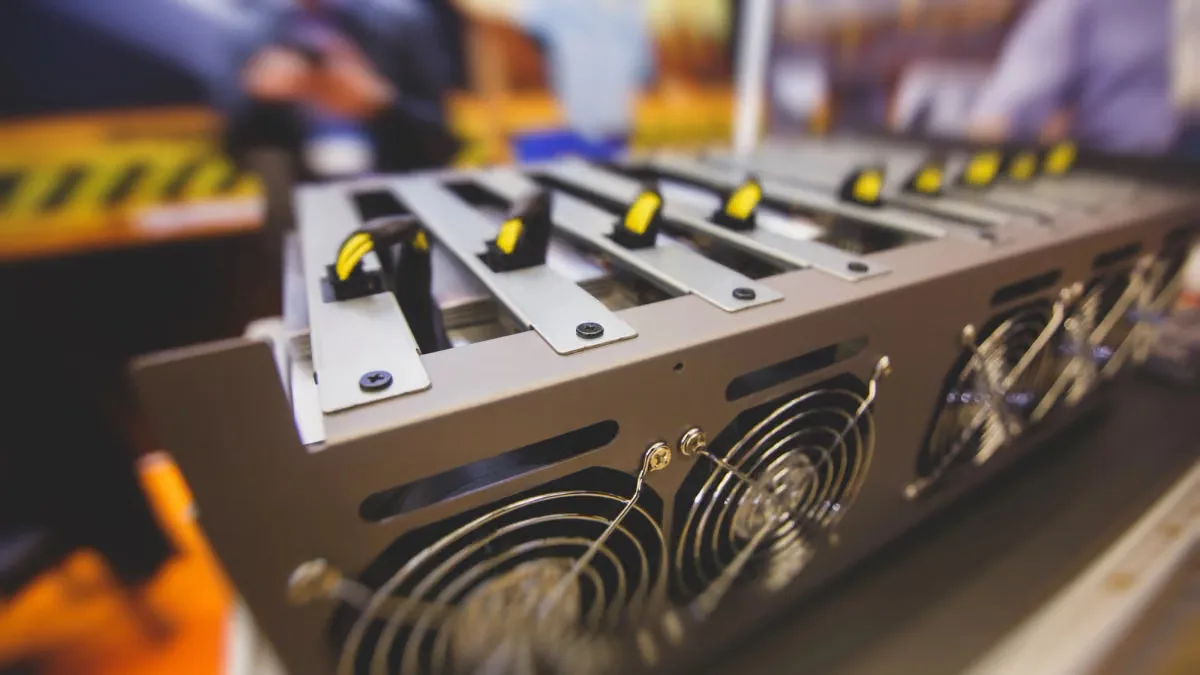
A cyberattack exploiting a flaw in the internet routing system hijacked the connections of more than a thousand bitcoin mining locations across Europe and South America within seconds. Czech mining firmware company Braiins, in its forensic report, disclosed that the November 20 incident caused miners to lose their connection to their pool simultaneously, while traffic was redirected to fake servers controlled by the attacker.
The attack did not touch the hardware directly. According to Braiins, the perpetrators forged Border Gateway Protocol (BGP) route announcements to take over the IP addresses of the mining pool. BGP is the system internet service providers use to tell one another which network owns a given address. By announcing a more specific address block—256 addresses within the pool's 4,096-address block—routers automatically directed traffic to the route deemed most precise. As a result, mining machines connected to the wrong server even though they used the correct hostname and IP address.
Braiins noted that the attack began on a small scale in early November, at less than 175 petahash per second (PH/s), then swelled to 1.9 exahash per second (EH/s) at its peak. That figure is equivalent to roughly one out of every 550 guesses made by the entire bitcoin network, based on the weekly average of 1,040 EH/s reported by mempool.space. Although the proportion is relatively small, the impact was felt by miners whose margins are already under pressure.
The attackers' modus operandi was sophisticated yet simple. The fake server accepted all usernames and passwords, then handed out mining tasks copied from another large public pool. The work of the victim machines was then sent to the real pool using the attacker's account, so payments flowed into the perpetrators' pockets. Braiins did not detail the total bitcoin stolen, but CoinDesk's calculation assuming the highest hashrate and the longest duration of each attack wave estimated the affected value at less than US$17,000.
What made the attack hard to detect was that the perpetrators also listed the legitimate address owner as the origin in the fake BGP announcement. Monitoring tools that would normally flag route changes raised no alarms. Only networks implementing Resource Public Key Infrastructure (RPKI)—a system that lets address owners sign who is authorized to announce their addresses—managed to reject the fake routes. Unfortunately, according to Braiins, many network providers still do not check RPKI.
"With an encrypted connection, the attacker gets no bitcoin at all," Braiins wrote in the report, referring to the solution they recommend.
Braiins urged miners to switch to Stratum V2, the latest version of the communication protocol between mining machines and pools that offers encryption and server identity verification. If that is not yet possible, they recommend using encrypted Stratum V1 with firmware that checks certificates. The Stratum V1 protocol itself is more than a decade old and remains the industry standard, sending data in plain text without a server authentication mechanism.
The attack comes amid pressure already felt by the bitcoin mining industry. The bitcoin price is around US$59,000, while network difficulty is expected to rise about 9% over the next two days. A difficulty increase means miners must deploy more computing power to earn the same reward, so any loss of hash rate—however small—directly erodes revenue.
For Indonesia, the incident is a reminder that the national internet infrastructure is also vulnerable to BGP attacks if route validation is not strictly enforced. Domestic crypto mining industry players, some of whom use international pools, need to ensure their connections are protected by encryption and that service providers implement secure routing practices. Without that, the hard work of thousands of machines can change hands because of a single fake route announcement.
Going forward, the question is no longer whether similar attacks will recur, but how quickly Stratum V2 and RPKI adoption proceeds across the ecosystem. As long as outdated protocols and unvalidated routing remain the norm, the same gap will stay open to anyone skilled enough to forge an identity in cyberspace.