Badenoch Vs Burnham: The Tug of War Over EU Students' Tuition Fees in the UK
Baca dalam 60 detik
- Kemi Badenoch menekan PM Andy Burnham soal siapa yang akan menanggung selisih biaya jika mahasiswa UE mendapat tarif kuliah domestik.
- Burnham menegaskan negosiasi biaya kuliah adalah kesepakatan terpisah dan posisi UE tidak akan masuk ke meja perundingan.
- Kesepakatan besar Inggris-UE tetap berjalan, tetapi sektor pendidikan tinggi waspada terhadap potensi kerugian ratusan juta poundsterling.
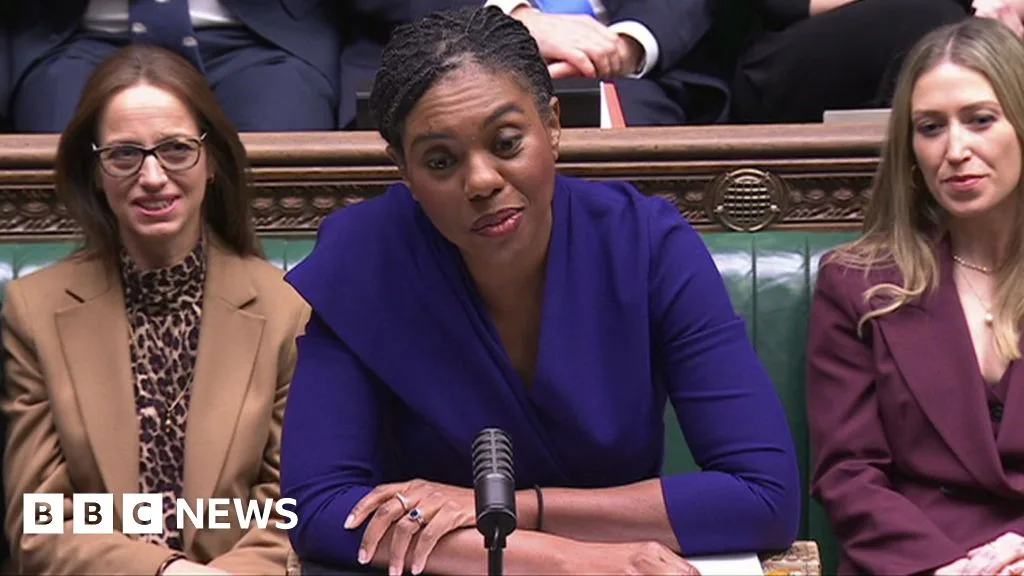
The debate over tuition fees for European Union students in the UK is heating up in parliament. Conservative Party leader Kemi Badenoch posed a pointed question to Prime Minister Andy Burnham: who will bear the financial burden if EU students are allowed to pay tuition fees on par with domestic students? The question comes amid concerns that a post-post-Brexit deal could carry serious fiscal consequences for universities and taxpayers.
Burnham, during Prime Minister's Questions, stressed that the tuition fee issue is a "separate deal" still under discussion. He declined to commit to closing the door on lower rates for EU students, arguing that the proposal is a "European negotiating position" that may not become a final agreement. "It is not on the table. And it will not be put on the table," he said, as quoted by the BBC.
The deal reached at the UK-EU summit last week covered food exports, emissions trading, and a youth travel scheme. In a joint statement, both sides agreed to work toward an additional agreement on tuition fees for EU students in the UK and UK students in the EU, with a target of completion within six months. However, EU sources had earlier signaled that the bloc might delay implementing the broader deal until an understanding on tuition fees is reached.
Currently, EU students at UK universities generally pay the same fees as international students, ranging from £11,400 to £38,000 per year. Meanwhile, domestic UK undergraduate students have a tuition fee cap of £9,790 per year. If EU students are allowed to pay domestic rates, universities warn of potential losses of hundreds of millions of pounds each year—a heavy blow at a time when the higher education sector is grappling with financial pressure.
Badenoch, in her question, highlighted the fiscal dilemma: "Is it underfunded universities or taxpayers who will bear it?" Burnham responded by stating that the tuition fee deal is not final and the government will consider the challenges facing higher education. However, he declined to give an explicit guarantee that EU students will not receive domestic rates, with the PM's official spokesperson saying they would not preempt the outcome of ongoing talks.
For Indonesia, this development mirrors how developed countries are becoming more cautious in managing the impact of student migration on public budgets. The UK is one of the main destinations for Indonesian students, with around 3,000 new students each year. If the tuition fee policy changes, the UK's appeal to international students—including those from Indonesia—could be reduced, while higher costs are already a barrier. On the other hand, UK universities that rely on international student revenue may seek alternative markets, including Indonesia, to maintain financial sustainability.
"We will continue discussions with the European Union on the tuition fee question," Burnham said, stressing that negotiations remain open.
The remaining question: will the UK maintain its position to protect universities and taxpayers, or will EU pressure force a compromise that changes the landscape of higher education? Over the next six months, this decision will not only determine the direction of post-Brexit relations but also the future of cross-border access to education.