UK MP Targeted by Pornographic Deepfake, Warns of Threat to Women in Politics
Baca dalam 60 detik
- Mims Davies, politisi Partai Konservatif, melaporkan penyalahgunaan wajahnya dalam konten pornografi buatan AI ke polisi dan otoritas parlemen.
- Regulator Ofcom tengah menyelidiki platform X dan mengancam denda hingga 10% pendapatan global bagi perusahaan yang lalai.
- Kasus ini memicu kekhawatiran bahwa perempuan akan semakin enggan terjun ke dunia politik karena risiko kekerasan berbasis gender online.
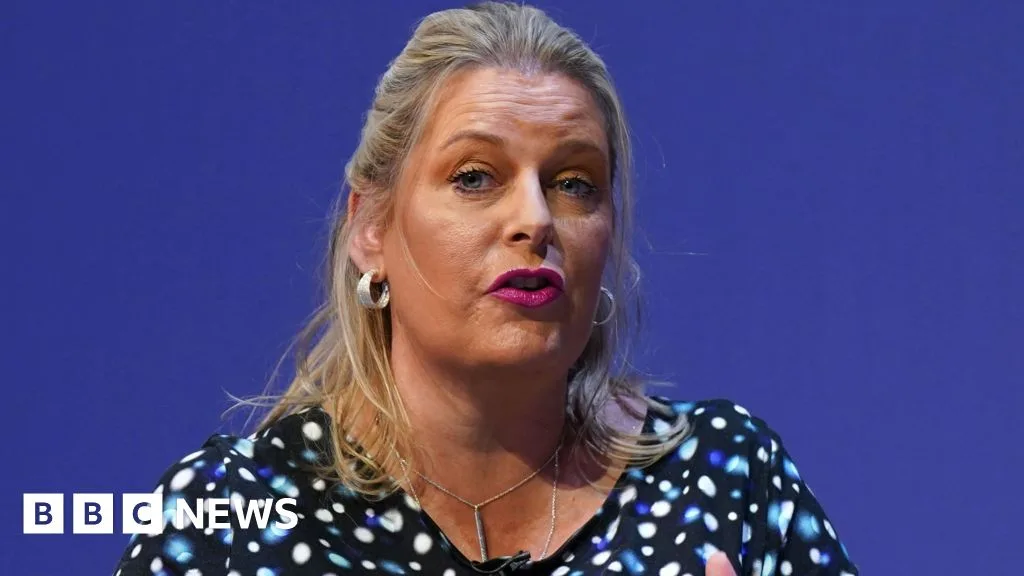
A British member of parliament, Mims Davies, has revealed that her name and face were misused in pornographic content generated by artificial intelligence (AI), or deepfake. She received an email in her parliamentary inbox notifying her that her image had been found on forums with obscene content. The incident is a severe blow to efforts to encourage women's participation in public life, and highlights regulatory gaps in addressing gender-based digital violence.
Davies, who serves as Shadow Minister for Wales from the Conservative Party, called the practice a serious and unacceptable violation. She stressed that those who profit from deepfakes deserve to be prosecuted. "It is absolutely outrageous, a violation and an outrage," she told BBC Radio Wales Breakfast. She chose to waive her right to anonymity to urge law enforcement to provide greater resources to hunt down the perpetrators.
A deepfake is a video, image, or audio manipulation using AI so that it appears real. In the UK, sharing or threatening to share someone's intimate photos or videos without consent—including through deepfakes—is a criminal offense. Nevertheless, enforcement remains a challenge because the technology is cross-border and anonymous.
This is not the first case to hit Davies. She previously said she was drugged on a night out in 2019. Now, she believes digital attacks on women in politics can create a deterrent effect. "This could happen to any woman. It could be anyone in politics, business, or on the street," she said. According to her, the impact is felt not only personally by the victim but also by family, and it creates anxiety when interacting in public spaces.
"We need more women at every level of public life, from councillors to Westminster and the Senedd. This is hard, but these voices must remain," Davies stressed.
Davies's office confirmed that a report had been filed with the Metropolitan Police and parliamentary authorities. Meanwhile, Ofcom said it had taken significant steps to address the misuse of intimate images but acknowledged that much remains to be done. An Ofcom spokesperson stressed that the Online Safety Act requires technology companies to assess and mitigate the risk of users encountering illegal content, and to remove it quickly. "We have set clear expectations, including the use of automated technology to tackle illegal intimate images, and we will act if there is evidence that companies fail," the spokesperson said.
Although regulations exist, implementation on the ground remains a work in progress. Ofcom is investigating X over the alleged misuse of Grok, and has given platforms an ultimatum to eradicate sexual deepfake content. The threat of multibillion-dollar fines is an instrument to force compliance. However, the big question is: can law enforcement keep pace with the speed of AI innovation that is increasingly cheap and easy to access?
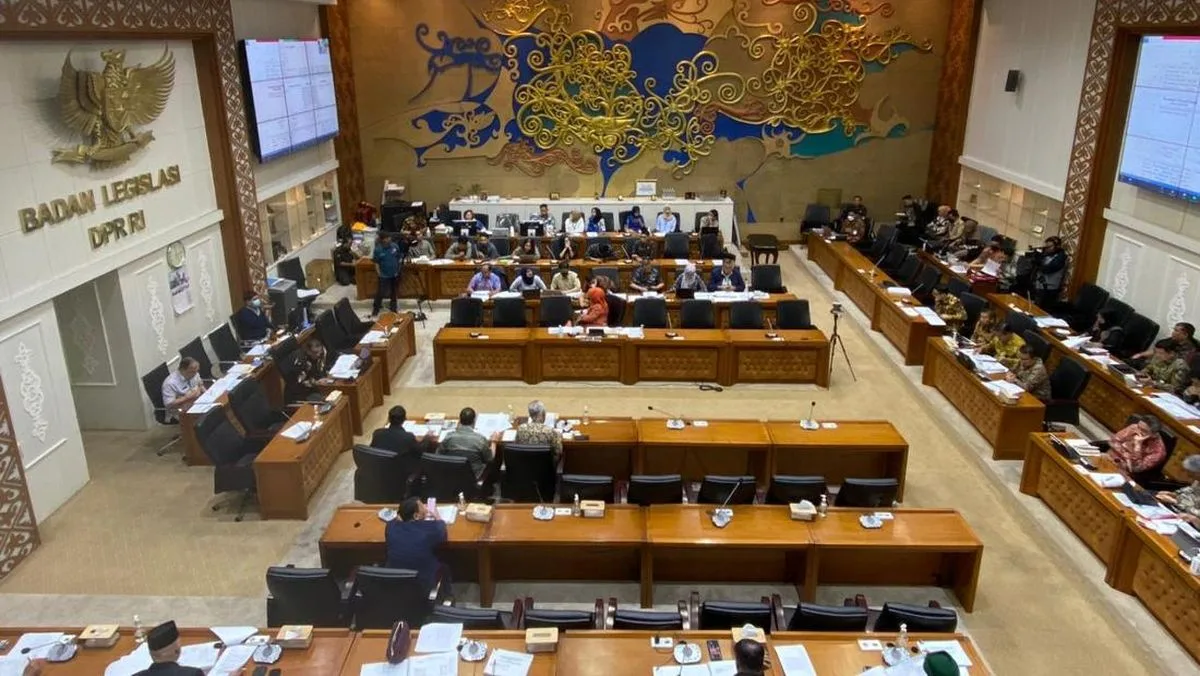
For Indonesia, this case is a mirror. The country has the ITE Law and the PDP Law that regulate illegal content, but pornographic deepfakes have not become an enforcement priority. Commission I of the DPR and the Ministry of Communication and Information need to accelerate digital literacy and prepare a rapid reporting mechanism. Without that, Indonesian women active in politics or public life risk suffering a similar fate. Existing regulations must be tested, whether they are sharp enough to ensnare perpetrators and protect victims.
Going forward, the resolution of the Davies case will be a test of the effectiveness of the UK's Online Safety Act. If the perpetrators are not caught, public trust in digital protection will collapse. Conversely, if law enforcement succeeds, it could become a global precedent. Will AI technology that should advance civilization instead become a tool to silence women's voices? The answer depends on the courage of regulators and law enforcers around the world.