Bitcoin Plunges, Veteran Crypto Investors Start to Throw in the Towel: 'This Time It's Really Different'
Baca dalam 60 detik
- Harga Bitcoin anjlok di bawah US$58.000 setelah data inflasi AS kembali memanas dan aksi jual di saham teknologi menekan pasar.
- Galaxy Digital mencabut proyeksi bahwa bear market kripto berakhir, sementara trader memperbanyak posisi short untuk mengantisipasi penurunan lebih dalam.
- Kekhawatiran baru muncul: ancaman AI dan komputasi kuantum terhadap keamanan blockchain membuat pemulihan berkelanjutan kian sulit dibayangkan.
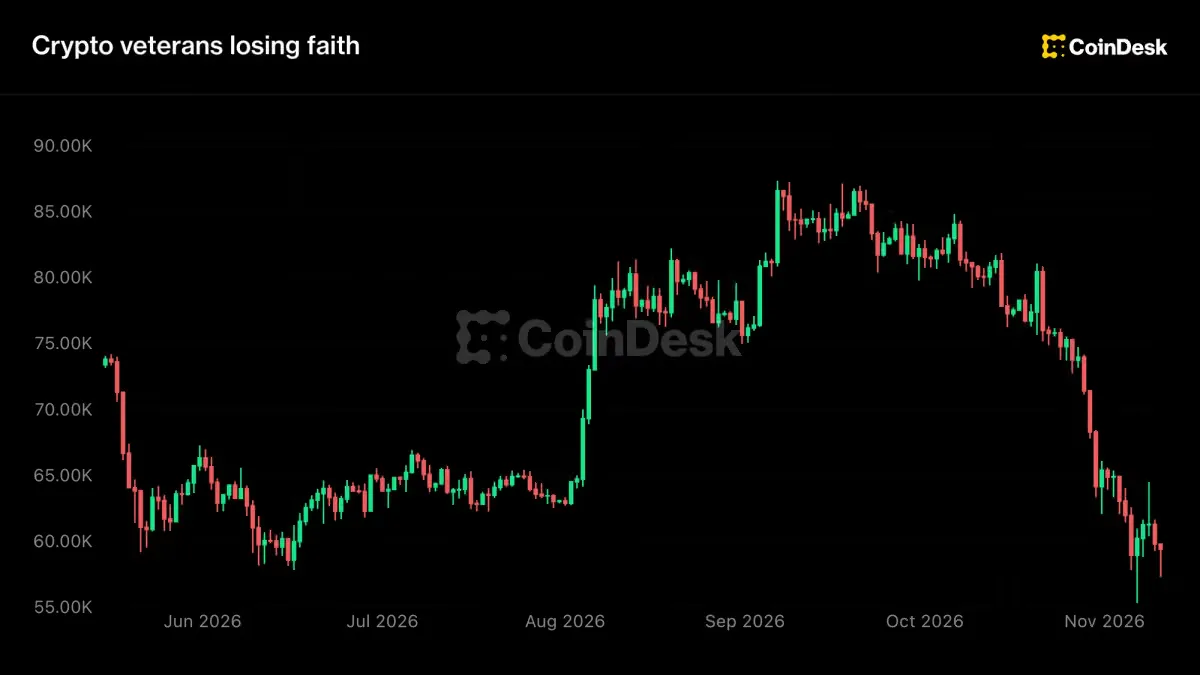
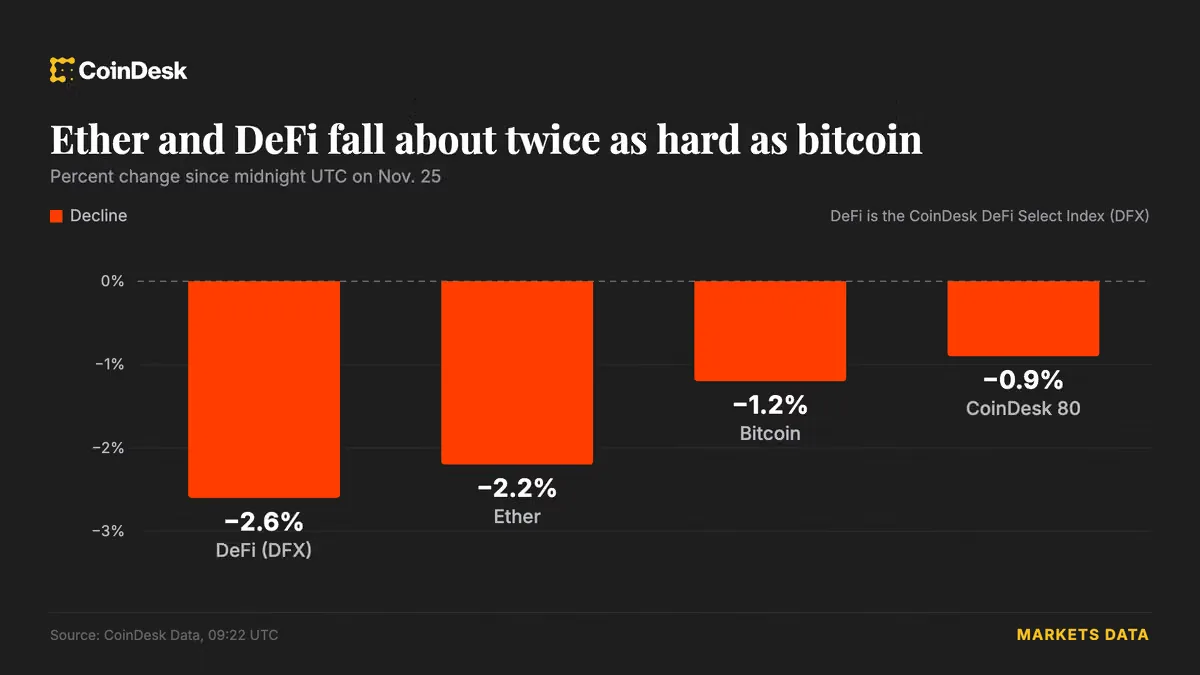
The price of Bitcoin (BTC) slid back below US$58,000 on Wednesday, marking a new round of selling pressure driven by a combination of a sell-off in technology stocks and hotter-than-expected US inflation data. The intraday low briefly touched US$57,300 before edging into the US$59,000 range, bringing the largest cryptocurrency close to last weekend's low of US$55,100.
The shock was not confined to the crypto market. The Nasdaq 100 fell 4.2% and the S&P 500 lost 2.8% in early trading, though both managed to trim some losses in the afternoon. The brief recovery that had been triggered by Jensen Huang's return as Nvidia CEO on Monday has now nearly evaporated entirely. For crypto investors, the signal is clear: the era of cheap liquidity has not returned, and macro pressure still dictates the direction of prices.
Core PCE inflation data that again exceeded expectations is said to complicate the Federal Reserve's position ahead of 2027. Matt Mena, senior crypto research strategist at 21Shares, said Bitcoin briefly fell an additional 1% right after the data release. He sees the US$53,000 level—close to Bitcoin's realized price—as the next line of defense. If that level is breached on a sustained basis, US$48,500 becomes an open scenario.
Selling pressure is also reflected in trader behavior. Paul Howard, senior director at trading firm Wincent, said market participants were piling into short positions in perpetual futures as a hedge against further declines. He also highlighted reports of new US tariffs and potential selling pressure from the end-of-month MSCI index rebalancing linked to Strategy, a Bitcoin treasury company. "I expect the current momentum to keep weighing on major assets," he said.
Fund rotation is becoming more visible. Investors appear to be parking money in the US dollar, government bonds, and other "safe" corners of the stock market. Chris Sullivan, co-portfolio manager at Hyperion Decimus, pointed to a strengthening dollar index (DXY) and demand for long-dated Treasury bonds, while short-term debt came under pressure. Inflows into Treasury bills over the past week were at the highest 20% of observations, according to Mark Connors, chief investment strategist at Risk Dimensions. At the same time, interest in small-cap stocks and broad-market equity funds remains strong, but flows into Nasdaq 100 futures have weakened.
Within the crypto ecosystem, Connors sees the wave of Bitcoin ETF redemptions as reflecting the unwinding of futures-based carry trades rather than bullish action. The big picture: investors are building cash reserves, reducing leverage, and rotating away from technology and crypto—without fully abandoning risk assets.
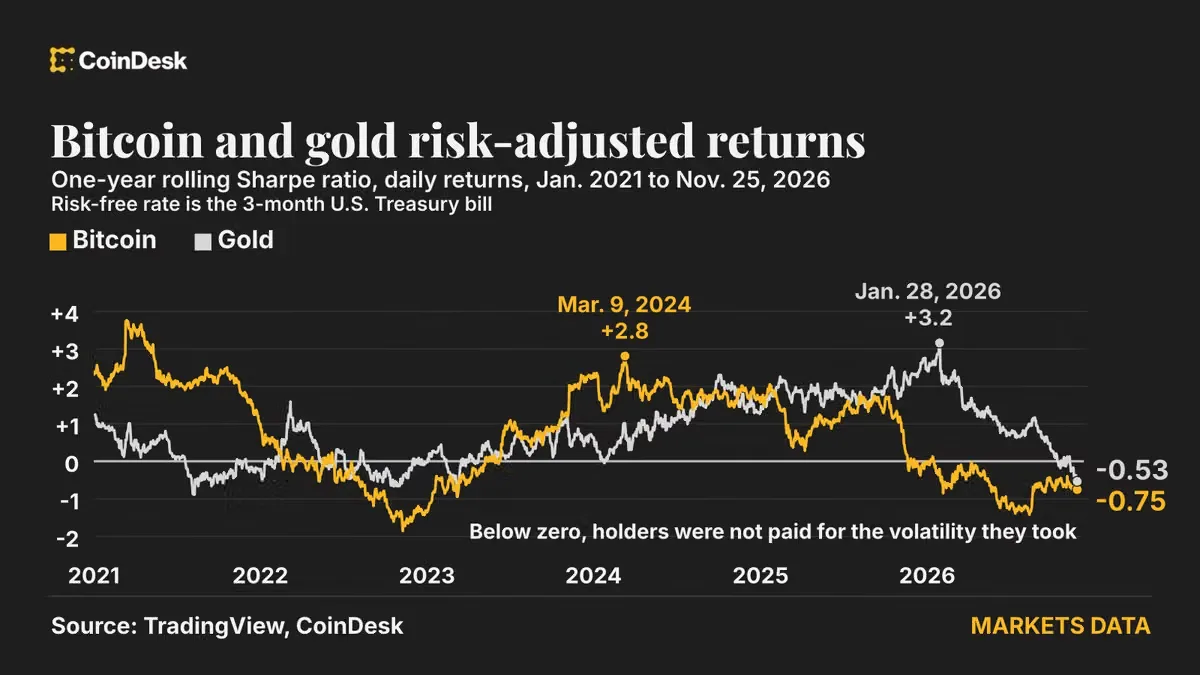
The most striking signal came from Galaxy. The firm's head of research, Alex Thorn, withdrew an October projection that said Bitcoin's bear market ended in June. The initial thesis rested on Bitcoin's success in reclaiming the 50-week moving average, a level that had marked the end of previous bear markets. In reality, after seven weekly closes above that average, the price fell back, lost the 200-week moving average, and broke through the summer's intraday low. "Previously, no such reclaim was followed by a new low," Galaxy wrote in its note.
Galaxy now views a daily close below US$58,525—the June 30 closing low—as a signal that a much lower bottom may be waiting. In the seven previous bear market episodes, when Bitcoin broke a low that had held for at least 60 days after a rebound of 20% or more, the price eventually fell at least another 17%. Applied to the June low, the projection points to around US$48,500. "The clock says this bear market is overdue to end, but the depth says there is still room to fall," the Galaxy note said.
Even so, not everyone has given up on a rebound. Mena of 21Shares still sees a path to US$72,000–80,000 before year-end if inflation eases. However, this time extreme pessimism does not appear to be immediately triggering bargain hunting. Even crypto veterans are voicing concerns that go beyond stock and Fed factors. José Maria Macedo, co-founder of Delphi Digital, said he has been in crypto since 2017 and has never seen sentiment as bad as it is now. "In other cycles, this is when I start buying, but this time it really does look different," he said.
Macedo expressed concern that advances in artificial intelligence could open gaps in smart contracts, multi-signature wallets, and the cryptography underpinning blockchains. Even without a proven attack, fear of increasingly capable AI systems could hold investors back. "It's hard to imagine a sustained recovery while there is still major uncertainty over whether crypto security can withstand increasingly capable AI," he said. He expects the next 12–24 months to be very tough, but networks that survive and harden could become the world's safest place to store money.
Joshua Lim, global co-head of markets at FalconX, voiced similar concerns. He highlighted reports of progress in breaking encryption, the persistent risk of quantum computing, and questions about Bitcoin's long-term security. "Crypto has historically been a haven when traditional financial markets wobble, but that thesis is now blurred," Lim said.
For Indonesian investors, this pressure is a test of its own. Based on Bappebti data, the number of domestic crypto asset investors has surpassed 20 million accounts, with Bitcoin still the main asset. The global slump could weigh on trading volume on local crypto exchanges, though on the other hand it could prompt some investors to use the rupiah's weakness as a reason to add exposure to digital dollars. The Financial Services Authority (OJK), which now oversees crypto assets under POJK 27/2024, faces a dual challenge: protecting retail investors from extreme volatility while preserving market innovation.
Looking ahead, the market's attention is on two things: the direction of US inflation and whether the US$53,000 level can hold. If not, the US$48,500 scenario will be the biggest psychological test for the crypto market since 2022. The question is no longer whether the bear market will end, but how deep the hole will be before the real bottom forms.