Burnham Opens the Path to Nuclear Truth: Independent Panel for Cold War Veterans
Baca dalam 60 detik
- Perdana Menteri Inggris Andy Burnham resmi membentuk panel independen guna menyelidiki dampak kesehatan program uji nuklir era Perang Dingin.
- Panel dipimpin James Jones, mengadopsi model investigasi bencana Hillsborough, dengan tenggat laporan Oktober 2027.
- Veteran dan keluarga menuntut pertanggungjawaban negara atas paparan radiasi yang diduga menyebabkan kanker dan gangguan fertilitas lintas generasi.
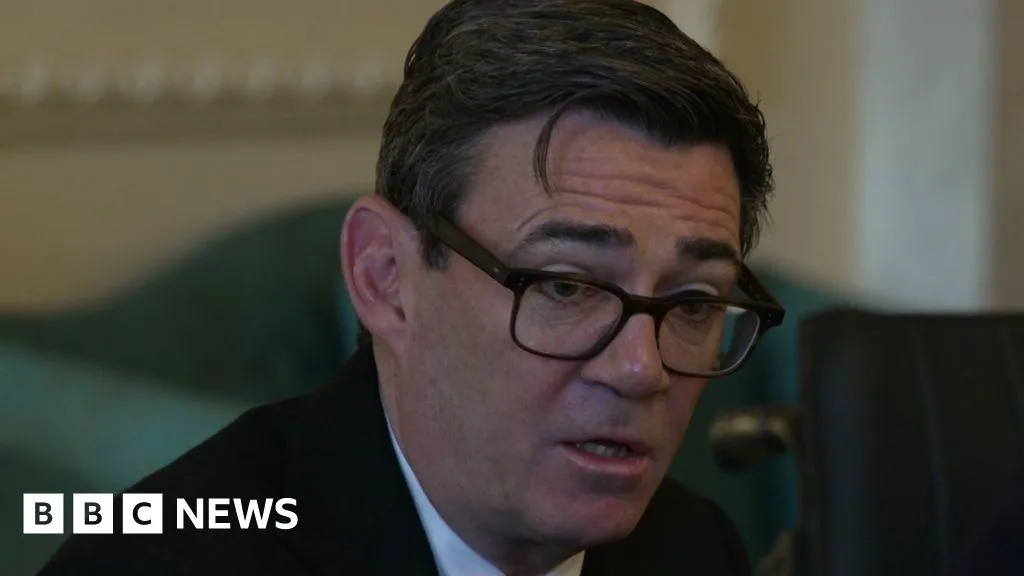
After decades of unanswered appeals, around 22,000 British nuclear test veterans have finally received some relief. Prime Minister Andy Burnham on Tuesday announced the formation of an independent panel to investigate the health legacy of Cold War-era atomic weapons operations, a step campaigners have called a historic breakthrough.
The panel will be chaired by James Jones, the former Bishop of Liverpool who also chaired the Hillsborough Independent Panel—the inquiry into the 1989 stadium tragedy that became the benchmark for public investigations in the UK. Downing Street aims for the final report to be completed in October 2027, coinciding with the 75th anniversary of Britain's first nuclear weapons test.
The decision comes 14 years after the veterans' legal efforts failed at the UK Supreme Court. For decades, the Ministry of Defence (MoD) insisted there was no concealment of the radiation effects on personnel deployed to Australia and the South Pacific in the 1950s and 1960s. Yet testimony after testimony from survivors—from skin cancer and miscarriages to children born with complex disabilities—has continued to shape a counter-narrative that is hard to refute.
Before veterans and families at Downing Street, Burnham said the government would handle the process with "the utmost seriousness" and promised a gold-standard investigation. "I don't know what the full truth is, but we will get it," he said, as quoted by BBC Newsnight. The statement echoed in a room filled with elderly faces—those still alive, and those representing a generation that has passed.
"Seventy-two years ago I was 18, sent to Christmas Island, with no idea what I would face. Today I am seeking justice," said John Morris, a former laundry operator at the nuclear test site who later suffered cancer and lost his son at four months old.
Morris's story is not unique. Brian Unthank, who witnessed three hydrogen bomb explosions in the Pacific without protective gear, later developed several skin cancers. He demands an official apology from parliament before the 75th year of their "suffering." Barbara Quick, the daughter of an RAF Police member on Christmas Island, was never able to have children and blames her father's radiation exposure. Meanwhile Steve Purse, who was born with complex disabilities due to his father's exposure, called the announcement a "historic moment" because it is the first time the state has listened.
Defence Minister Wes Streeting acknowledged low public trust in the MoD. He stressed that his department would not be involved in forming the panel or determining the scope of the investigation—a crucial assurance given the MoD's record of being seen as slow and secretive. Streeting also expressed confidence that the panel's findings would be "uncomfortable" and that the government must accept them. However, he declined to comment on potential compensation before the report is completed.
For Indonesia, this case offers a lesson on state accountability for the long-term effects of military operations. Although Indonesia has no nuclear testing program, the issue of radiation exposure and hazardous waste in areas of former military exercises or strategic installations often goes unnoticed. The principles of health data transparency and independent panel involvement can serve as a reference for policies protecting veterans and communities around operational zones in the country.
The most crucial part of this announcement is not merely the formation of the panel, but its deadline and the independence of its members. With the report due to be published on the 75th anniversary of the first nuclear test, the British public awaits whether the promise of "the full truth" will lead to an official apology, compensation, or merely a thick document without follow-up. As Streeting said, "This has gone on too long." The ball is now in the Jones panel's court—and ultimately, on Burnham's desk.