AI Could Turn Company Data Into a New Asset Class on Wall Street
Baca dalam 60 detik
- Mantan kepala riset Point72, Kirk McKeown, menilai data transaksi perusahaan dapat menjadi sumber pendapatan berulang dan bahkan dijadikan jaminan pembiayaan.
- Carbon Arc, perusahaan yang ia pimpin, mengelola sekitar 600 set data dan memungkinkan investor mengakses wawasan spesifik lewat agen AI dengan biaya lebih murah.
- Meski menjanjikan, valuasi data yang belum standar serta aturan privasi dan kepemilikan menjadi penghalang utama sebelum pasar ini terbentuk.
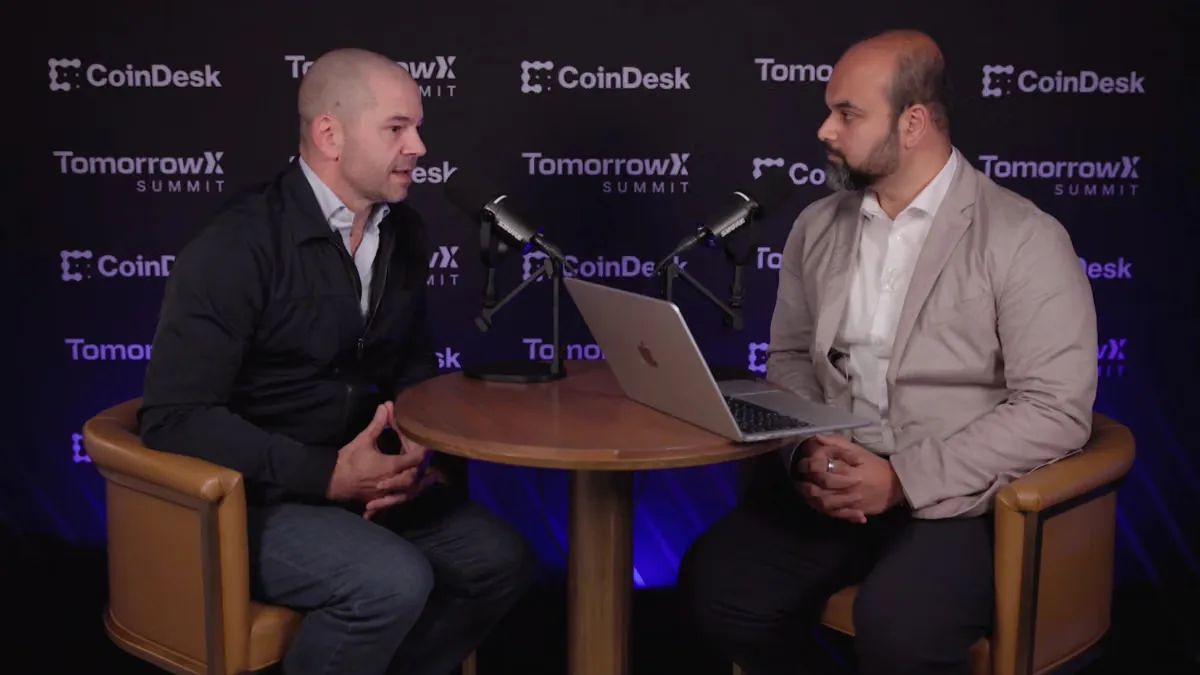
Kirk McKeown, former head of proprietary research at Steve Cohen's hedge fund Point72, predicts that the artificial intelligence (AI) wave will give rise to a new asset class on Wall Street: data. In an interview with CoinDesk, he said companies could sell the data they generate from day-to-day operations, earn recurring revenue, and one day use that revenue as the basis for various financial deals.
For more than eight years leading Point72's market intelligence operation, McKeown was used to spending millions of dollars to buy alternative data—from credit card transactions to consumer spending patterns—that rarely showed up in company financial reports. The goal was to detect shifts in business performance before they were reflected in official earnings. But the cost of accessing and analyzing such data was very high, requiring teams of analysts, engineers, and researchers.
Now, as CEO of alternative data company Carbon Arc, McKeown wants to change that model. Carbon Arc collects transaction data from various businesses, including credit card spending, retail sales, and health claims, then organizes it for use by investors and AI tools. Its platform is claimed to hold around 600 datasets. Customers do not need to buy an entire dataset; they can use AI agents to ask specific questions about a company's performance and pay only for the data consumed. The data providers receive a share of that revenue.
According to McKeown, AI not only lowers research costs but also speeds up the process of generating insights. Investors can obtain specific information without having to buy and analyze an entire dataset. But there is another consequence: as more investors access the same information, the competitive edge that was once expensive can fade. He cited credit card data, which began to gain popularity among hedge funds around 2012. Back then, the data was a source of unique insight; now it is a routine part of investment research. The edge has shifted from mere access to the ability to ask the right questions and interpret the results.
McKeown's vision goes beyond investment research. He imagines companies turning the data they generate from payments, invoices, and customer activity into a steady revenue stream. This opens the door to financing secured by future data sales, similar to other productive assets. "Data is an asset. Today data is an economically productive asset," he said.
"There is a new capital market forming, which is data structures," McKeown said.
Even so, the road to such a market remains steep. Data has no standard valuation method, while privacy laws, ownership rights, and compliance requirements make it difficult to sell data or use it as collateral. McKeown stressed that clearer rules are needed before a data market can take shape. Without a well-established regulatory framework, data's potential as an asset class remains constrained.
For Indonesia, this development is worth watching. The country's digital economy is growing rapidly, producing a wealth of transaction data from e-commerce platforms, digital wallets, and financial services. However, the use of data as a productive asset is still hampered by the absence of comprehensive regulation on data ownership and valuation, as well as strict privacy protection. If the legal framework is improved, Indonesian companies have the opportunity to turn data into a new revenue source while attracting global investors looking for asset alternatives.
Going forward, the question is no longer whether data will become an asset, but how quickly the supporting ecosystem—from valuation standards to trading infrastructure—takes shape. Wall Street may be the pioneer, but developing countries like Indonesia can learn from it so as not to be mere spectators in this transformation.