Australia Raises Interest Rate to 18-Year High, Indonesia Watches for Spillover Effects
Baca dalam 60 detik
- Bank Sentral Australia menaikkan suku bunga acuan 25 basis poin menjadi 4,85%, tertinggi sejak November 2008, untuk mengekang inflasi yang masih di atas target.
- Keputusan diambil secara terbelah, 6 anggota mendukung kenaikan dan 3 memilih tahan, sementara proyeksi inflasi diperpanjang hingga akhir 2027.
- Langkah Australia yang menyimpang dari tren global ini berpotensi menekan nilai tukar dan memperketat kondisi keuangan di kawasan Asia-Pasifik, termasuk Indonesia.
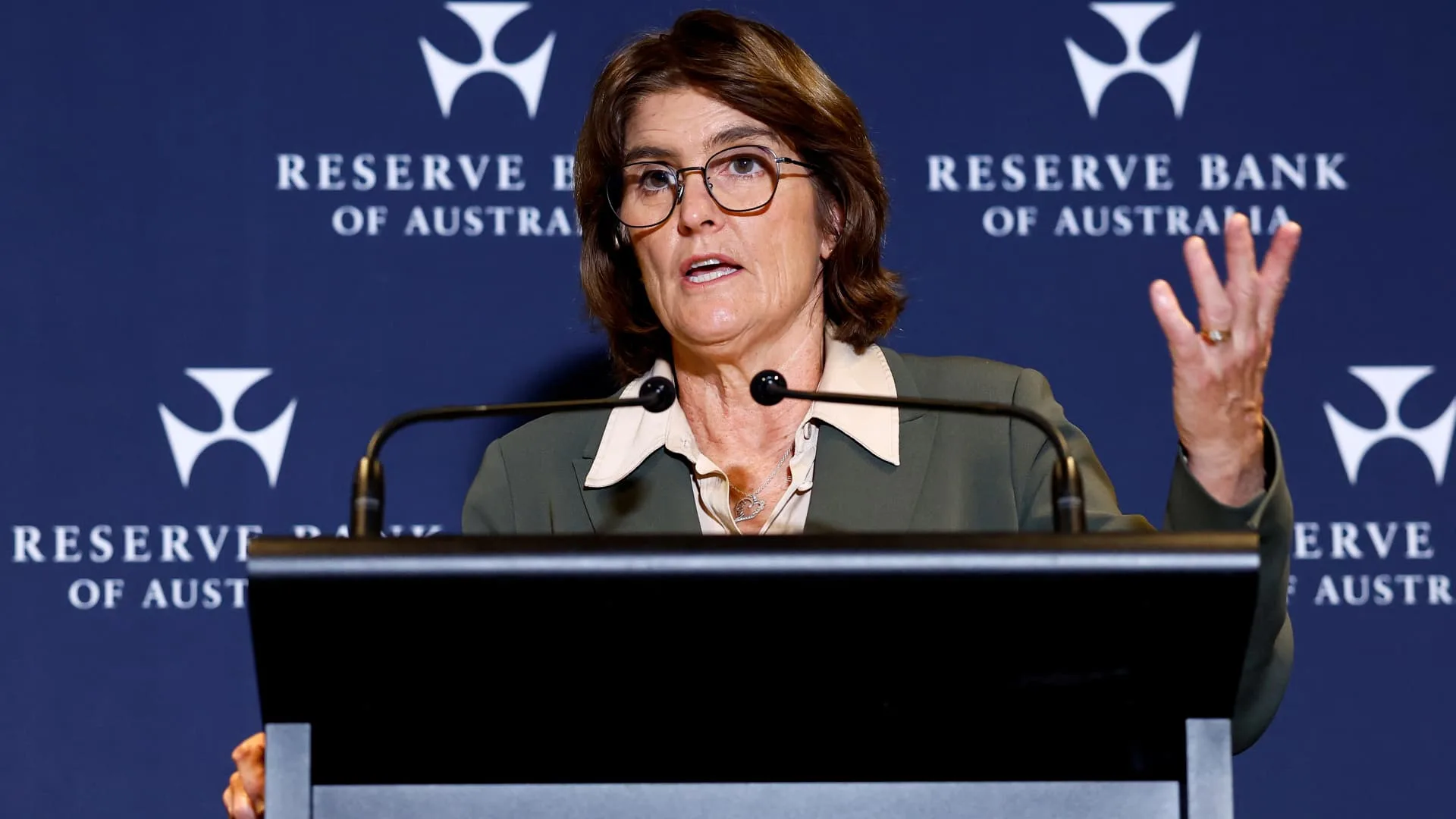
The Reserve Bank of Australia (RBA) raised its benchmark interest rate by 25 basis points to 4.85% on Tuesday, the highest level since November 2008. The hike is the fifth this year and confirms Australia's position as an outlier among the world's major central banks, which have tended to ease policy.
The decision was taken through a split vote: six members of the board of governors supported the hike, while three wanted the rate held. Nevertheless, the outcome was in line with the expectations of economists surveyed by Reuters. For the market, the signal from the RBA is clear: the war against inflation is not over.
The latest data show Australia's Consumer Price Index (CPI) rose 4.3% in September, higher than 4% in August and the highest level since March. The RBA also revised its inflation forecast, expecting the figure to remain high through most of 2027 and to return to the 2%-3% target range only at the end of 2027—three quarters later than previously expected.
RBA Governor Michele Bullock said in an earlier statement that inflation remained "too high" due to the surge in world oil prices caused by the war in Iran and strong domestic spending. "We are seeing signs that the upside risks to inflation are materializing," she said, adding that further hikes would be made "if that is what is needed to bring inflation down."
Notably, the RBA explicitly cited artificial intelligence (AI)-related investment as one of the drivers of rising prices for technology goods. This marks the first time a digital technology factor has entered Australia's monetary policy considerations, reflecting how the global AI wave is beginning to seep into goods and services inflation.
On the other hand, the Australian economy is starting to slow. Gross domestic product (GDP) growth in the June 2026 quarter was only 2.1% year-on-year, down from 2.5% in the previous quarter. More expensive borrowing costs and cost-of-living pressures are beginning to weigh on households and economic activity. The RBA is now in a difficult position: containing inflation without pushing the economy into recession.
Indonesian Context
Indonesia should pay close attention to Australia's rate hike. As a major trading partner and regional neighbor, Australia's hawkish monetary policy could affect capital flows and exchange rates in Asia-Pacific. When Australian interest rates rise, asset yields there become more attractive, potentially drawing foreign funds out of emerging markets, including Indonesia. Bank Indonesia (BI) may need to consider anticipatory measures to maintain rupiah stability and domestic inflation, especially if external pressure continues.
In addition, the inflation in technology goods caused by AI investment cited by the RBA could be a signal for Indonesia to watch for rising prices of digital devices and related components in the domestic market. Although the impact is not yet significant, coordination between BI and the government in managing inflation expectations remains crucial.
"Australia's rate hike reflects that the war against inflation is not over, and central banks in the region need to prepare for the possibility of further tightening," said a regional economic analyst who did not wish to be named.
Going forward, the market will watch whether the RBA actually raises rates again at its next meeting, given Bullock's signal that it is ready to act more aggressively. For Indonesia, Australia's move is a reminder that global uncertainty remains high and domestic monetary policy must remain adaptive. Will the rate-hike trend spread to other countries in the region, or will Australia instead be forced to reverse course if its economy deteriorates?