Williams Vows No Repeat of 2026 'Disaster', Vowles: We Have Data We Didn't Have Before
Baca dalam 60 detik
- Williams mengakhiri musim 2026 di peringkat sembilan dengan 12 poin, jauh dari posisi kelima pada tahun sebelumnya.
- Kepala tim James Vowles mengakui kesalahan musim dingin dan menyebut perekrutan Piers Thynne sebagai langkah perbaikan sistem kerja.
- Sasis FW48 yang sempat kelebihan bobot 28 kg akan menjadi basis untuk 2027, dengan fokus pada efisiensi regulasi biaya.
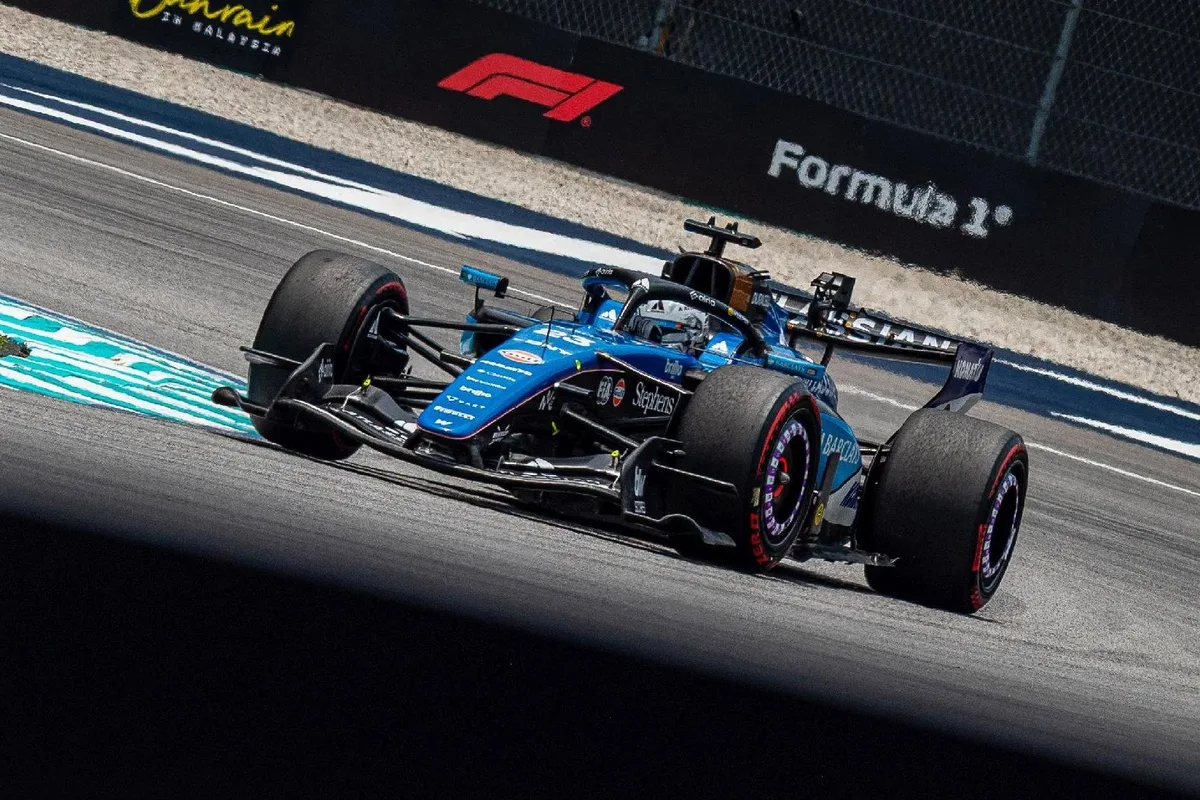
Williams had to accept a bitter reality in the 2026 Formula 1 season. After finishing fifth in the constructors' standings the previous year, the historic team slumped to ninth with only 12 points. Now, team principal James Vowles promises that a similar disaster will not happen again in the 2027 season.
Vowles did not deny that the poor start to the season stemmed from internal mistakes. Williams missed the pre-season shakedown session in Barcelona, and the FW48 car they brought to the track was initially 28 kilograms overweight. It took the team more than six months to reach the minimum weight, which was only achieved after introducing a new chassis at the Azerbaijan Grand Prix in late September.
“I acknowledge the mistakes we made this winter,” Vowles said in an interview in Malaysia. The statement underlined that the main problem was not merely technical limitations, but also poorly managed regulatory transition.
To avoid a repeat, Williams has changed a number of software systems and working methods. The recruitment of Piers Thynne—son of Sheridan Thynne, Williams' commercial director in the 1980s—has been key. Thynne spent nearly 20 years at McLaren, from gearbox specialist to becoming chief operating officer in 2023. Vowles called him "tremendous help" in overhauling the decision-making process.
“We are confident we will not experience a disaster like this winter. We now have information we did not have a year ago, which allows us to make better decisions,” Vowles said.
Even so, Vowles remains cautious. He stressed that development in the wind tunnel and other systems can only be assessed after the first race of 2027. “You won't know until the car hits the track,” he added.
In Azerbaijan, Carlos Sainz briefly offered hope by qualifying ninth—Williams' best result of the season—and scoring their first point since the Monaco GP. However, Vowles admitted that the aerodynamic performance gains were still insufficient. The team chose to divert most of its cost-cap budget to preparing elements needed for next season, with the consequence of losing potential in the wind tunnel.
“The chassis will be carried over to next year. Much of that work is a long-term investment. We haven't added enough aerodynamic performance, and that was too late this season,” he explained.
Williams' decision to shift focus to 2027 reflects a long-term strategy amid cost-regulation pressure. With an existing chassis, the development burden is not as heavy as this year. But the question remains: will the changes in systems and personnel be enough to lift Williams out of its slump, or will they instead widen the gap with the top teams? Only the track can answer.