Leclerc Exposes Bahrain Chaos: A Warning Sign for 2026 F1 Engine Regulations
Baca dalam 60 detik
- Insiden kehilangan tenaga massal di Bahrain memicu kekhawatiran pembalap terhadap regulasi power unit 2026.
- FIA menyebut bug perangkat lunak sebagai penyebab, tetapi pembalap menilai masalahnya lebih struktural.
- Leclerc menegaskan tidak ada solusi cepat karena akar masalah berasal dari keputusan regulasi lama.

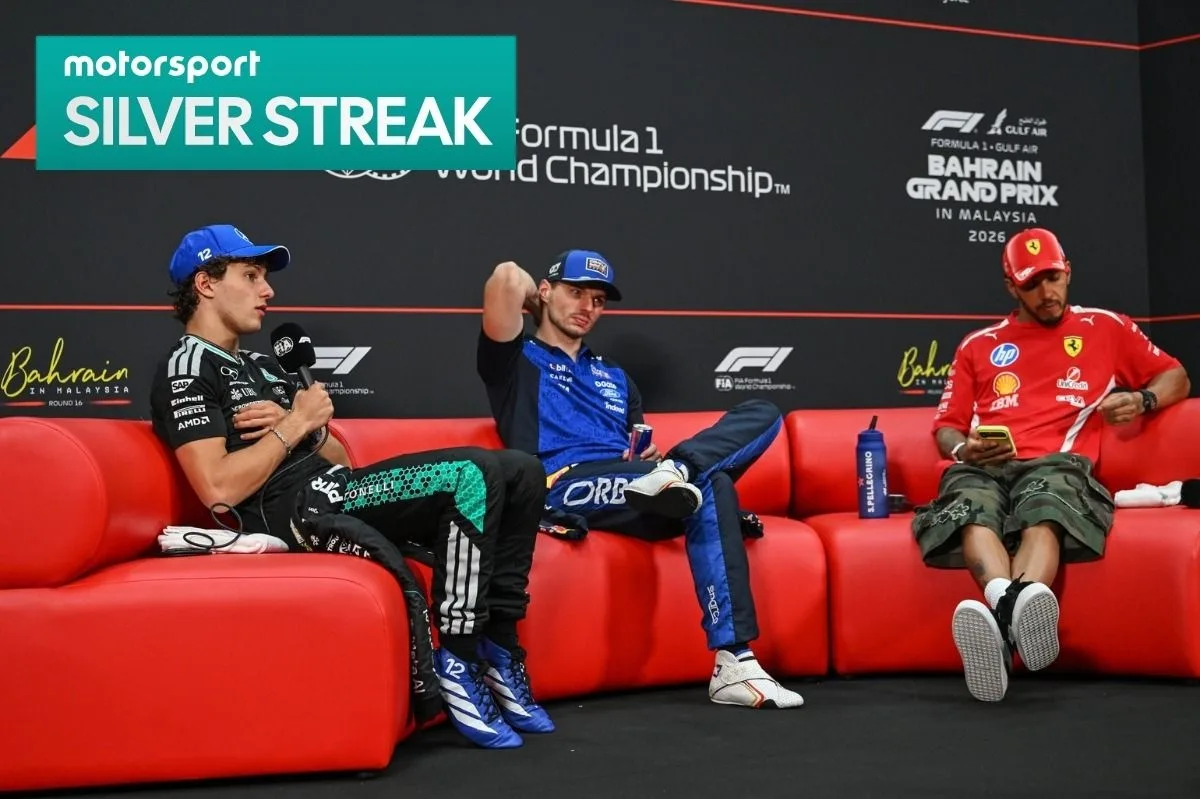
The chaos that unfolded ahead of the Bahrain Grand Prix sparked serious discussion in the Formula 1 paddock. Charles Leclerc, the Ferrari driver, said the incident was not merely a momentary technical glitch but a reflection of a fundamental weakness in the upcoming power unit regulations. According to him, what the drivers experienced in Sakhir—where several cars mysteriously lost power—was a warning that cannot be ignored.
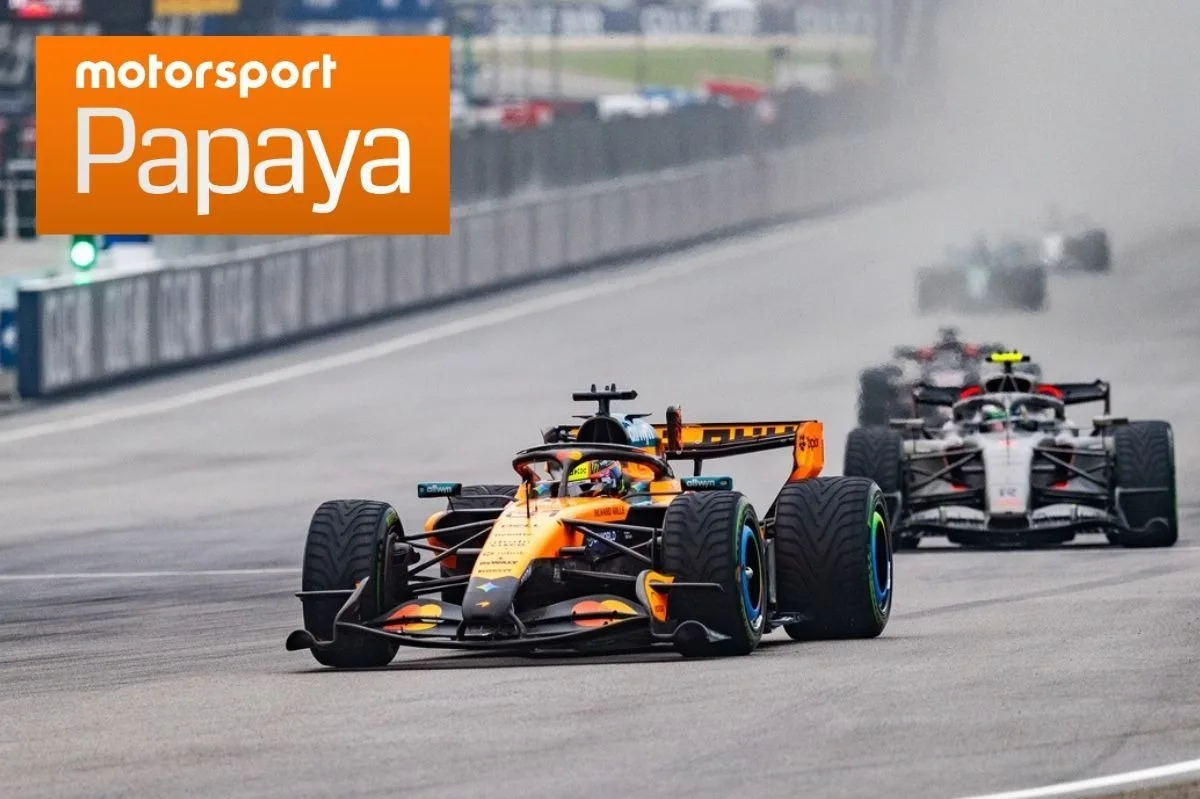
The incident began when a wet formation lap descended into chaos. Several cars suddenly lost power, the throttle became unresponsive, and a number of drivers were forced to switch off their engines and restart them just to get moving. Leclerc himself admitted he was briefly confused by the situation. "At first I thought the safety car had turned its lights off. I couldn't see it because of the distance and the spray. Then the team told me that Max (Verstappen) had a problem. When I tried to apply the throttle, I had the same problem. We were stuck at around 20 km/h," he said, recounting the experience from the cockpit.
The FIA, through single-seater director Nikolas Tombazis, explained that the cause was a software bug that prevented power from being delivered again when the car slowed drastically. "There is a loop that means the car cannot accelerate anymore," Tombazis said. Although the explanation provided technical clarity, the drivers believe the root issue runs deeper: how the 2026 regulations govern power distribution.
Leclerc did not deny that the incident reinforced concerns he and his fellow drivers had long raised. "We are worried about these cars. Sometimes you can get 100 horsepower more or less on corner exit. You don't fully control the power being delivered. With visibility like we had at the start, there could be a big crash," he said. He added that these cars are not the best to drive in wet conditions.
"I don't want to be too extreme, but clearly this is not good enough. We have voiced this problem and hope it is fixed soon. Unfortunately, there is no short-term solution. This is the result of decisions made long ago, and changing it takes time," Leclerc said.
Leclerc's remarks highlight the tension between the need for technical innovation and driver safety. The 2026 regulations were indeed designed to improve efficiency and competitiveness, but the transition to that new era appears set to be marked by challenges. The FIA itself acknowledges that major changes cannot be made overnight, especially since they involve manufacturers and engine suppliers.
For Indonesia, the dynamics of these F1 regulations can serve as a reflection of how the global automotive industry is moving toward electrification and efficiency. Although there is no direct impact, the development of hybrid power unit technology in F1 often serves as a laboratory for road-car innovation. System failures like the one in Bahrain are a valuable lesson about the importance of mature software testing before it is applied to mass-production vehicles.
Going forward, the question is how quickly the FIA and stakeholders can respond to the drivers' concerns. With a new regulatory era coming in 2030, and minor adjustments next year, will there be significant improvements, or the opposite—the potential for similar incidents to recur at other circuits? Only time will tell, but pressure from the drivers is becoming increasingly difficult to ignore.