31 Years of 'Paper Clip': The X-Files Trilogy That United Navajo History and Alien Conspiracy
Baca dalam 60 detik
- Tiga episode X-Files—'Anasazi', 'The Blessing Way', dan 'Paper Clip'—menjadi puncak mitologi alien dan konspirasi pemerintah dalam serial tersebut.
- Trilogi ini memadukan sejarah nyata code talker Navajo dari Perang Dunia II dengan fiksi konspirasi, menciptakan kedalaman naratif yang jarang tersaingi.
- Warisan trilogi ini menegaskan posisinya sebagai tolok ukur mitologi X-Files, meski arc selanjutnya dianggap semakin rumit dan kurang memuaskan.
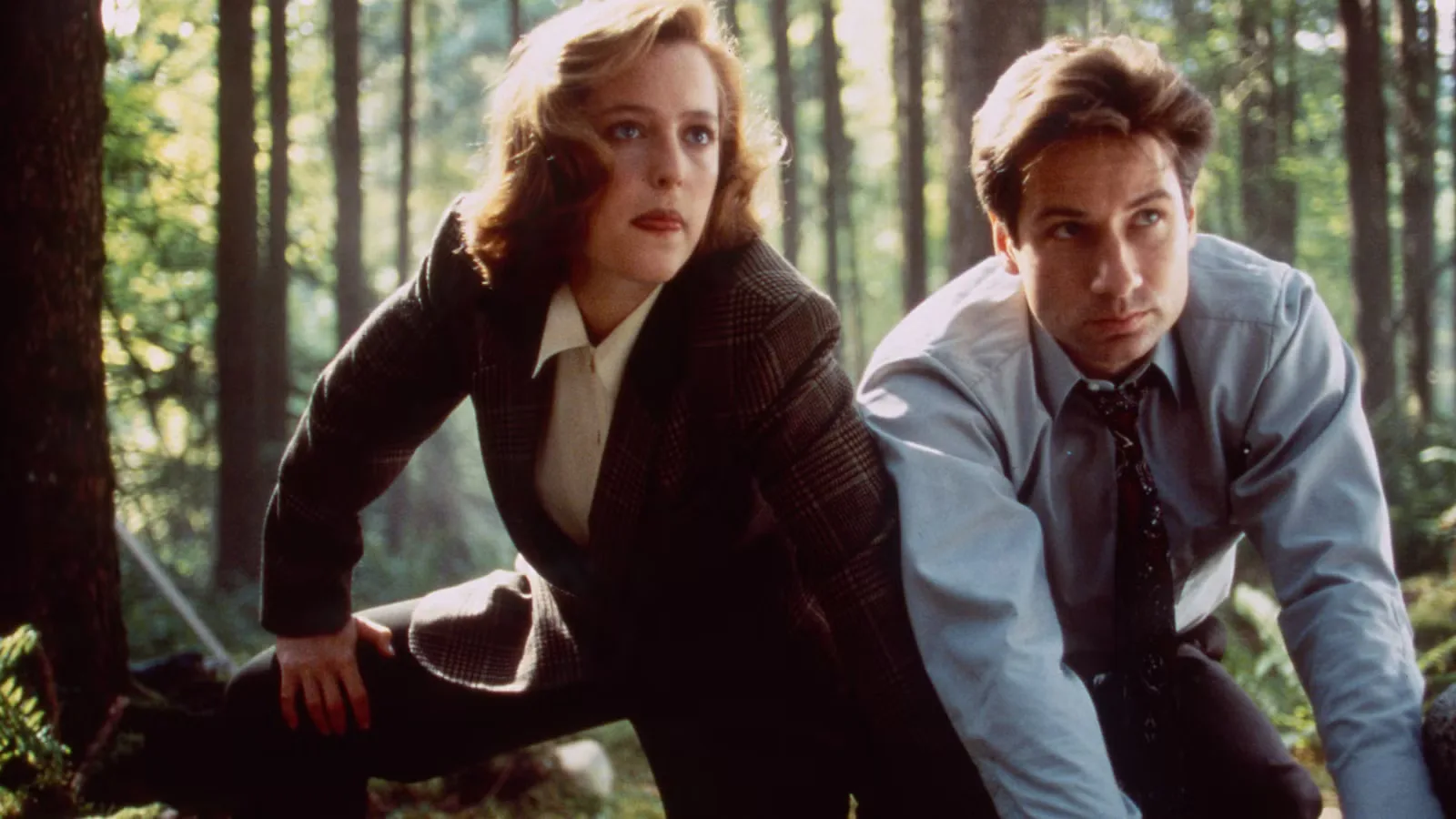
On May 19, 1995, millions of The X-Files viewers were stunned by the cliffhanger that closed the second season: Fox Mulder appeared to die in an explosion aboard a train car holding an alien body. More than three decades later, the trilogy comprising 'Anasazi', 'The Blessing Way', and 'Paper Clip' is still regarded as the peak of the mythology of the series created by Chris Carter—an achievement rarely matched by the episodes that followed.
The trilogy does not merely present an alien conspiracy; it weaves real World War II history into its narrative. The Navajo code talkers, who played a vital role in United States military communications in the Pacific, become the bridge between fiction and reality. Albert Hosteen, the character played by Floyd 'Red Crow' Westerman, is a former code talker who helps Mulder and Scully decipher the secrets of classified documents. Hosteen's presence not only enriches the plot but also lends a humanistic dimension that contrasts with the villainous bureaucrats who usually appear.
The episode 'Paper Clip' itself takes its name from Operation Paper Clip, the secret program that recruited Nazi scientists to work for the US government after World War II. The fusion of these historical elements makes the grandiosity of The X-Files mythology feel more plausible and rooted. According to observers of the series, this approach is one reason the trilogy is so compelling—it offers speculation that feels possible, not mere fantasy.
Beyond strengthening the mythology, the trilogy also marks a turning point for the character Walter Skinner (Mitch Pileggi). The previously ambiguous FBI Assistant Director finally demonstrates his loyalty to Mulder and Scully. The moment when Skinner hands the digital tape to the Cigarette Smoking Man in order to restore the two agents' positions—but with the assurance that Hosteen has memorized its contents and spread them to 20 other Navajo—became one of the most iconic scenes in the series' history. From then on, Skinner becomes a reliable ally, though he still has his own agenda.
“Even after the tape fell into the Smoking Man's hands, Skinner made sure the truth could not simply be silenced,” such is the essence of that moment, which underscores the theme of resistance against the abuse of power.
For devoted fans, this trilogy is often called the 'X-Files movie' before its first film was released. Its production scale, its life-and-death tension, and its close ties to the series' lore make it superior to the two feature films, which tended to stand alone in order to draw casual viewers. Yet after this trilogy, The X-Files mythology slowly lost its way. The deaths of Mulder's father and Scully's sister in a single storyline reduced the family elements that could be exploited, while the accumulation of mysteries without resolution made the narrative increasingly tangled.
Even so, that does not mean The X-Files immediately 'jumped the shark' afterward. There were still strong episodes, especially the standalone ones. Nevertheless, this trilogy remains the peak—a moment when the series still felt as though it were building something big, and viewers were certain all the questions would be answered. In reality, those answers never truly came, which only makes the trilogy shine all the more as an achievement that is hard to repeat.
For Indonesian viewers, The X-Files can be watched on streaming platforms such as Disney+ Hotstar, which also offers a range of other classic titles. This phenomenon shows how pop-culture heritage from the 1990s remains relevant amid the flood of modern content. Will there be a new series capable of uniting real history and speculative fiction as powerfully as this trilogy? The answer may lie with the next generation of writers.