Ford Edged Out by Hyundai in US Market, Third Place Under Threat
Baca dalam 60 detik
- Penjualan Ford pada kuartal III turun 6,6% menjadi 507.395 unit, sementara Hyundai beserta Kia dan Genesis mencatat kenaikan 5,4% ke 506.200 unit.
- Selisih hanya 1.195 unit membuat posisi ketiga Ford di pasar otomotif Amerika Serikat tetap bertahan, meski sebelumnya diprediksi akan tergeser.
- Gangguan produksi truk F-Series imbas kebakaran pemasok menjadi titik lemah Ford, sementara ekspansi agresif Hyundai-Kia mengancam dominasi jangka panjang.
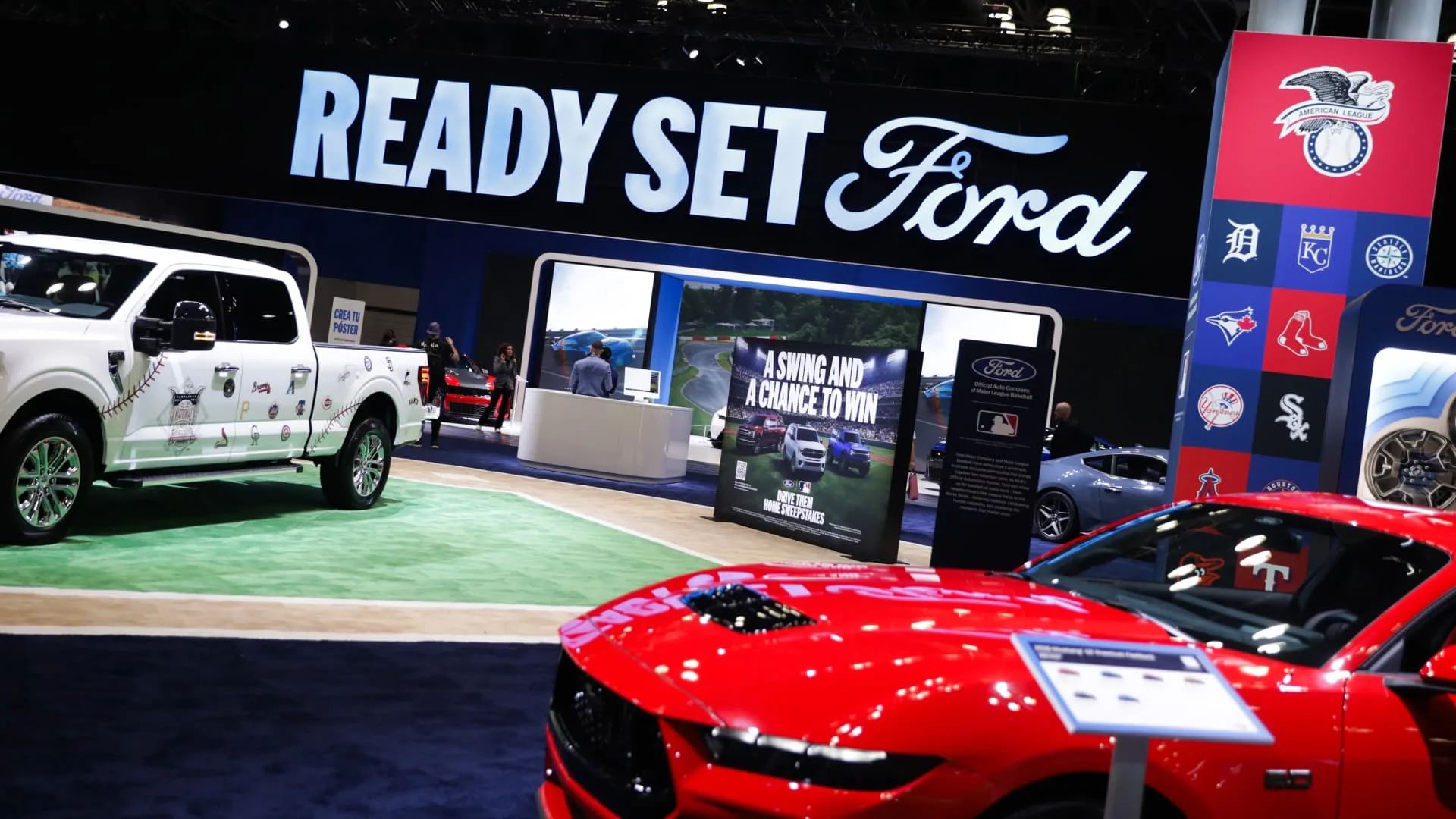
Ford Motor managed to hold on to third place in US vehicle sales in the third quarter, though only narrowly ahead of Hyundai Motor. The Detroit-based automaker posted sales of 507,395 light vehicles, down 6.6% from the same period last year. Meanwhile, Hyundai—which owns the Hyundai, Kia, and Genesis brands—recorded a 5.4% increase to 506,200 units. The gap between the two was just 1,195 units.
The result was surprising, as analysts at Cox Automotive had previously predicted Hyundai would overtake Ford for the first time in quarterly sales. Both Ford and Hyundai actually beat market expectations, but Hyundai's performance was still not enough to dislodge Ford from third place. The US auto market is indeed in turmoil: electric vehicle demand is slowing, high interest rates are squeezing purchasing power, and price competition is intensifying.
For Ford, holding this position is an oasis amid the storm. The company is still grappling with production disruptions to its F-Series pickup trucks—its best-selling line—after two fires at a supplier plant last year. The incidents hit supply and sales, causing Ford to lose momentum in its most profitable segment. Without those disruptions, the gap with Hyundai might be wider.
On the other hand, Hyundai and Kia continue to expand their market share in the US. Both offer a competitive lineup of electric and hybrid vehicles, along with aggressive pricing strategies. Genesis, Hyundai's luxury brand, is also gaining acceptance among American consumers. This 5.4% growth confirms that their expansion is not merely a coincidence, but the result of long-term investment in the US market.
"We see positive momentum across all brands, especially for electrified models," a Hyundai executive said in a separate statement, as quoted by CNBC. However, he acknowledged that competition in the pickup truck segment is still dominated by local players.
For Indonesia, this dynamic offers a valuable lesson. The national auto market is also facing an onslaught from Korean and Chinese brands. Hyundai and Kia have invested in Indonesia, while Ford actually withdrew from the domestic market several years ago. The fierce competition in the US shows that without innovation and production efficiency, even established brands can be pushed aside. The Indonesian government needs to encourage local industry to improve competitiveness, especially in the energy transition.
Going forward, Ford's position remains vulnerable. If F-Series production disruptions continue, Hyundai could overtake in the next quarter. Conversely, Ford has a chance to rebound if it can overcome supply hurdles and launch new models that appeal to buyers. The question is, will Ford return to a growth path, or will it become a witness to a shift in power in the American auto market?