Night Sky Brightening 10% per Year: Time for Indonesia to Regulate Light Pollution?
Baca dalam 60 detik
- Kecerahan langit malam meningkat sekitar 10% setiap tahun, membuat 80% populasi dunia hidup di bawah langit yang tercemar cahaya.
- Regulasi pencahayaan luar ruang seperti di Flagstaff, Arizona, dan rancangan Undang-Undang Perlindungan Langit Gelap New York menjadi model yang bisa diadopsi kota-kota Indonesia.
- Polusi cahaya tidak hanya menghalangi astronomi, tetapi juga mengganggu ritme sirkadian manusia, navigasi satwa, dan ekosistem penyerbukan.
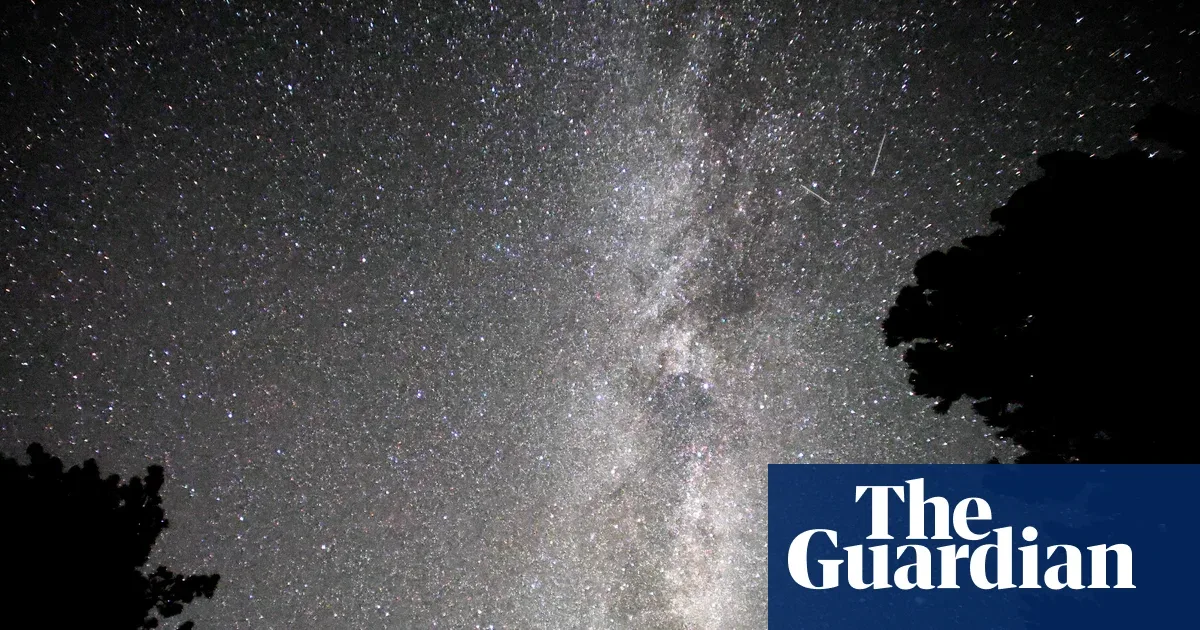
Earth's night sky is whitening by about 10% every year, a pace that within a decade will erase most stars from the view of city dwellers. The figure emerges from long-term observations compiled by the International Dark Sky network, strengthening calls for city governments to do more than add streetlights—they should start regulating the intensity, direction, and color temperature of outdoor light.
In Flagstaff, Arizona, outdoor lighting rules have been in force since 1958—long before the term light pollution became popular. The city was later recognized as the first Dark Sky City in 2001. Its regulations limit the number of lumens, the type of lamps, and the direction of emission so light does not pierce the sky. New York state is now considering a Dark Skies Protection Act that would restrict lighting in urban areas, including the city nicknamed 'the city that never sleeps.'
For Indonesia, this is not merely a matter of sky aesthetics. Jakarta, Surabaya, Bandung, and other major cities keep building lighting infrastructure for streets, parks, and commercial districts without a dedicated regulatory framework. Yet light pollution has a direct impact on residents' health: exposure to blue light from outdoor LED lamps that seeps through bedroom windows disrupts melatonin production, the hormone that regulates sleep and bodily recovery. Research has also linked it to the risk of obesity, diabetes, and mood disorders.
The ecological impact is broader. Newly hatched sea turtles use moonlight to find the ocean, but beach lamps make them move inland and die. Migratory birds lose their orientation because of the glare from high-rise buildings. Fireflies and frogs need darkness for their mating rituals. Research also shows light pollution severs the relationship between plants and pollinators, and shifts when trees bloom.
"Every year the night sky becomes 10% brighter. Eighty percent of people live under light-polluted skies. I believe we all also have a right to darkness," a researcher wrote in an essay published by The Guardian.
The threat does not come only from the surface. Commercial satellites, including more than 11,000 Starlink units, reflect sunlight and appear as bright points that disrupt astronomical observation. One company even plans to launch satellites that reflect sunlight to illuminate a three-mile area of Earth at night. The launch of such space objects is not required to undergo environmental review, even though their effects are felt on Earth.
In Indonesia, a small step could start with revising zoning rules and street lighting standards. The Ministry of Public Works and Housing has guidelines for public street lighting, but has not integrated light pollution aspects. Several conservation areas, such as Bromo Tengger Semeru National Park and Wakatobi, could become Indonesia's first dark sky areas if regulations limit light around them. This could be an astronomy tourism draw as well as a way to conserve nocturnal ecosystems.
The question is, will city governments wait until the sky truly loses its stars before acting? Or will they start treating darkness as public infrastructure worth regulating, not merely a side effect of modernity?