DKPP Proposed to Have Authority to Refer Alleged Election Crimes to Law Enforcement
Baca dalam 60 detik
- Wakil Ketua Umum Hanura Patrice Rio Capella mengusulkan agar DKPP tidak hanya memberi sanksi etik, tetapi juga meneruskan dugaan pidana penyelenggara pemilu ke aparat penegak hukum.
- Usulan ini muncul saat RUU Pemilu sedang dibahas dan dikhawatirkan hanya fokus pada ambang batas parlemen serta sistem proporsional, mengabaikan penguatan kelembagaan KPU, Bawaslu, dan DKPP.
- Jika disetujui, perluasan kewenangan DKPP berpotensi mengubah lanskap penegakan hukum pemilu dan menuntut koordinasi baru dengan kepolisian serta kejaksaan.
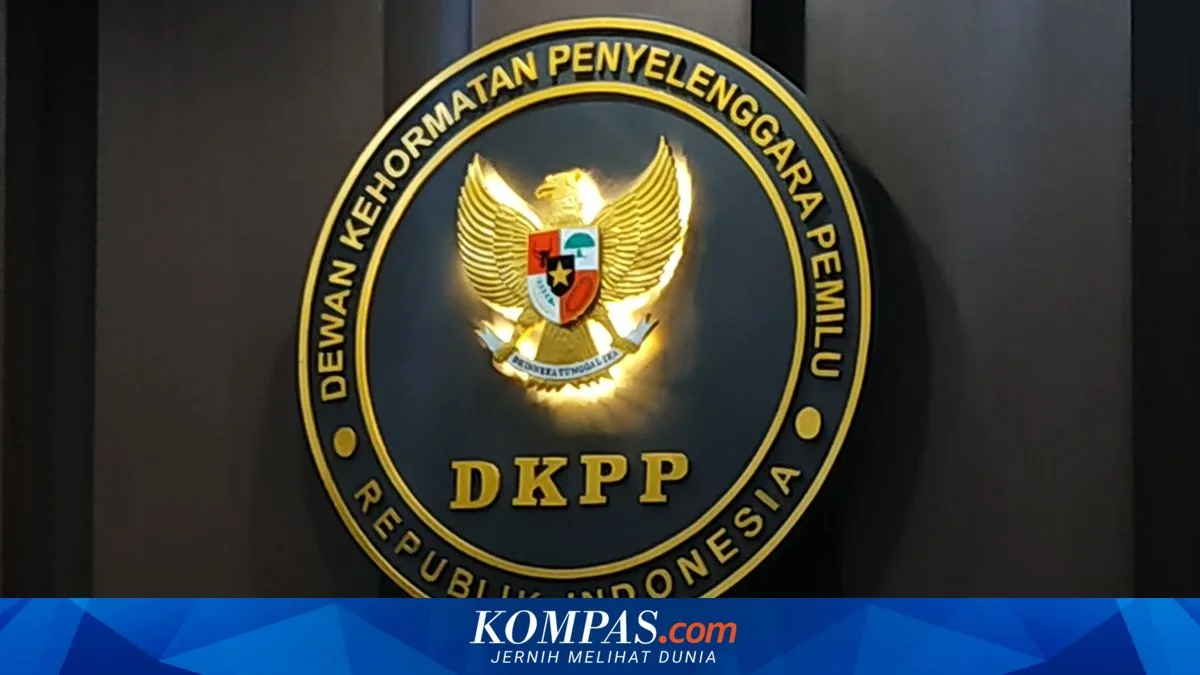
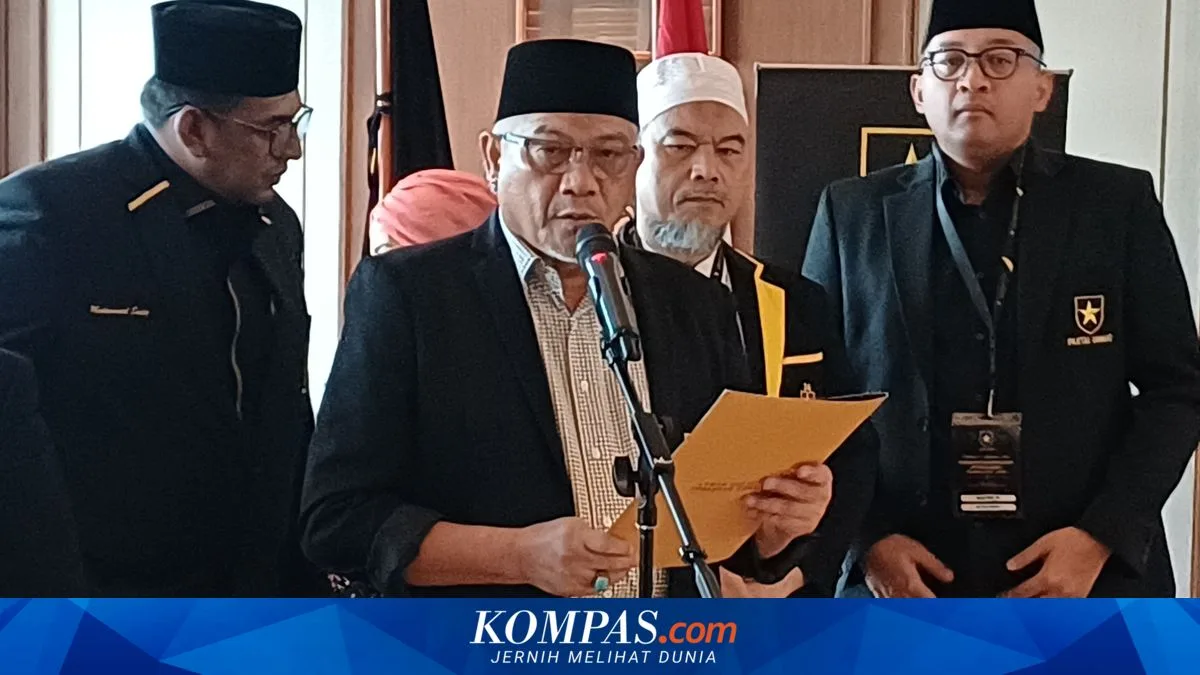
Deputy Chairman of the Hanura Party, Patrice Rio Capella, has proposed expanding the authority of the Election Organizer Ethics Council (DKPP). He argues that the DKPP can currently only impose ethical sanctions on commissioners of the KPU or Bawaslu, without being able to act on alleged criminal violations that may occur in the election process. The proposal was conveyed by Rio in a written statement on Saturday (26/9/2026), amid ongoing deliberations on the Election Bill.
According to Rio, the DKPP's limited authority means that the resolution of election violations often stops at administrative or ethical sanctions. In fact, in several cases, alleged gratification or actions that trigger unrest could fall into the criminal realm. "If there is indeed an alleged criminal violation there, gratification there, which results in riots and so on, then the DKPP should not merely dismiss, but can bring it into the criminal realm, and forward it to law enforcement," said Rio.
He highlighted the possibility of errors or negligence by the General Elections Commission (KPU) that could trigger disputes and even lawsuits to the Constitutional Court (MK). According to Rio, the quality of democracy is determined not only by the electoral system, but also by the professionalism of the organizers. Therefore, he asked that the institutional strengthening of the KPU, Bawaslu, and DKPP be part of the Election Bill deliberations. "Because the Election Bill is being drafted, it should not only deal with the PT (Parliamentary Threshold), only deal with the election system, closed or open proportional," said Rio.
Rio also highlighted the importance of internal party reform. As Chairman of the Hanura DPP Task Force Team, he gathered party officials in Lampung on Friday (25/9/2026) to check the readiness of the structure from the DPD level to the PAC in facing the 2029 Election. He acknowledged that the condition of Hanura's structure in Lampung was starting to improve compared to two to three months earlier. "What happened in the 2024 Election will not happen again in the 2029 election. So there must not be no officials, no one nominating legislative members. So nearly more than half had no legislative candidates in Lampung Province," he explained.
"So don't just make noise about the PT. If the organizers are not right, the quality of democracy is also not what we want." — Patrice Rio Capella, Deputy Chairman of Hanura
This proposal to expand the DKPP's authority touches the core issue of election law enforcement in Indonesia. So far, the DKPP has acted as an ethics body handling alleged violations of the code of ethics by election organizers. If its authority is expanded to refer alleged crimes, there will be a significant change in the flow of handling election violations. The DKPP would no longer stop only at recommending dismissal, but could also become an entry point for criminal legal proceedings. However, this idea requires in-depth study because it has the potential to overlap with the authority of the police, the prosecutor's office, and Bawaslu, which already have mechanisms for handling election criminal violations.
For readers in Indonesia, especially investors and market participants, this development is relevant because political stability and legal certainty are important factors in the investment climate. Clean elections and professional organizers will reduce the risk of prolonged disputes that can disrupt economic stability. Conversely, if the Election Bill focuses only on technical issues such as the parliamentary threshold without strengthening the organizers' institutions, the potential for post-election conflict could increase. Therefore, the Election Bill deliberations need to include aspects of institutional strengthening, including expanding the DKPP's authority, so that the quality of democracy and legal certainty go hand in hand.
Going forward, this proposal will be tested in the Election Bill deliberations in the DPR. If approved, the DKPP will have a greater role in maintaining election integrity, but will also face new challenges in terms of coordination with law enforcement agencies. The question is, will this expansion of authority truly strengthen election law enforcement, or instead create overlapping authority that slows down the process? Time will tell, but the direction of the current Election Bill deliberations will determine the face of Indonesian democracy in the 2029 Election.