Phone Repairability Scores Keep Sliding: Apple and Samsung at the Bottom, Fairphone Leads
Baca dalam 60 detik
- Laporan US PIRG 2026 menempatkan Apple di peringkat terakhir dengan nilai D- dan Samsung D, sementara Motorola mengejutkan dengan B+.
- Pendorong utama penurunan ini adalah desain ultra-tipis dan penggunaan perekat masif yang menyulitkan perbaikan mandiri.
- Konsumen di Indonesia perlu mencermati kemudahan servis sebelum membeli, karena berdampak pada biaya jangka panjang dan limbah elektronik.
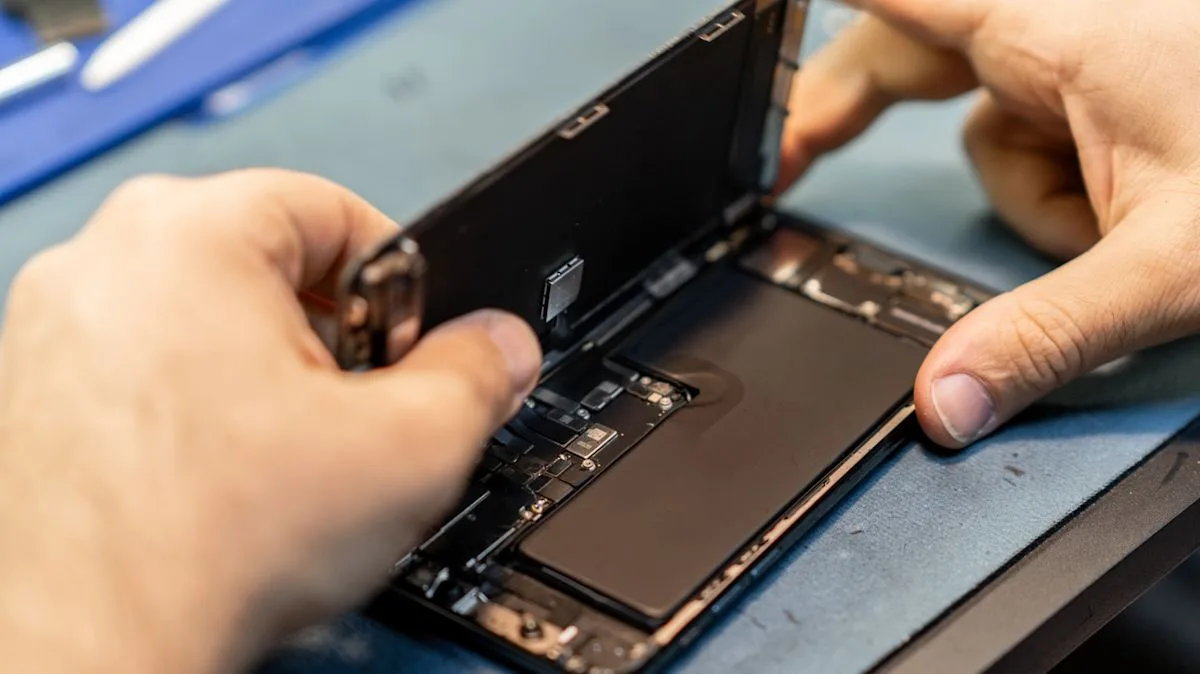
The ease of repairing smartphones is eroding. A new report from US PIRG titled "Failing The Fix" 2026 reveals that major brands are falling behind on repairability: Apple sits at the bottom with a D-, followed by Samsung with a D and Google with a C-. Motorola, by contrast, drew attention with a B+, while the Fairphone 5 and 6 earned a perfect 10/10 from iFixit.
The decline is not without cause. In recent years, manufacturers have raced to build ever-thinner devices—the iPhone Air, for instance, measures just 5.64 mm. Slim designs are alluring, but the consequence is that components are packed tightly and held together with glue rather than screws. iFixit notes the use of adhesive as a key weakness in most recent phones, including models from Apple, Samsung, and Google. As a result, self-repair is nearly impossible without special tools and advanced skills.
Adhesive does offer benefits: it strengthens the structure, allows thinner bodies, and improves water resistance. But unlike screws, adhesive makes component replacement difficult. Even screws are no longer uniform; some recent iPhone models use four to five different screw heads, adding complexity to servicing. Foldable phones are worse still because of their complex designs, driving up repair costs and, in the long run, burdening consumers.
Still, there is a glimmer of hope. Fairphone and HMD prove that repair-friendly phones can remain competitive. Fairphone offers more than 40 easily replaceable components, complete with self-repair guides. Apple has also begun moving in a similar direction with its Repair Assistant feature, which allows battery replacement without contacting Apple—a step forward, though not yet comprehensive. The latest Samsung models are also relatively easier to repair, though not on Fairphone's level.
"A poor repairability score is not just about service costs, but also shortens a device's lifespan and worsens the global e-waste problem," the report notes.
For Indonesian consumers, this issue is crucial. The domestic phone market is dominated by global brands with low repairability scores. When a screen cracks or a battery ages, users are often faced with high repair costs or difficulty finding spare parts. Not infrequently, they choose to buy new—a pattern that only multiplies electronic waste. Regulation on the right to repair has yet to become a priority in Indonesia, even though such a policy could push manufacturers to provide spare parts and official guides.
Going forward, the trend toward thin, sealed designs looks set to remain dominant. However, pressure from consumers and regulators in Europe and the United States is starting to force manufacturers to change course. The question is whether the Indonesian market will also demand better repairability standards, or remain a dumping ground for models that are hard to fix.