David Siegel, Two Sigma Founder, Returns to MIT as Innovation Fellow
Baca dalam 60 detik
- David Siegel, co-founder Two Sigma, diangkat sebagai Innovation Fellow di MIT Schwarzman College of Computing.
- Latar belakangnya di AI, filantropi pendidikan, dan kepemimpinan di MIT diharapkan mempercepat inovasi di persimpangan AI dan penemuan ilmiah.
- Penunjukan ini menegaskan peran MIT sebagai pusat kolaborasi antara akademisi, industri, dan investasi kuantitatif di bidang AI.
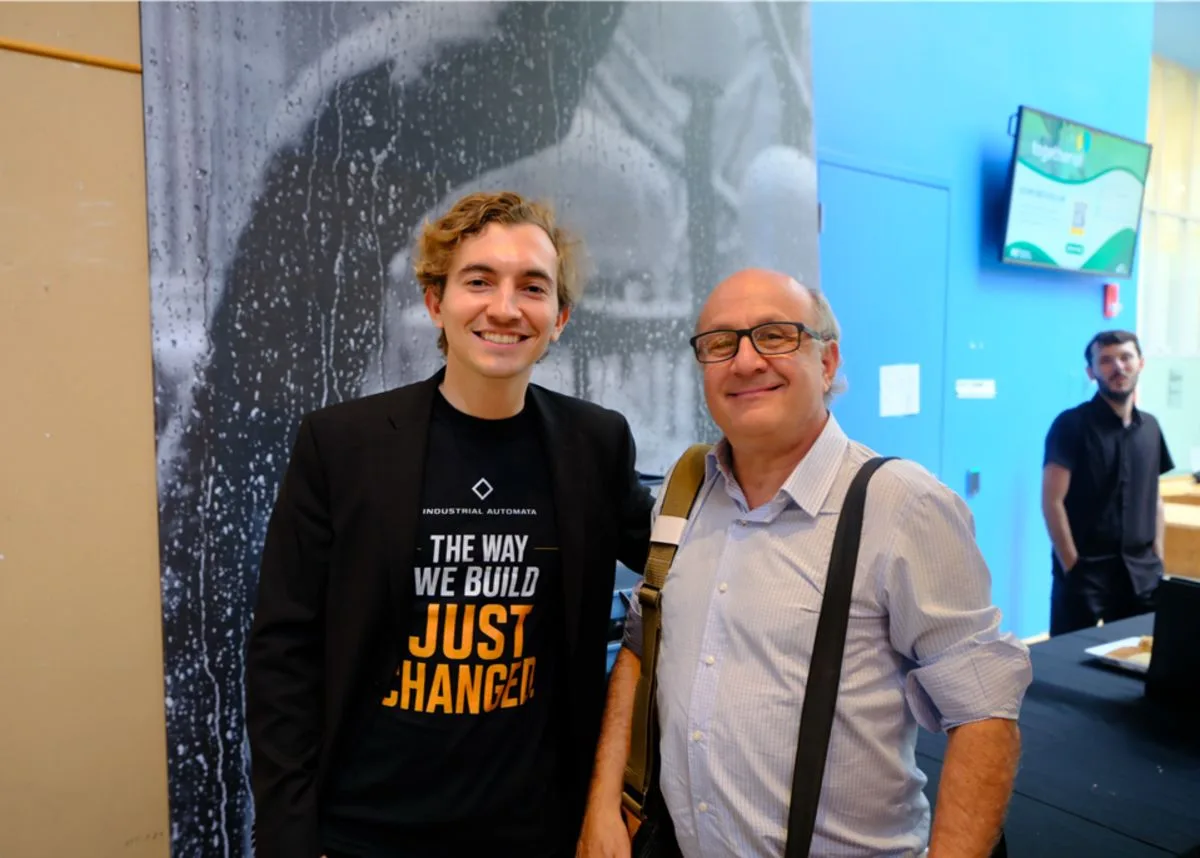
The Massachusetts Institute of Technology (MIT), through the Schwarzman College of Computing, has officially appointed David Siegel, co-founder of quantitative investment firm Two Sigma, as an Innovation Fellow. The move marks the MIT alumnus's return to a campus where he has long contributed, both as a corporate member and as a supporter of artificial intelligence research.
Siegel is not a new name in the technology and academic ecosystem. He earned his doctorate from MIT after studying at Princeton, and worked at the MIT Artificial Intelligence Lab—now the Computer Science and Artificial Intelligence Laboratory (CSAIL)—under Professor Tomás Lozano-Pérez. His involvement in AI and machine learning dates back to the early phase of the technology's development.
The appointment also strengthens ties between industry and academia. As chairman of the Siegel Family Endowment, Siegel has a long track record of supporting STEM education, including the free coding platform for children, Scratch, and the robotics organization First Robotics. He is also a life member of the MIT Corporation and co-chair of the External Advisory Committee at Schwarzman College.
In a statement, Siegel expressed his enthusiasm about returning to campus. "MIT played a fundamental role in shaping how I view the potential of technology to address complex challenges. I am delighted to return as an Innovation Fellow to collaborate with students, researchers, and faculty at a crucial point in global technology development," he said.
MIT President Sally Kornbluth welcomed the appointment. According to her, the MIT community has long benefited from Siegel's technical insight, entrepreneurial experience, and ability to connect people. "We look forward to his collaboration in identifying new opportunities at the intersection of AI and scientific discovery," Kornbluth said.
For Indonesia, MIT's move mirrors the importance of cross-sector collaboration in developing AI. Indonesia is pushing digital transformation and AI talent development, but still faces challenges in connecting academic research with industry needs. A partnership model like MIT's—combining philanthropy, investment, and technical expertise—can serve as a reference for universities and technology companies in the country.
In addition, the role of the diaspora and alumni of global campuses such as Siegel shows how international networks can accelerate knowledge transfer. Indonesia has many alumni of MIT and other top world institutions who could potentially bridge AI research with applications in the financial, health, and education sectors. Siegel's appointment at MIT could trigger discussion about how Indonesia builds a similar innovation ecosystem.
Going forward, the question is how far collaboration between academics, industry, and investors like Siegel can produce breakthroughs that are not only theoretical but also applicable. Will this model be adopted by developing countries, including Indonesia, to accelerate responsible AI adoption? Time will tell, but MIT's move at least points to an increasingly clear direction.