Gibran Visits Solok, Guarantees Medical Referrals for Flash Flood Victims
Baca dalam 60 detik
- Wapres Gibran Rakabuming meninjau RSUD Arosuka dan memastikan seluruh kebutuhan medis korban banjir bandang Solok ditanggung negara, termasuk rujukan lanjutan.
- Pemerintah menginstruksikan antisipasi penyakit pascabanjir seperti diare, DBD, infeksi luka, dan penyakit kulit dengan memperkuat stok obat serta suplai vitamin di posko pengungsian.
- Kelompok rentan—ibu hamil, lansia, disabilitas, dan anak—diprioritaskan dalam pemantauan kesehatan, baik yang dirawat di rumah sakit maupun yang bertahan di pengungsian mandiri.
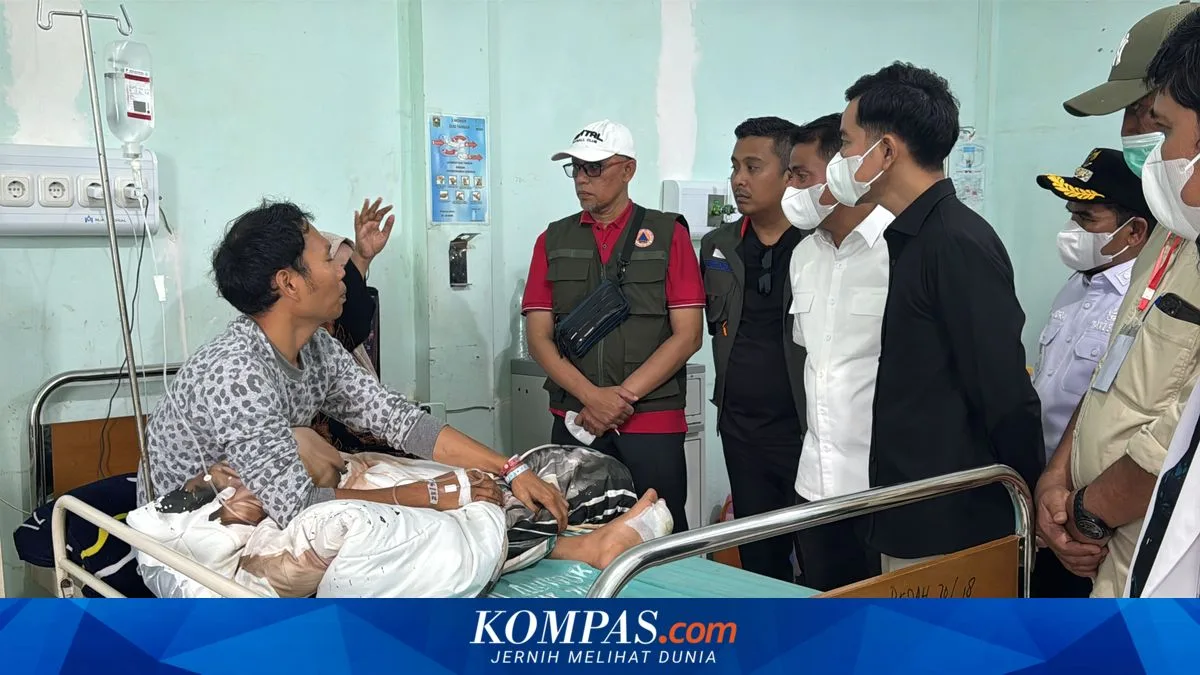
Vice President Gibran Rakabuming has assured that the state will cover all medical needs of victims of the flash flood in Solok, West Sumatra, including referrals to better-equipped health facilities if patients require them. Gibran made the guarantee while inspecting Arosuka Regional Hospital on Friday (25/9/2026), amid mounting pressure on health services after the disaster.
During the visit, Gibran did not only inspect treatment rooms. He spoke with several patients, including a woman with a wrist injury who had undergone repositioning for a fracture. He urged patients not to hesitate to return to the hospital if further complaints arose.
“I want all of you to receive the best care. The government ensures medical needs are met, including when a patient requires further treatment or referral,” Gibran told the patients.
The emphasis on referrals is not without reason. Flash floods often overwhelm local health facilities, both in terms of bed capacity and the availability of specialists. Gibran's statement signals that the central government is ready to cover the costs and coordination of referrals, so regional hospitals do not have to hold patients beyond their service capacity.
Beyond ensuring care for the injured, Gibran asked health workers to anticipate a surge in post-flood diseases. He named several illnesses that typically emerge after floods, from diarrhea and skin diseases to dengue hemorrhagic fever and wound infections. His instruction was clear: hospitals must prepare drug supplies, while residents at evacuation posts need vitamin supplies to maintain immunity.
The request touches on an issue often overlooked in disaster response: health services do not stop at treating physical wounds. After the water recedes, the risk of infectious diseases actually rises, especially in shelters with limited sanitation. Gibran therefore asked health workers to actively reach residents, not only those who come to the hospital but also those staying at posts or independent evacuation sites.
Special attention was given to vulnerable groups. Pregnant women, the elderly, people with disabilities, and children were told to be prioritized in regular monitoring. This instruction matters because these groups have the hardest time accessing health services when mobility is disrupted and public facilities are damaged.
For readers outside Solok, this visit shows the government's pattern of response to increasingly frequent hydrometeorological disasters. The referral guarantee and the emphasis on post-flood diseases indicate that regional health budgets will face additional pressure in the coming weeks. For businesses in logistics, pharmaceuticals, and medical devices, urgent needs in disaster areas may open short-term demand, but also test the readiness of regional supply chains.
What needs to be watched next is how quickly that promise translates into real services. Do regional hospitals have enough specialists to handle referrals? What is the financing mechanism for patients without health insurance? And just as important, will monitoring of vulnerable groups at independent evacuation sites continue consistently after officials' visits end?