Criminal Law Expert: Fake Singapore Dollars Only Valid If These Three Pieces of Evidence Exist
Baca dalam 60 detik
- Polres Tangerang Selatan tengah menyidik dugaan pemalsuan Sin$340.000 atau setara Rp4,7 miliar, namun belum ada tersangka yang ditetapkan.
- Ahli hukum pidana Gradios Nyoman Tio Rae menegaskan keaslian uang hanya bisa disimpulkan setelah ada keterangan Monetary Authority of Singapore, uji laboratorium forensik kepolisian Singapura, dan saksi ahli mata uang.
- Penyidik diminta tidak terjebak pada konstruksi awal pasal penggelapan dan menguji siapa yang benar-benar menguasai serta dirugikan dalam rantai penukaran uang di Singapura.
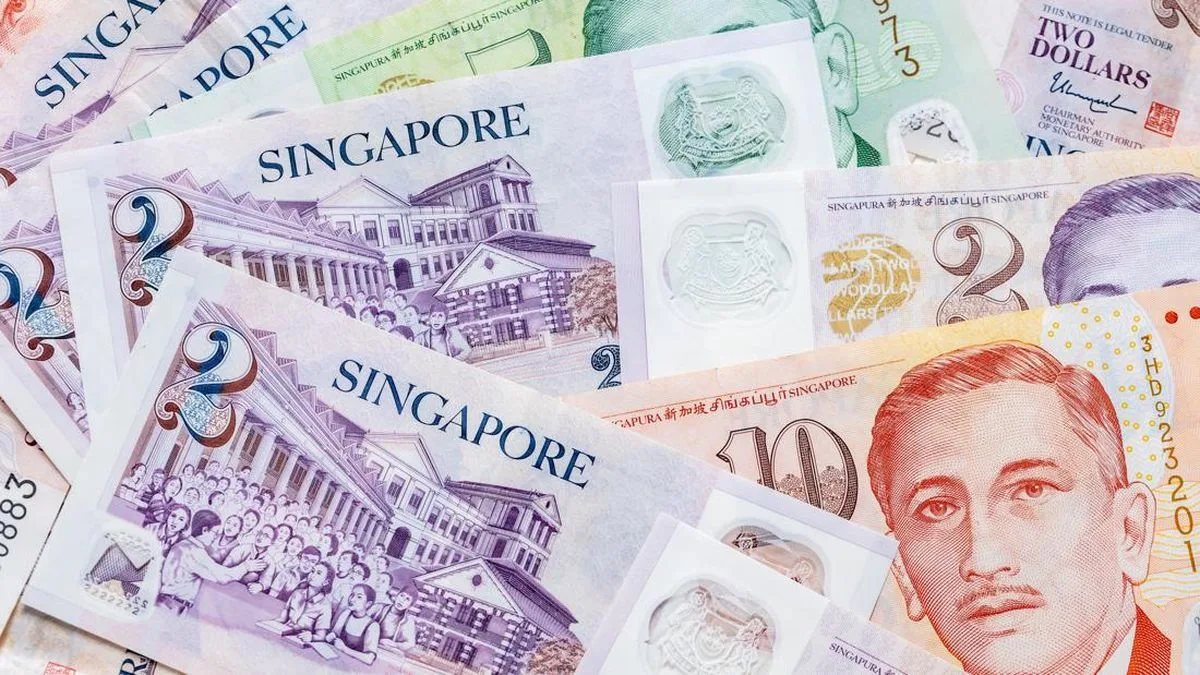
The investigation into the alleged counterfeit Singapore dollars worth Sin$340,000, or around Rp4.7 billion, at the South Tangerang Police has entered a crucial stage. Criminal law expert Gradios Nyoman Tio Rae argues that the authenticity of the money cannot be concluded before Singapore's monetary authority and police provide official verification. Without that, naming anyone as a perpetrator risks violating the presumption of innocence.
In a written statement on Friday (25/9), Nyoman Rae laid out three absolute requirements that must be met before the money can be called fake. First, a letter from the Monetary Authority of Singapore (MAS) as Singapore's central bank. Second, forensic laboratory test results issued by the Singapore police. Third, testimony from a currency expert witness. According to him, these three pieces of evidence form the foundation so that investigators' conclusions have a legally accountable basis.
Only once those three documents are obtained can the Indonesian Police follow up on the Singaporean authority's request to track down those suspected of circulating counterfeit money domestically. Conversely, without that completeness, the investigation is considered too early to touch the substance of the case. "That is the same as ignoring the presumption of innocence," he stressed.
Nyoman Rae also highlighted the use of the embezzlement article in the construction of this case. According to him, if investigators use that article, it must be clear who initially lawfully controlled the goods, what was then done with those goods, and who suffered direct losses. He warned that the legal construction must not be inverted, especially because there is a party with the initial S who played an active role in exchanging the money in Singapore.
"If using the embezzlement article, it must be clear who controlled the goods, who then carried or used those goods, and who was harmed. Do not let the construction end up inverted," said Nyoman Rae.
Therefore, he urged the South Tangerang Police to apply a due process model approach, namely testing the entire sequence of events carefully. The examination must not stop at who handed the money to S, but must also cover events after the money was in S's control, including testimony from HJ's side, the money's journey, the authenticity status of the 34 Sin$10,000 notes, and official documents from Singapore.
This case began with a report by DM, Steven's wife, to the Metro Jaya Police on 3 July 2026. Steven is said to be the party who exchanged the money at the Resorts World Sentosa casino. The money allegedly came from AN and HJ, two of the three reported parties. The South Tangerang Police then upgraded the case status to investigation on 9 September 2026, but to date has not named a suspect.
For the Indonesian public, this case is not merely about the large rupiah value. A cross-jurisdictional case like this tests how ready domestic law enforcement is to coordinate with foreign authorities, especially in terms of financial and forensic documentary evidence. The dependence on an official letter from MAS and a Singapore forensic laboratory shows that counterfeit money investigations cannot be completed with an instant approach. On the other hand, this case is also a mirror for the region's financial and casino industries, which often become entry points for the circulation of large-value cash.
Going forward, the public awaits whether the South Tangerang Police will meet the evidentiary standards demanded by experts, or continue moving with the initial construction. If the three pieces of evidence from Singapore are not obtained, will the investigation be halted, or will it instead force officers to seek another legal route? The answer to that question will determine the credibility of handling this cross-border case.