Record $1.07 Million Fine for AI Data Center in New Jersey: A Stern Warning or Just a Formality?
Baca dalam 60 detik
- Regulator lingkungan New Jersey menjatuhkan sanksi terbesar sepanjang sejarah kepada DataOne karena mengoperasikan 45 generator gas tanpa izin.
- Aktivis menilai nominal denda tidak membuat efek jera bagi perusahaan raksasa, sementara operator diberi tenggat 45 hari untuk mengurus perizinan.
- Kasus ini menyoroti pengawasan pusat data AI yang berkembang pesat, termasuk di Indonesia, yang berpotensi menghadapi tantangan serupa.
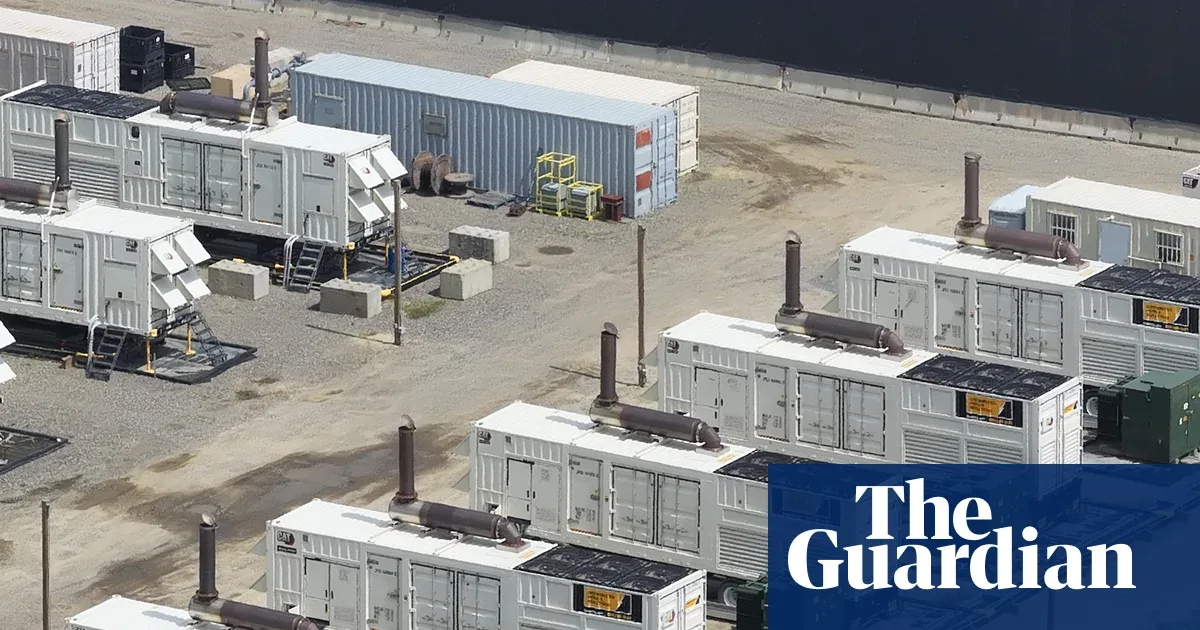
The New Jersey Department of Environmental Protection (NJDEP) has fined DataOne, the operator of an artificial intelligence data center in Vineland, $1.07 million for running dozens of gas-fueled generators without official permits. The penalty is the largest the state has ever imposed on a data center facility, following a journalistic investigation that uncovered the violations.
An investigation conducted by Floodlight with The Guardian using thermal drones last August found that 45 of the 62 generators at the site were operating. NJDEP later confirmed that no permits had ever been issued for the trailer-truck-sized machines. Diesel and gas generators are known to release air pollutants linked to asthma, heart attacks, and premature death.
NJDEP Commissioner Ed Potosnak said in a press release that the fine "sends a clear message that facilities like this will not be built or operated without consequences in this state." However, the regulator gave DataOne a 45-day deadline to apply for permits or cease operations. During that period, the company is allowed to keep running the generators—a concession that has drawn criticism.
DataOne is connected to Microsoft through a $17 billion deal with Nebius, a Dutch AI infrastructure company. The project has been controversial since its groundbreaking in 2025 due to noise complaints, unpermitted construction, and a contentious zoning process. The incident came to light after an independent investigation, not routine oversight—raising questions about the effectiveness of state supervision.
"I suspect the company is breathing a sigh of relief because it was allowed to keep operating," Bruce Buckheit, former head of air enforcement at the EPA, told Floodlight.
Environmental groups say the fine is not enough to deter future violations. "Even though this fine is a record for the DEP, $1 million has no impact on a company like DataOne," said Matt Williams of Sustain SJ. He added that an immediate shutdown would have been the appropriate response. A social media post from a New Jersey activist coalition also questioned how such a large project could install and operate dozens of generators before the state took action.
A DataOne spokesperson said the company is transitioning to low-emission and quiet fuel cells as a permanent power solution and has obtained the necessary approvals. "We disagree with the characterization of temporary generators, but we will apply for air permits for the temporary generators," the spokesperson said. The company did not confirm whether it would appeal the fine.
Indonesian Context
This case serves as a mirror for Indonesia, which is aggressively building data centers to support the digital economy and AI. Several data center projects in Batam, Jakarta, and surrounding areas use diesel generators as backup power sources. If environmental oversight is not tightened, similar risks—air pollution, noise, and permit violations—could occur. Environmental regulations in Indonesia, such as AMDAL, do require permits for large-scale generator operations, but enforcement is often hampered by resources and inter-agency coordination.
The lesson from New Jersey shows that transparency and independent oversight, including the use of monitoring technology such as drones, can expose violations that go undetected. The Indonesian government can strengthen oversight by involving civil society and the media, and by ensuring proportional sanctions so they do not merely become an operating cost for large corporations.
Looking ahead, the question is: will regulators in various countries, including Indonesia, be able to keep pace with the expansion of AI data centers through strict oversight, or will they get stuck in a cycle of fines that does not address the root of the problem?