Herdman Defends Starting XI Without Indonesia-Born Players: We Are Indonesia, Not Local or Diaspora
Baca dalam 60 detik
- John Herdman menurunkan sebelas pemain tanpa satu pun kelahiran Indonesia saat melawan Singapura di ASEAN Cup 2026, pertama kali dalam sejarah Timnas.
- Pelatih asal Inggris itu menegaskan tidak ada dikotomi lokal-diaspora; semua pemain yang bersedia berjuang untuk bendera Merah Putih adalah Indonesia.
- Kemenangan 2-0 atas Singapura menjadi jawaban di lapangan, namun polemik identitas dan masa depan pemain lokal tetap menjadi ujian bagi Herdman.
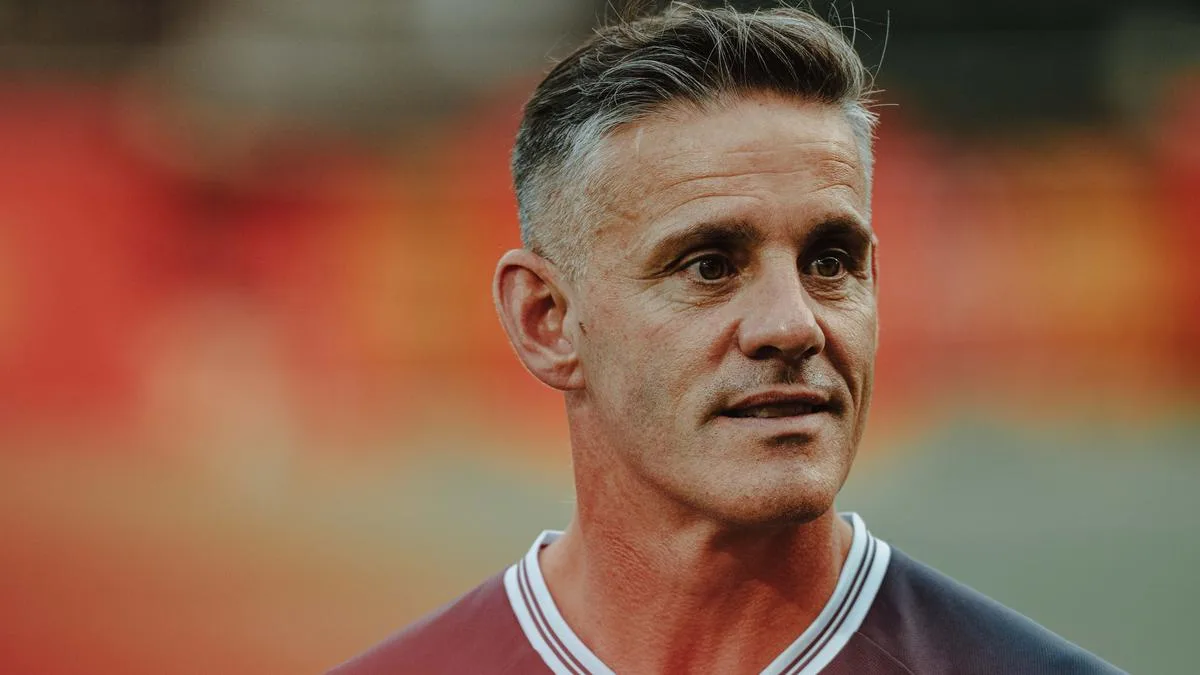
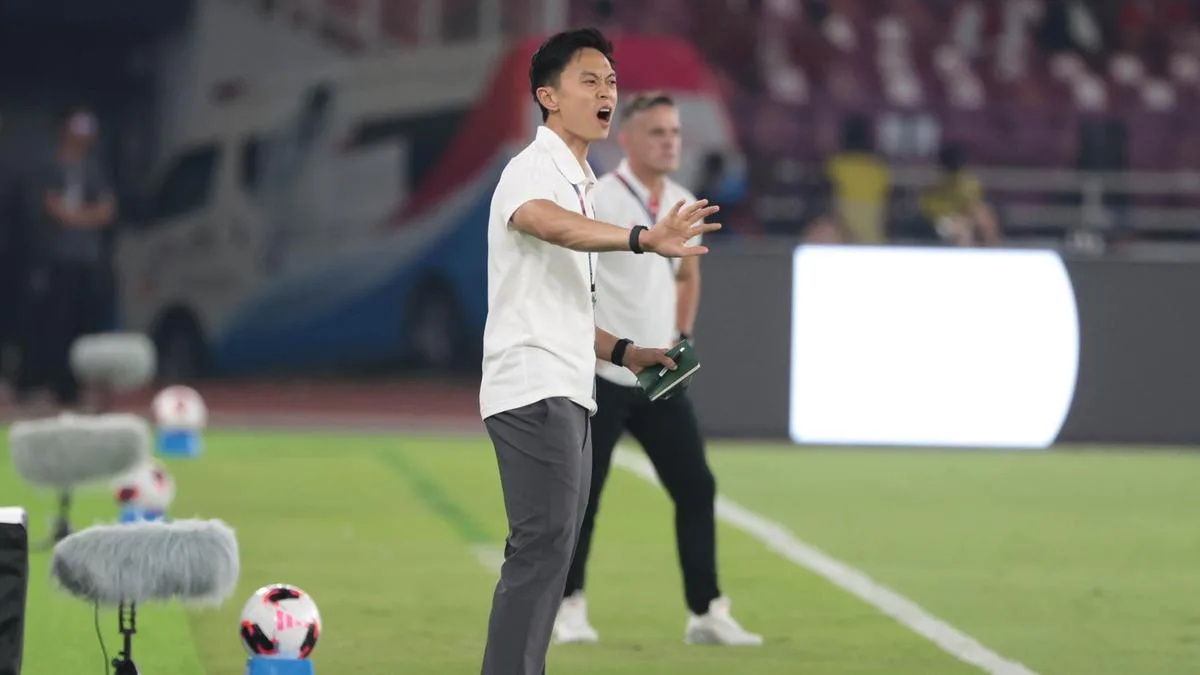
Indonesia national team coach John Herdman, for the first time, fielded a starting XI without any Indonesia-born players in the match against Singapore in Group A of Division 1 of the FIFA ASEAN Cup 2026. The decision immediately sparked questions about identity and the future of the national game, but Herdman responded firmly: there is no divide between local and diaspora players.
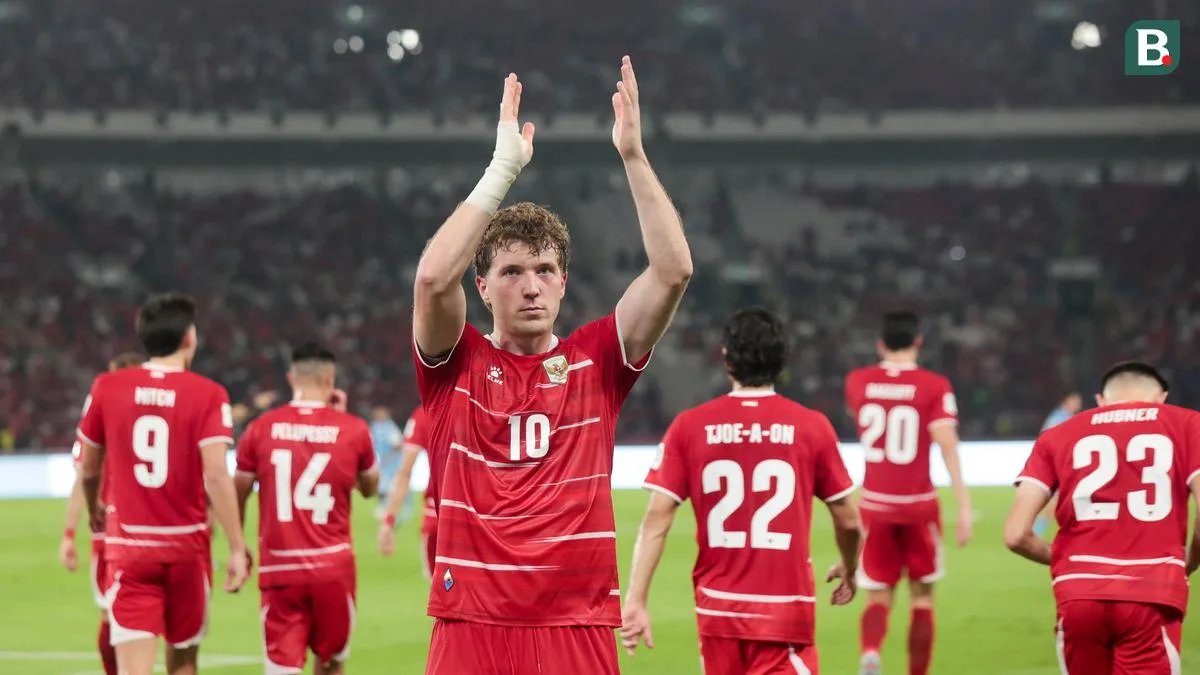
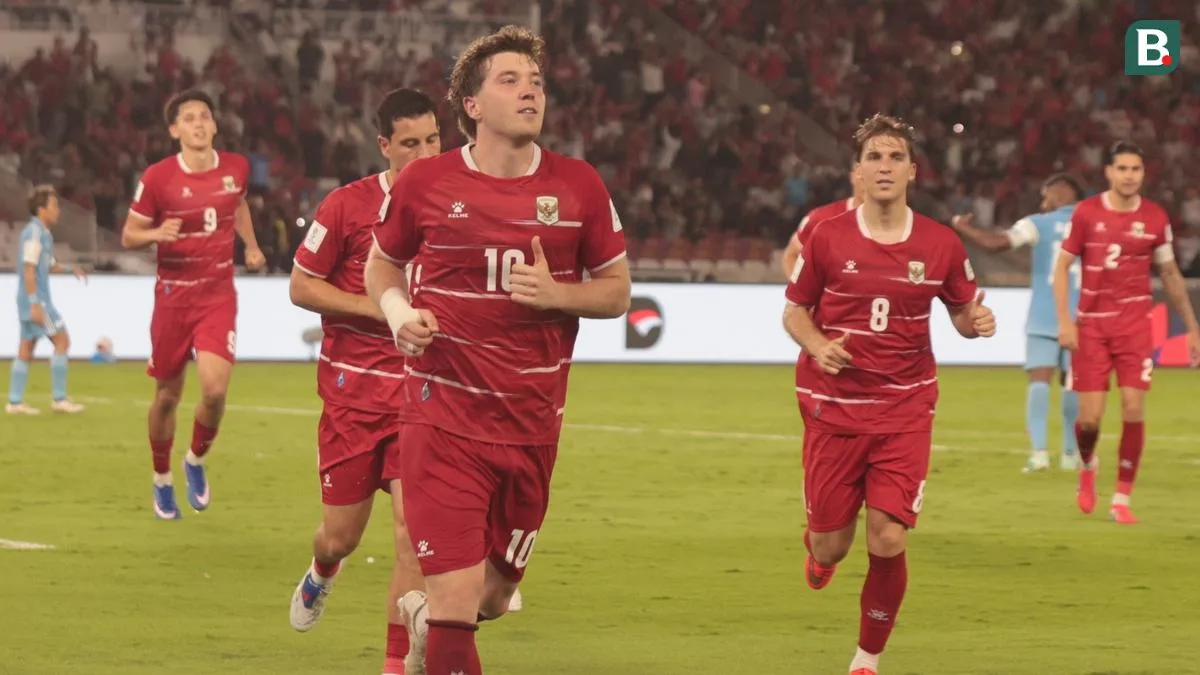
In the match held at Gelora Bung Karno Main Stadium, Jakarta, on Friday (25/9/2026) evening WIB, Herdman played eleven players all born abroad. Ten of them hold naturalized status, while Elkan Baggott chose to become an Indonesian citizen before the age of 21. Names such as Maarten Paes, Kevin Diks, Justin Hubner, Calvin Verdonk, Ragnar Oratmangoen, and Ole Romeny filled the list.
According to a review, this was the first time in the history of the Indonesia national team that it took the field without a single player born in the country. The fact triggered debate among observers and supporters, especially over the fate of local players who have long been the backbone of the team.
Herdman did not shy away from the controversy. In the post-match press conference, he stressed that his team selection was based purely on commitment and hard work, not on birthplace. "This is a lineup made up of people who want to represent this country and are willing to get on a plane, to work hard," he said. He also highlighted the fighting spirit, including 50-50 tackles and passion for the supporters, as something worthy of respect.
"In my view, local players are no different. There are no local players, no diaspora players. We are Indonesia. We represent the flag, we sing the national anthem, and we stand together at all times. This is the mindset we have to change."
— John Herdman, Indonesia national team coach
The statement implies an effort by Herdman to change the public's view of naturalization. For him, national identity is not determined by birthplace, but by the willingness to defend the Merah Putih. He even issued a challenge: the question of local or diaspora only becomes relevant if players start avoiding tackles or stop running.
In the second half, Herdman brought on five players, two of them Indonesia-born: Rayhan Hannan and Rizky Ridho. The move could be read as a signal that the door for local players remains open, though it does not necessarily quiet the criticism. A number of observers believe the dominance of naturalized players could erode the chances of academy and Liga 1 players to break into the senior squad.
The Indonesian context matters: naturalization has been a strategy to accelerate achievement in recent years. The federation and the government have invested heavily to bring in players of Indonesian descent who play in Europe. The results were visible in the win over Singapore, but they also raised questions about the sustainability of youth development. If the starting XI continues to be dominated by the diaspora, what will become of local players fighting in the domestic competition?
Herdman appears to want to bridge the two poles. He stressed that all players, whatever their origin, are Indonesians who enjoy playing for the supporters. But rhetoric alone is not enough. The public will judge by the team composition and the minutes given to local players in the matches ahead.
Going forward, the real test is not only about winning or losing, but how Herdman manages the team's identity transition. Will he continue to rely on naturalized players, or give more room to local talent? The answer will shape the direction of Indonesian football in the years to come.