Australian Plovers: Seen as Pests, Yet a Mirror of Human Life with Wildlife
Baca dalam 60 detik
- Burung plover bersayap taji di Maroubra, Sydney, kembali gagal menetaskan anak selama tiga musim berturut-turut, memicu diskusi tentang koeksistensi manusia-satwa di perkotaan.
- Konflik antara warga dan burung yang agresif saat musim kawin mencuatkan pertanyaan tentang desain kota yang ramah satwa dan penegakan aturan perlindungan.
- Kisah ini menyoroti tekanan terhadap satwa urban di tengah merebaknya wabah flu burung H5N1 yang telah menewaskan banyak burung di Australia.
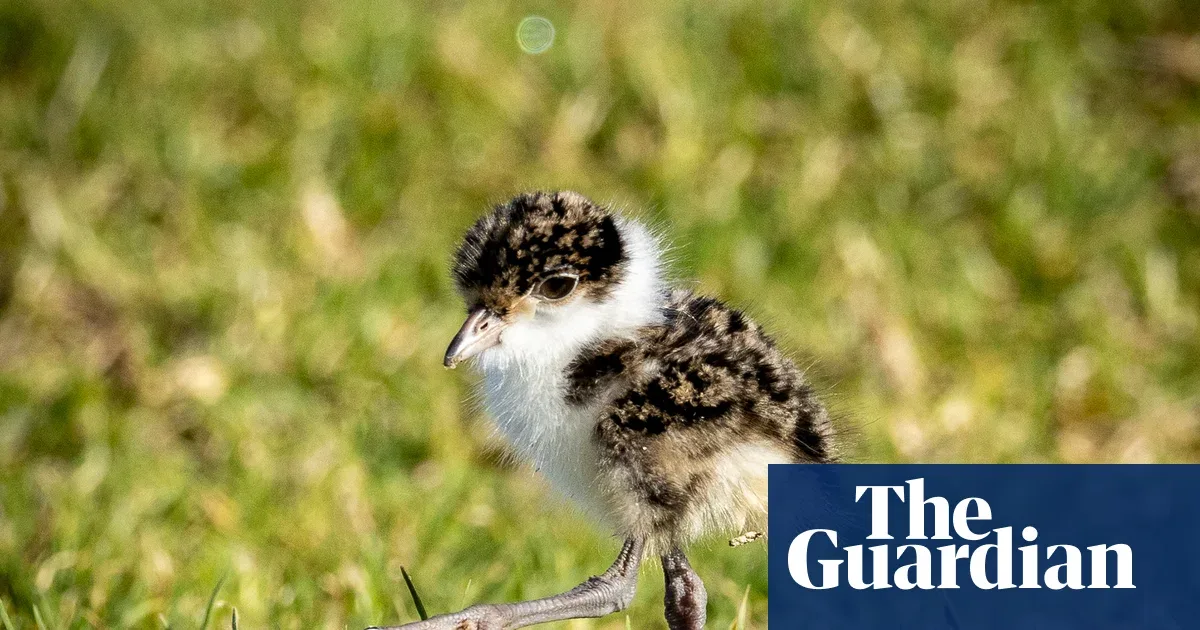
On a rocky headland above a popular tidal pool in Maroubra, southeastern Sydney, a pair of masked lapwings lost their two newly hatched chicks again in early September. The event marks the third consecutive breeding failure at the same site, highlighting the challenges of wildlife survival in an urban environment dense with human activity.
The chicks hatched from speckled brown eggs laid in a shallow scrape in the ground. Within hours, they were already running about on long, stilt-like legs, their tiny brown-and-white bodies looking frail in the wind. Their parents, with black crowns and striking yellow masks on either side of the bill, were always on alert. They took turns attacking anyone—human, dog, or drone—deemed a threat, with their distinctive "kekekekekekekek" warning call.
For some residents, the plovers' aggressive behavior during breeding season is simply annoying. Some passersby have been seen cursing and shooing the birds away when they swoop. Yet for others, their tenacity in protecting their family invites sympathy. A local resident who watches the plover family every morning and evening said he admired their courage, especially amid grim news of mass bird deaths from the H5N1 avian flu sweeping Australia.
Plovers, also known as masked lapwings, are commonly found in northern, central, and eastern Australia. These long-legged birds usually inhabit mudflats, swamps, beaches, and grasslands, but are also often seen in urban areas. Their wings are equipped with yellow spurs used to attack intruders during the breeding season. Both males and females share the task of building the nest—a shallow scrape in the ground—and take turns incubating the eggs. In cities, their nests can be on playgrounds, road medians, even rooftops.
The nesting site on the Maroubra headland offers sweeping ocean views and open grassland, ideal for raising chicks. But the risks are also high: dogs, cats, foxes, birds of prey, cars, and steep cliffs dropping into the sea. In the previous two seasons, all the plover chicks died, some run over by cars just days before they could fly. This year, local residents and volunteers from Wires, Australia's largest wildlife rescue organization, put up signs around the nest, reminding dog owners to keep their pets leashed and warning of heavy fines for harming native wildlife. But compliance has been uneven.
When the plover chicks disappeared about a week after hatching, a Wires volunteer confirmed no one had seen them. "I think we've lost them again," she said. The parent plovers then vanished from the headland. Are they grieving? Studies of non-human animals show responses to death, such as humpback whales tending to their dead calf off the Gold Coast, orcas carrying their dead calves for weeks, elephants visiting the bones of relatives, and crows gathering around the carcass of their own kind.
Now, the pair of plovers has returned to the headland. With no chicks to protect, they have become shy and avoid humans, no longer attacking. The Wires signs still stand like tombstones. Why don't they move to another site after repeated tragedy? The question hangs in the air, but perhaps it is wiser to ask how humans can live more harmoniously with the wildlife around us.
The story of the Maroubra plovers is not just a local note. In Indonesia, conflicts between wildlife and humans are also common, for example with the Bali starling threatened by illegal trade, or long-tailed macaques in tourist areas. Rapid urbanization often erodes habitat, forcing wildlife to adapt or go extinct. Meanwhile, the H5N1 avian flu outbreak spreading in Australia is a reminder that wildlife health is closely tied to human and environmental health—the increasingly relevant One Health concept.
"I will keep coming to check on plover chicks that may hatch in the future, however futile," wrote the local observer, reflecting a determination to keep caring.
Going forward, the biggest challenge is not only protecting charismatic species, but also changing how we view wildlife deemed a nuisance. Wildlife protection regulations in urban areas, enforcement of rules, and public education are key. Can our cities become shared living spaces, not only for humans, but also for plovers and other remaining wildlife?