Discord Begins Automatic Age Verification, 90% of Users Need Do Nothing
Baca dalam 60 detik
- Discord mengaktifkan sistem verifikasi usia yang menganalisis aktivitas, server, dan game yang terhubung, tanpa memeriksa isi pesan atau panggilan.
- Sekitar 90% pengguna diprediksi tidak terdampak, namun pengguna yang salah klasifikasi dapat mengajukan banding melalui pengaturan akun.
- Langkah ini menyusul tekanan regulasi di Texas dan berpotensi memengaruhi kebijakan platform global, termasuk Indonesia.
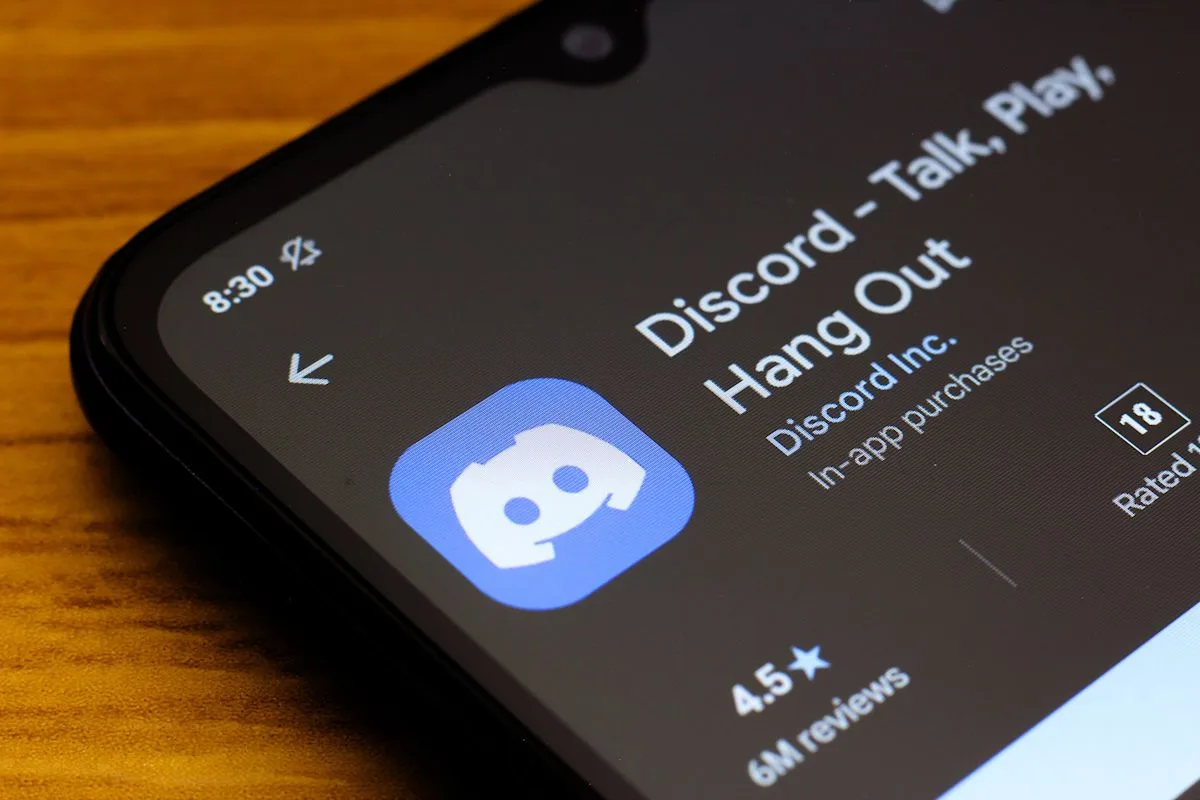
Discord has officially rolled out an age verification system based on estimating user activity, a step that had previously been postponed following a wave of privacy-related protests. The company claims that nine out of ten users will not notice any change, but those detected as underage will face restrictions on access to adult-specific content and spaces.
Instead of scanning faces or requiring ID uploads, Discord uses indirect signals: daily activity levels, the types of communities and servers followed, the list of games linked to the account, and the age of the account itself. The company stresses that no messages, voice calls, or personal content are analyzed in this process. Users can check the age group assigned to them through the User Settings > Account Status menu.
For adult users, there is no functional change. Teenagers can still send messages, join voice calls, and access unrestricted servers. However, content flagged as adult-only will be blocked, and additional protections are applied when unfamiliar accounts try to contact teenage users. Discord states that this mechanism is designed to prevent online predators from approaching children on the platform.
"We want to ensure that the gaming and social experience remains safe without sacrificing privacy," a Discord representative said in the official announcement, adding that the company aims to get ahead of age verification laws emerging in various US states.
The policy comes after Discord announced a similar plan in early February, then postponed it following sharp criticism. The main criticism targeted face estimation and identity upload methods, which were seen as prone to data misuse. Now, Discord offers more privacy-friendly alternatives, such as verification via credit card, integration with app stores, Google's digital wallet, or AgeKey credentials. Nevertheless, some privacy advocates remain wary of the potential normalization of behavior-based age monitoring.
Discord's move is not merely a response to public pressure, but also a strategy for dealing with an increasingly strict regulatory landscape. Texas has mandated age verification for social media platforms, and other states as well as the European Union are expected to follow. By starting early, Discord hopes to shape an industry standard that is not too burdensome for users or platform operations.
For Indonesia, this development deserves attention. The Ministry of Communication and Information Technology is drafting rules on personal data protection and digital content that could adopt a similar model. If domestic regulation mandates age verification, platforms such as Discord, WhatsApp, or Instagram would have to adjust their systems. The impact could be felt on teenage users' freedom of expression, but it could also help suppress online child exploitation cases that have so far been difficult to handle.
Going forward, the question is no longer whether age verification will become the norm, but how accurate and fair automatic systems like Discord's are. If activity-based estimation misreads someone's age, users can lose access to legitimate communities. Discord promises to provide an appeals mechanism, but its effectiveness has yet to be tested. The public and regulators need to watch whether this step truly protects children or instead creates new barriers to privacy and digital inclusion.