Pilatus PC-12 Pro Receives Emergency Autoland Certification from FAA and EASA
Baca dalam 60 detik
- FAA dan EASA resmi mensertifikasi sistem Garmin Emergency Autoland pada pesawat turboprop Pilatus PC-12 Pro.
- Teknologi ini memungkinkan pendaratan otomatis penuh saat pilot tiba-tiba tidak mampu mengendalikan pesawat, dengan kemampuan komunikasi dan shutdown mesin mandiri.
- Sertifikasi ini memperluas adopsi autoland di aviasi umum dan berpotensi menjadi standar baru keselamatan penerbangan, termasuk di Indonesia.
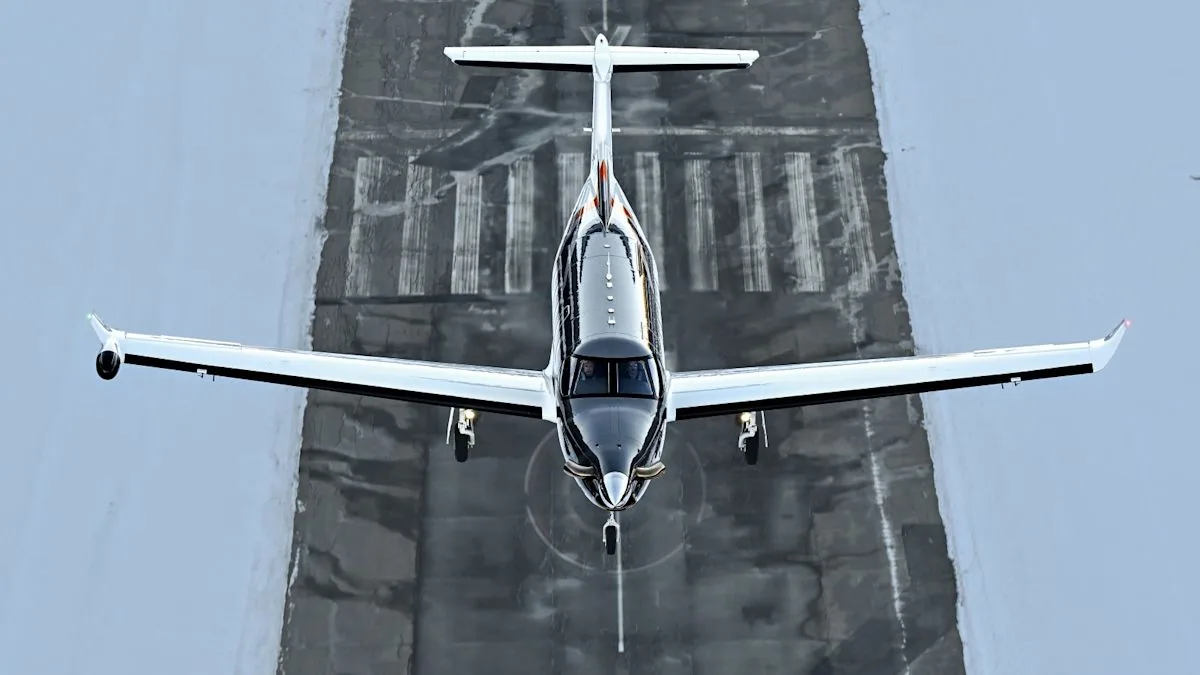
Pilatus announced that the Garmin Emergency Autoland system—which the manufacturer calls Safety Autoland—has received certification from the US Federal Aviation Administration (FAA) and the European Union Aviation Safety Agency (EASA) for the PC-12 Pro aircraft. The certification marks a step forward in the adoption of automatic landing technology on single-engine turboprop aircraft, which have long been considered limited in terms of system redundancy.
The PC-12 Pro, introduced in March 2025, is the latest variant of the PC-12 family, which has long been known for its solid safety record. Its main differentiator lies in an entirely new cockpit with a Garmin G3000 Prime integrated flight deck customized for Pilatus. The Aircraft Owners and Pilots Association (AOPA) in 2025 called it "the most advanced cockpit ever fitted to a single-engine turboprop."
Previously, PC-12 Pro units delivered to customers had not activated the Safety Autoland feature because it was awaiting certification. Now, after extensive testing in final certification flights, the capability can be activated. However, the feature remains unavailable in regions that have not granted certification.
The Garmin Emergency Autoland system—winner of the 2020 Collier Trophy—is designed to handle emergency situations when the pilot suddenly becomes incapacitated, for example due to a medical issue or loss of cabin pressure. The system can be activated by anyone on board, including passengers, and the pilot can take back control at any time. If cabin depressurization occurs at altitude, Emergency Descent Mode will activate first, and Autoland will take over if the pilot does not respond after the aircraft descends to a safer altitude.
In addition to Autoland, the PC-12 Pro is also equipped with various advanced avionics features such as Garmin SurfaceWatch, Emergency Descent Mode, Emergency Return, Autothrottle, Synthetic Vision Technology, Smart Glide, GWX 8000 Digital Weather Radar, and Pilatus' Cursor Control Device. Improvements were also made to the Stall Warning and Protection and Electronic Stability and Protection systems. The aircraft uses a PC-24-style yoke and a Pratt & Whitney Canada PT6E-67XP engine with an Electronic Engine and Propeller Control System (EPECS), the same as the PC-12 NGX. The Direct Vision cockpit windows were removed to improve exterior visibility.
The presence of Autoland on the PC-12 Pro reinforces the trend of adopting autonomy in general aviation. This technology not only improves safety but also paves the way for aircraft operations without a standby pilot. In Indonesia, where pioneer flights and the general aviation sector are growing, such a capability could be an added value, especially for medical evacuation missions or flights in remote areas with limited infrastructure. However, regulatory challenges and the readiness of navigation infrastructure remain unfinished business.
"This certification is proof that autoland technology is no longer a future concept, but a real solution for improving flight safety," said a Pilatus representative in the official announcement.
With more aircraft adopting Autoland, the question is no longer whether this technology will become standard, but how quickly regulators in various countries—including Indonesia—will adapt appropriate certification frameworks. If this trend continues, it is not impossible that within the next decade, automatic landing will become a mandatory feature on small and medium-sized aircraft, fundamentally changing the landscape of flight safety.