At 90, This Japanese Bodybuilder Wins Again: His Secret Isn't Supplements
Baca dalam 60 detik
- Toshisuke Kanazawa, 90 tahun, meraih gelar nasional ke-19 di Jepang Masters Bodybuilding Championships, sehari setelah ulang tahunnya.
- Gaya hidup disiplin tanpa alkohol, rokok, daging, dan ikan menjadi kunci kebugarannya di usia senja.
- Kisahnya menantang stigma penuaan di Jepang dan memberi pelajaran tentang olahraga lansia di Indonesia.
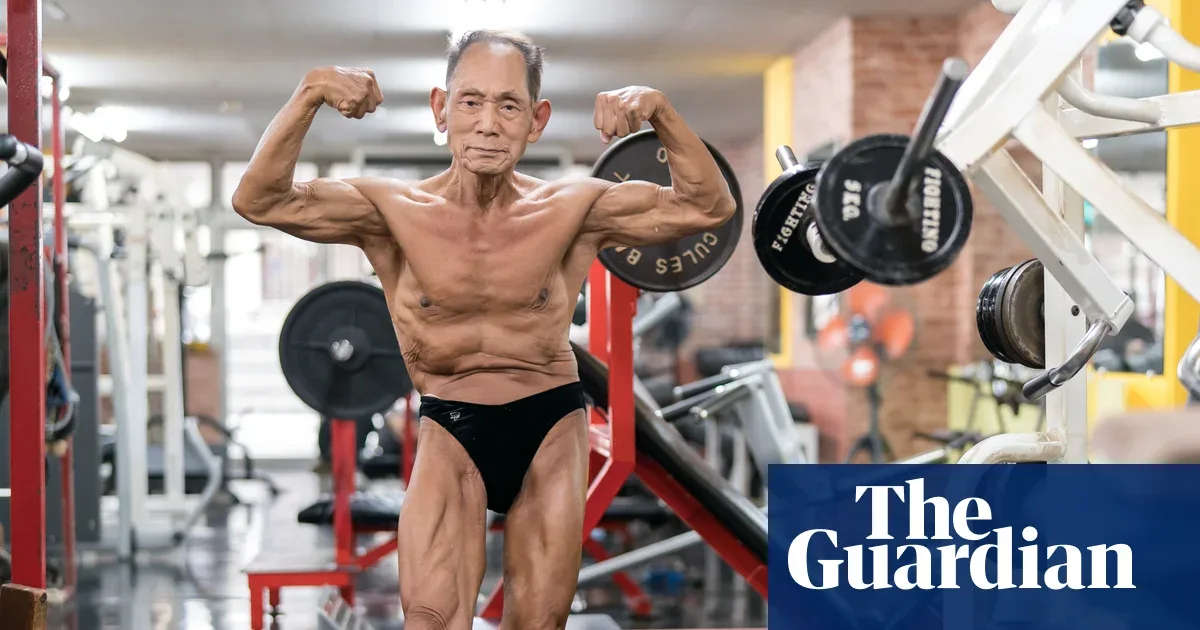
Japanese bodybuilder Toshisuke Kanazawa has just added to his title collection, bringing it to 19 national trophies, only a day after celebrating his 90th birthday. The man who runs a fitness center in Hiroshima insists he has no intention of retiring from the competition stage.
Kanazawa says he can still do pull-ups and leg presses with weights that make many people half his age envious. "I'm 100% natural," he said, dismissing the notion that his achievements come from performance-enhancing substances. He says he has never smoked or consumed alcohol, and gave up meat and fish decades ago.
His diet is simple: brown rice topped with furikake, natto, and miso soup mixed with a few raw eggs. He has also cut his protein shake consumption from six to three servings a day because his digestion is no longer what it used to be. "I do what is best for my body at this age," he said.
Kanazawa's journey has not always been smooth. Born in Shimane Prefecture in 1936, he was initially a strong 1500-meter freestyle swimmer. His Olympic dream faded due to a muscle problem. He then switched to bodybuilding, even though his father doubted the choice. For five years, he lived alone, trained six hours a day, and relied on simple meals from his mother. Money from odd jobs delivering electrical equipment went toward milk and cheese.
At 24, he kept a promise to his parents by winning Mister Japan, a title he retained three years later. After retiring in his mid-30s, Kanazawa returned to competition at 50 to encourage his chronically ill wife. Seven years later, he won a masters championship. "That was my physical peak," he recalled.
"Older Japanese people do extraordinary things, but I worry that too many give up on what they did when they were young. I want to be a bodybuilder until I die."
— Toshisuke Kanazawa
Kanazawa's story stands in contrast to the narrative of Japan's super-aging society, often associated with depopulation, economic decline, and the burden of health care costs. Nearly 30% of Japan's 123.7 million people are over 64, and the number of centenarians exceeds 100,000, almost 90% of them women. Yet senior athletes such as Kanazawa, footballer Kazuyoshi Miura (59), swimmer Shoko Yonezawa (91), and sailor Kenichi Horie (88) show that age is not always a barrier.
For Indonesia, which is beginning to enter a phase of population aging, Kanazawa's story offers a different perspective. Data from the Central Statistics Agency shows about 10% of Indonesia's population was over 60 in 2023, and that figure is projected to keep rising. So far, elderly health programs have focused more on treating disease than on prevention through structured exercise. In fact, regular physical activity can reduce the risk of degenerative diseases and maintain elderly independence.
Kanazawa himself does not deny that his body needs longer recovery time. He has reduced free-weight training and switched to machines. "I can no longer do squats or bench presses," he admitted. Yet his spirit has not faded. This month, he even placed fourth in the mixed pairs category of the Japan Open Championships with Asuka Miyamae, who is 39 years younger.
Going forward, the question is not only whether Kanazawa will add more titles, but how society—including Indonesia—responds to a wave of older people who remain active and productive. If a nonagenarian can maintain muscle and win championships, why do many other elderly people give in to limitations?