Sharon Stone at Variety Power of Women: From Sex Symbol to Women's Rights Advocate
Baca dalam 60 detik
- Sharon Stone menerima penghargaan atas advokasi hak perempuan dan filantropi di Variety Power of Women.
- Ia menegaskan bahwa kekuatan perempuan terletak pada peran sehari-hari yang sering diabaikan.
- Kiprahnya di Euphoria dan perjalanan karier dari Basic Instinct menjadi sorotan dalam acara tersebut.
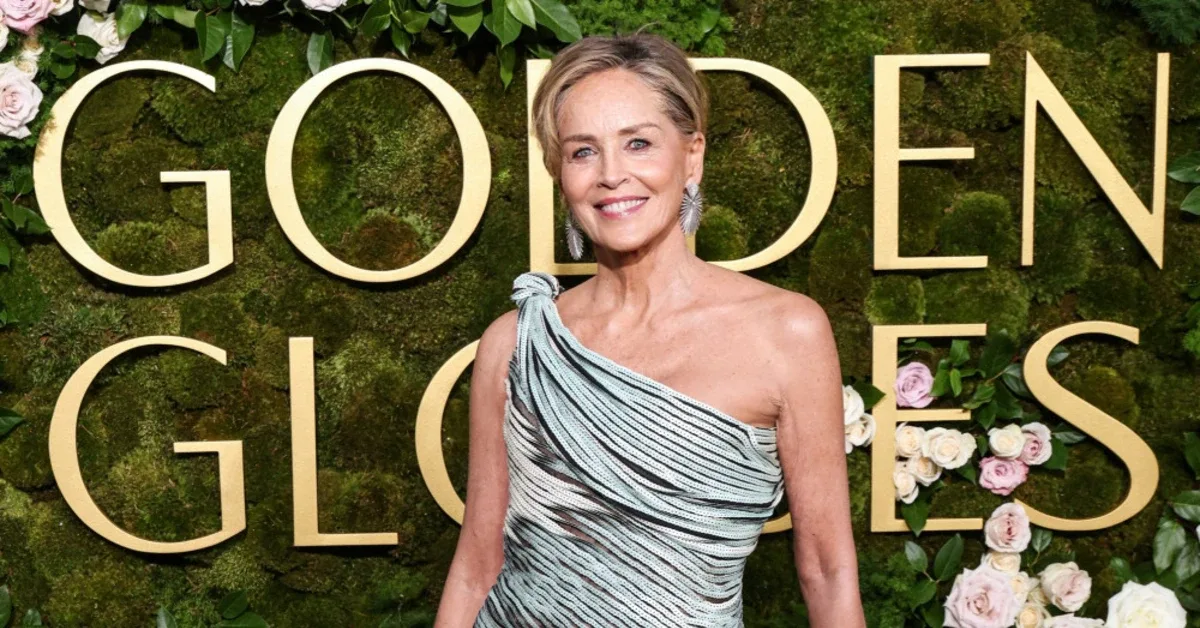
Veteran Hollywood actress Sharon Stone once again drew public attention after receiving the prestigious Variety Power of Women award at the Beverly Hills Hotel, Los Angeles, this week. The award was given for her dedication to fighting for women's rights and her philanthropic work, particularly her support for the American Civil Liberties Union (ACLU).
At the event hosted by comedian Iliza Shlesinger, Stone not only spoke about her career achievements but also highlighted the fundamental role of women in everyday life. According to her, women's power often goes unnoticed because it is embedded in routines considered ordinary, such as raising children, managing households, and making consumption decisions.
“Women make almost all the basic choices in this life. That is extraordinary power and influence,” Stone said on stage, as quoted by Page Six. She encouraged women to use that power with compassion and responsibility, and to support one another.
Stone's journey from a film star closely associated with the “sex symbol” image to a spokesperson on women's issues became one of the compelling narratives at the event. She described herself as a “product of the American dream,” referring to her modest family background—her father worked in a factory in Pennsylvania. Stone asserted that she managed to survive in the harsh entertainment industry by staying grounded, even though she had to walk on concrete floors in four-inch heels.
“I have come a distance from a sex symbol... and I did it by keeping these two tired feet firmly planted on the ground,” she said, adding that she never felt she stood alone because she was among other strong women.
Stone's return to the screen through the third and final season of the HBO series Euphoria also drew attention. She plays Hollywood producer Patricia Lance in five episodes, joining young stars such as Zendaya and Sydney Sweeney. This move marks Stone's adaptation to an entertainment industry increasingly dominated by streaming platforms, while also showing that senior actresses remain relevant in the global market.
For Indonesia, Stone's story highlights how gender equality and women's representation in media remain unfinished business. Domestically, the national film and entertainment industry faces similar challenges: how women who have long worked in the field can continue to be given space, not merely as symbols, but as agents of change. Stone's advocacy through the ACLU is a reminder that celebrity power can be directed toward pushing more inclusive policies, including in Indonesia, which is still fighting for the Gender Justice Bill.
Going forward, the question is how far Hollywood stars like Stone can inspire younger generations not to be trapped by narrow labels, but instead to use their platforms for broader social change. With more women in leadership seats in the creative industry, will the “sex symbol” image slowly be replaced by a more substantive narrative of strength?