AMD Radeon 6700 XT: A Desktop GPU with Performance on Par with Xbox Series X?
Baca dalam 60 detik
- Xbox Series X dan Radeon 6700 XT sama-sama mengusung arsitektur RDNA 2, tetapi jalur desainnya berbeda: konsol memakai chip semi-kustom, GPU desktop mengandalkan fleksibilitas PC.
- Perbandingan spesifikasi tidak serta-merta menentukan pemenang karena optimasi di konsol jauh lebih dalam, sementara PC harus menghadapi beragam konfigurasi perangkat keras.
- Bagi pasar Indonesia, pemahaman ini penting untuk memilih antara konsol atau PC rakitan dengan anggaran yang efisien, terlebih dengan hadirnya teknologi seperti Smart Access Memory.
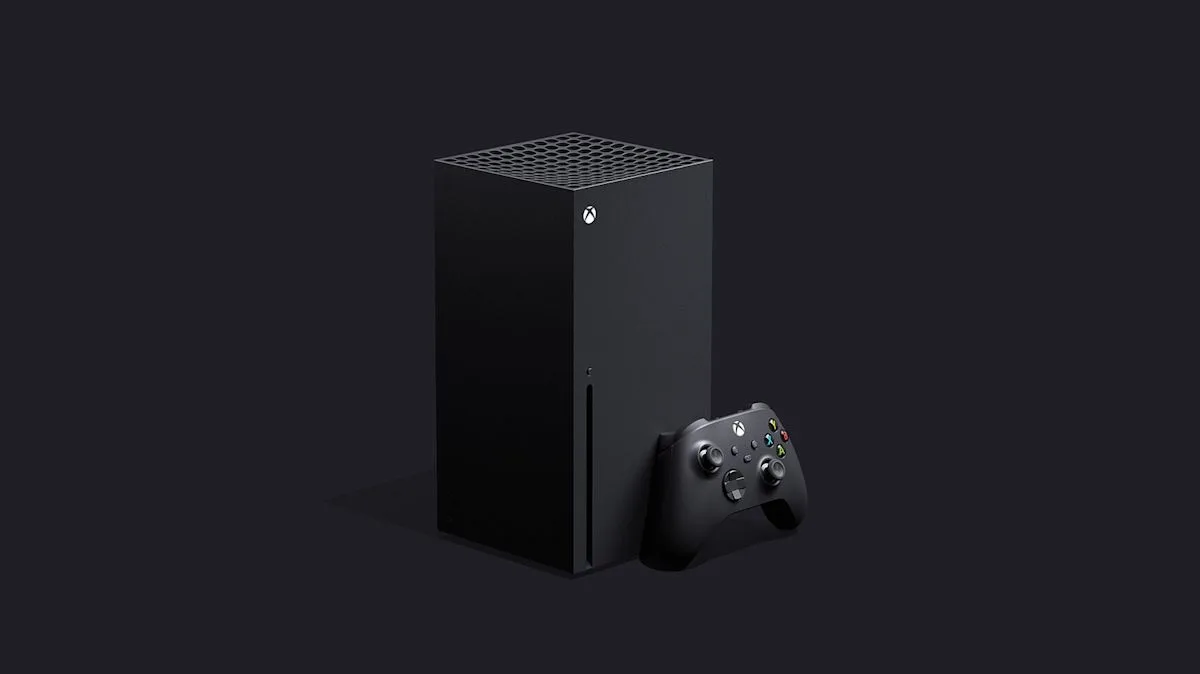
The Xbox Series X and AMD Radeon 6700 XT are often said to have comparable performance, even though the two come from different ecosystems. The ninth-generation console uses a semi-custom system-on-chip (SoC) based on the Zen 2 and RDNA 2 architectures, while the 6700 XT is a freely sold desktop GPU. The question is, how close are the two in reality?
In terms of specifications, the Xbox Series X carries 52 RDNA 2 compute units (CU) at a clock of 1.825 GHz, producing around 12 TFLOPS. The Radeon 6700 XT has only 40 CU, but its clock is much higher: 2,321 GHz (game clock) and can boost up to 2,581 GHz. With that clock, the 6700 XT can reach 12.4 TFLOPS theoretically, even up to 13.21 TFLOPS when boosting. The difference in CU count and clock speed shows a different approach: the console relies on parallelism, the desktop GPU relies on frequency.
However, numbers on paper do not tell the whole story. The Xbox Series X uses 16GB of GDDR6 memory shared between GPU, CPU, and system, with a unified architecture and asymmetric bandwidth. Conversely, the Radeon 6700 XT has 12GB of VRAM dedicated to the GPU, but must share data with the CPU and RAM through a PCIe bus that adds latency. This difference in memory architecture makes direct comparison complicated.
Another determining factor is optimization. A console has a single hardware target, so developers can write code close to the metal with minimal overhead. On PC, API layers such as DirectX or Vulkan, the operating system, and drivers add complexity. This is why games on consoles often run more smoothly even when their specifications are equivalent to a mid-range PC.
"Comparing a desktop GPU with a console is a gray area. Technical specifications cannot be a one-to-one benchmark because consoles get deep optimization," that is the gist of the explanation in the SlashGear article cited by Yahoo Tech.
Even so, the gap between PC and console is starting to narrow. Features such as AMD's Smart Access Memory (SAM)—an implementation of Resizable BAR—allow the CPU to access the GPU's entire VRAM, mimicking the console's unified memory architecture. As a result, efficiency and frame rate increase. This technology is already supported by Ryzen 5000 and above processors and Radeon RX 6000 GPUs, including the 6700 XT.
On the other hand, consoles like the Xbox Series X use a locked clock, so they cannot be overclocked. Conversely, the Radeon 6700 XT has a manufacturer boost clock and can still be pushed further depending on power and cooling. This flexibility is what makes PC attractive to some gamers.
For Indonesian consumers, the choice between a console and a built PC often comes down to total cost of ownership. The Xbox Series X sells for around Rp7–8 million, already including a controller and 4K capability. Meanwhile, a PC with equivalent performance—for example a Ryzen 5 5600X plus Radeon 6700 XT—can cost Rp12–15 million, not including a monitor and accessories. However, a PC offers flexibility for work, gradual upgrades, and access to pirated games (though this is ethically and legally questionable).
The Indonesian GPU market is also marked by unstable stock and prices that sometimes spike due to the dollar exchange rate. Consoles like the Xbox Series X and PlayStation 5 are easier to find at official retailers at fixed prices, though they often have to be bought in bundling packages. On the other hand, the PC community in Indonesia is growing rapidly, with many assembly shops offering custom configurations to fit any budget.
Going forward, the line between console and PC is predicted to blur further. Rumors about Project Helix—the next-generation Xbox console—suggest that the device may be nothing more than a PC by another name. Valve is also reported to be working on a new Steam Machine. If this trend continues, the "console vs PC" debate may no longer be relevant. The question is, are Indonesian consumers ready for this shift, or will they just be more confused about what to choose?