Qualcomm Releases Snapdragon 8 Elite Gen 6: On-Device AI and 2nm, a Signal for 2027 Flagship Phones
Baca dalam 60 detik
- Qualcomm memperkenalkan Snapdragon 8 Elite Gen 6 dan Extreme Gen 6 dengan proses 2nm, CPU Oryon hingga 5GHz, serta modem X105 5G.
- Kedua chip menonjolkan AI lokal, grafis gaming berbasis AI, dan konektivitas Wi-Fi 8, menandai arah baru ponsel Android premium.
- Motorola Signature 27 menjadi perangkat pertama yang dikonfirmasi membawa chip ini, sementara Samsung Galaxy S27 kemungkinan menyusul.
Qualcomm officially launched its two latest mobile chipsets, Snapdragon 8 Elite Gen 6 and Snapdragon 8 Elite Extreme Gen 6, at an event in Hawaii. The move underscores the San Diego-based company's ambition to cement its position in the Android premium phone market, while also answering the trend of artificial intelligence increasingly shifting to devices.
Both chips are manufactured with a 2 nanometer process, a leap from the previous generation that still used a 3nm node. This approach is claimed to significantly boost performance without an equivalent spike in power consumption and heat. Qualcomm embeds an Oryon CPU that can reach 5GHz, a Hexagon NPU for AI tasks, a new generation of Adreno graphics, an X105 5G modem, and a FastConnect 8800 connectivity system supporting Wi-Fi 8, Bluetooth, ultra-wideband, and Thread.
The main difference between the two variants lies in AI and graphics capabilities. The Snapdragon 8 Elite Extreme Gen 6 has a more powerful NPU, support for larger AI models, more graphics memory, and professional video features with sustained performance. The standard version still offers solid AI improvements, but with more moderate specifications.
For the Indonesian market, the arrival of this chip could influence the landscape of flagship phones officially sold in the country. Several brands such as Xiaomi, Oppo, and Vivo often release devices with the latest Snapdragon chipsets in Indonesia, though frequently several months after the global launch. If this pattern continues, Indonesian consumers can expect phones with the Snapdragon 8 Elite Gen 6 to arrive in late 2026 or early 2027, with premium prices that may exceed Rp15 million.
Qualcomm emphasizes that on-device AI is the main focus. With a stronger Hexagon NPU, phones can run AI models locally to summarize documents, understand conversations, edit photos according to preferences, and coordinate tasks across applications. This approach not only speeds up responses but also preserves privacy because data is not always sent to the cloud. However, Qualcomm cautions that privacy still depends on the policies of applications and phone manufacturers.
"Local AI capabilities allow phones to respond faster, work without an internet connection, and store more information on the device," said a Qualcomm representative during a keynote session.
In the gaming sector, the Extreme Gen 6 brings Adreno Neural Fusion, which can render games at lower resolution and then sharpen them with AI, as well as generate additional frames for a smoother experience. Intelligent Pixel Control technology also allows the camera to recognize scene elements separately—faces, hair, skin, sky, food, and moving subjects—so photos look more natural, including real-time skin tone adjustments. Support for 8K 60fps video and 4K 240fps slow-motion completes the multimedia package.
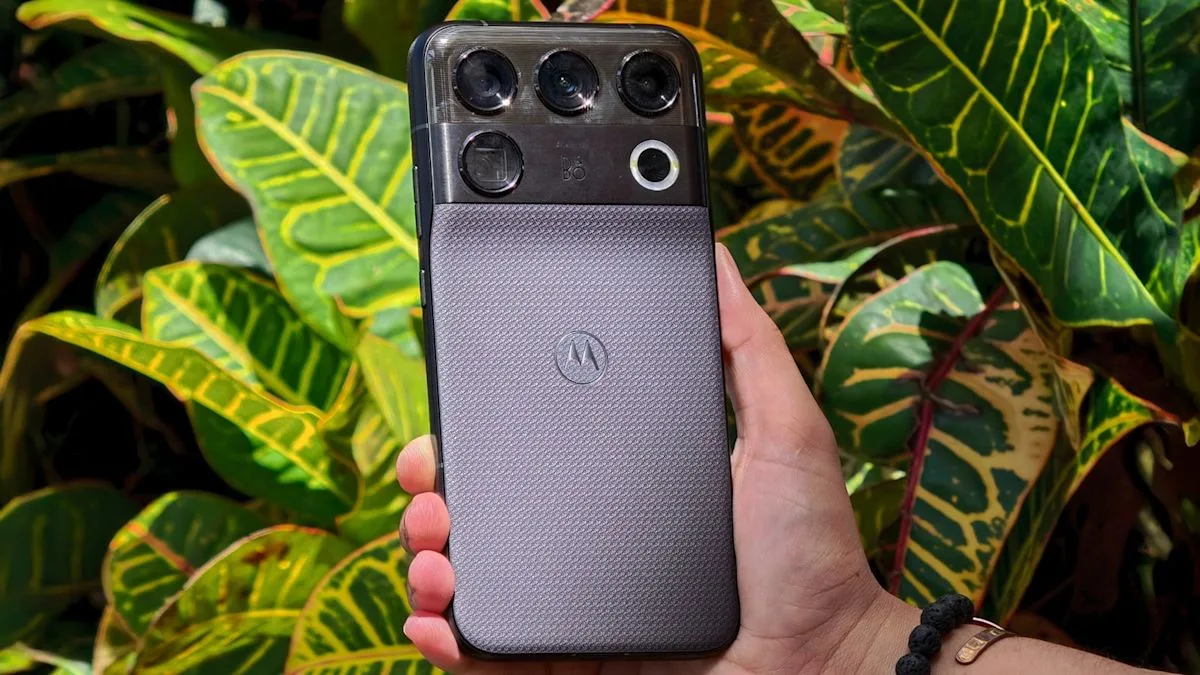
Even so, the final result depends heavily on manufacturer implementation. The Motorola Signature 27 is said to be the first device to use the Extreme Gen 6 and is predicted to be a serious challenger to Samsung, Google, and Apple. Samsung itself is expected to embed this chip in the Galaxy S27 series and Galaxy Z Fold/Flip 2027. For the Indonesian market, the arrival of these devices will be a test of whether Qualcomm's claims truly materialize in everyday user experience.
With the industry increasingly leaning toward AI and advanced connectivity, the question now is: how quickly are Indonesia's application and network ecosystems ready to make optimal use of this chip's capabilities?