Bangladesh Coach Admits Indonesia Too Strong: 'We Have No Chance'
Baca dalam 60 detik
- Thomas Dooley menyatakan Bangladesh nyaris tanpa harapan menghadapi Indonesia di laga pembuka FIFA ASEAN Cup 2026 di SUGBK.
- Ia membandingkan skuad Garuda saat ini dengan tim yang ia kalahkan 4-0 bersama Filipina pada 2014, menyoroti kehadiran pemain Eropa sebagai pembeda.
- Pernyataan ini menegaskan pergeseran kekuatan di Asia Tenggara, di mana Indonesia kini dipandang sebagai ancaman serius, bukan sekadar lawan setara.
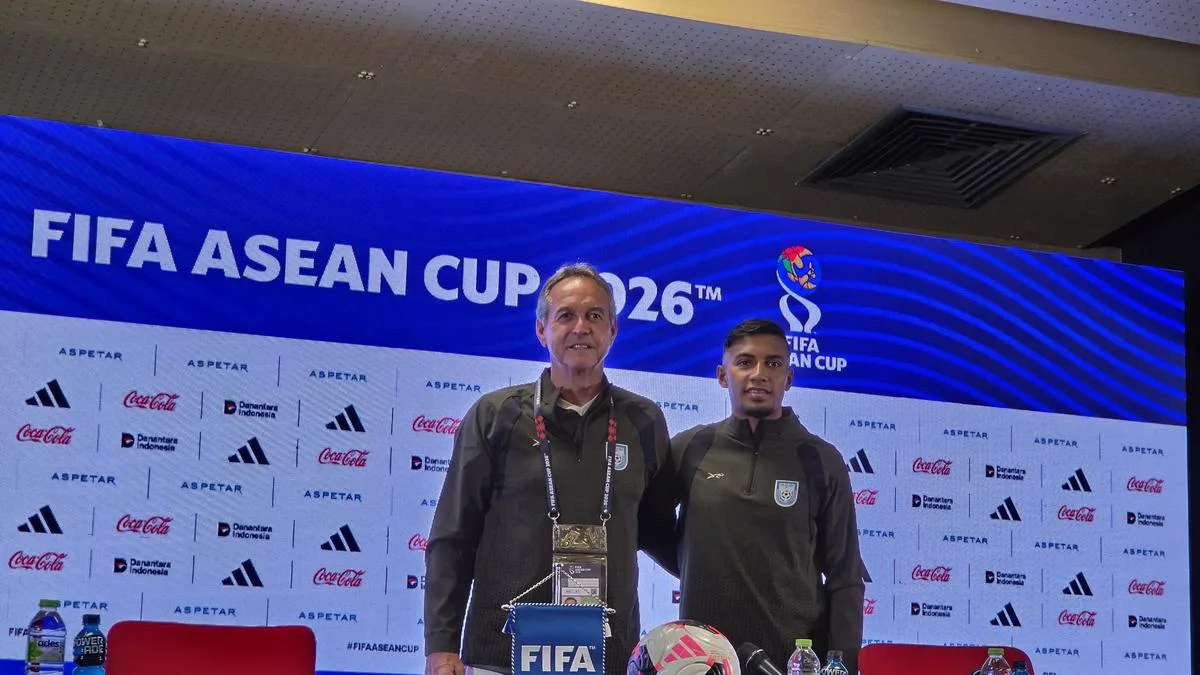
Bangladesh national team coach Thomas Dooley openly questioned his team's chances against Indonesia in the opening match of Group A of the FIFA ASEAN Cup 2026 at Gelora Bung Karno Main Stadium, Friday (25/9/2026). In a press conference in Jakarta, Thursday (24/9/2026), he said the Garuda squad is currently at a different level from what he faced a decade ago.
Dooley is not a new name in Southeast Asian football. He previously managed the Philippines from 2014–2018 and returned in 2022. With The Azkals, he recorded an impressive record against Indonesia: a 4-0 win at the 2014 AFF Cup in Hanoi and a 2-2 draw in 2016. However, those sweet memories stand in contrast to the reality he faces now.
"I was just talking to my captain about the match eight years ago. We won 4-0 and dominated the pitch. But now, I think we have no chance," Dooley said, citing that memory.
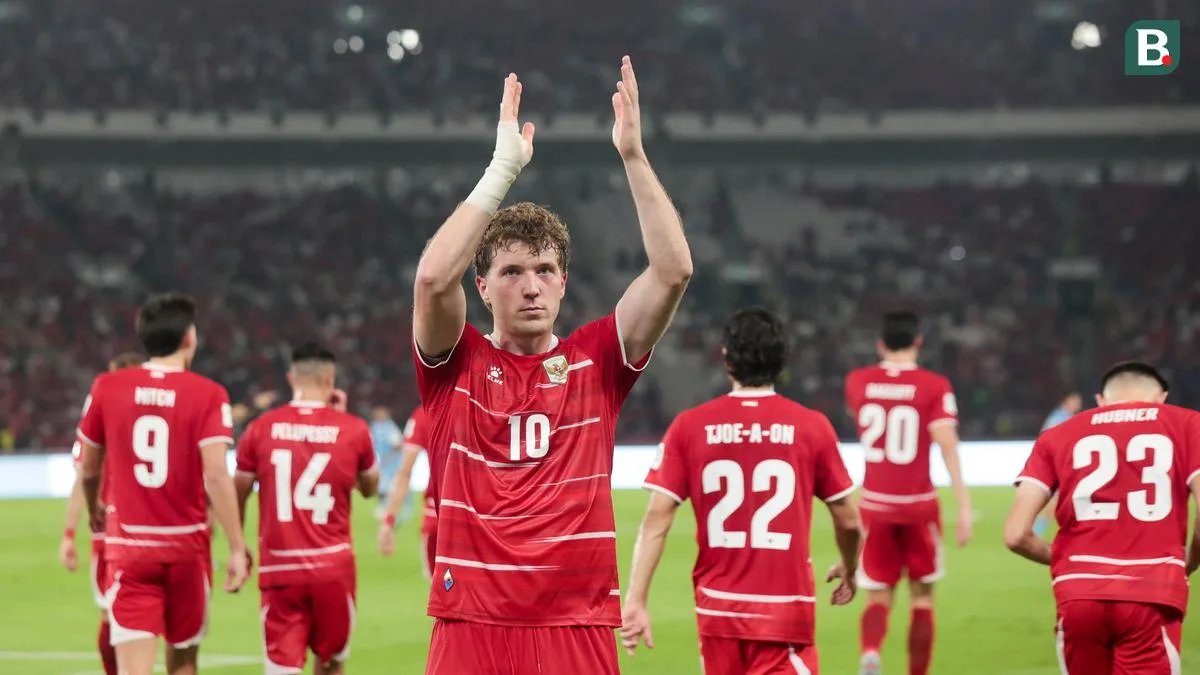
The American coach highlighted the transformation of the Indonesian squad, which is filled with many naturalized players plying their trade in European leagues, such as Kevin Diks, Emil Audero Mulyadi, and Calvin Verdonk. According to him, the presence of those players has significantly changed the landscape of the match. "They have players from the Netherlands, from Germany. This is a very different team," he added.
Dooley's statement is not merely a form of humility. It reflects a shift in power in Southeast Asian football. Indonesia, which in recent years has aggressively naturalized players of descent, is now seen as one of the dominant forces in the region. The presence of players of European caliber not only improves technical quality, but also competitive mentality and experience at a high level.
For Bangladesh, this match is a tough test. They come with underdog status and must face the pressure of the home crowd demanding a win. Dooley admitted that his team's preparation was not ideal, but he promised to deploy the best strategy to at least steal points. "We will play with discipline and try to make the most of every opportunity," he said.
On the other hand, the Indonesia national team coach, who has not given an official comment, is predicted to field his best formation. This match is also a proving ground for the naturalized players to show real contribution at the regional level. A win over Bangladesh will be valuable capital before facing tougher opponents in the group.
Indonesian context: For the domestic football public, Dooley's statement can be both a spur and a warning. High expectations for the Indonesia national team must be balanced with vigilance, because in football no team is truly without a chance. History records that Indonesia has lost to teams that were on paper weaker. However, with the current player material, failure to take full points will be considered a major disappointment.
This match will also be an indicator of how far the naturalization and youth development programs are running. If Indonesia can perform dominantly, its image as a new force in Southeast Asia will strengthen further. Conversely, if it struggles, questions will arise about the effectiveness of the strategy being implemented.
Going forward, the result of this match will affect the competitive map in Group A. A win will give confidence to the Garuda squad, while a loss could trigger psychological pressure. Will Indonesia be able to prove itself as the king of Southeast Asia, or will Bangladesh create a surprise like the one Dooley once pulled off with the Philippines? The answer will be seen on the green pitch.