Meta's Muse Surpasses ChatGPT in Early Stages, Signaling New Mobile AI War
Baca dalam 60 detik
- Aplikasi AI terbaru Meta, Muse, mencatatkan unduhan lebih tinggi dibanding ChatGPT pada 12 hari pertama peluncurannya di pasar Amerika Utara.
- Dominasi Muse tak lepas dari strategi cross-promotion Meta yang menghubungkannya dengan Facebook, Instagram, dan WhatsApp.
- Keberhasilan ini berpotensi mengubah peta persaingan asisten AI mobile, termasuk di Indonesia yang merupakan pasar besar bagi aplikasi Meta.

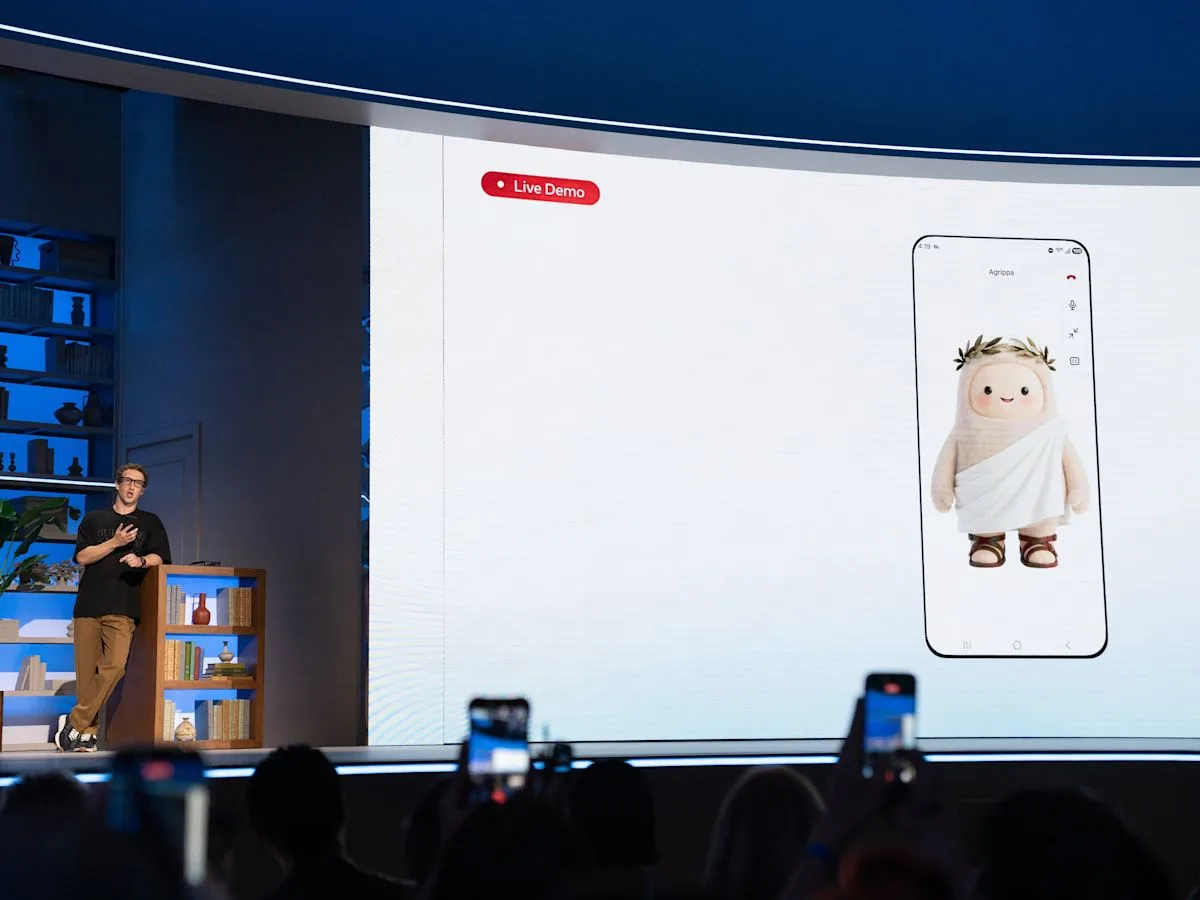
Meta's latest artificial intelligence application, Muse, has recorded an initial performance that surpasses ChatGPT. Data from market research firm Apptopia shows that within the first 12 days of its launch, Muse was downloaded more than ChatGPT during the same period after its debut. This comparison was specifically conducted for the United States and Canadian markets.
Apptopia noted that Muse successfully garnered 1.8 million downloads on iOS for the US and Canada regions, while ChatGPT only reached 1.3 million within an equivalent timeframe. Globally, Muse has been downloaded 2.8 million times in its first 12 days. This figure indicates that its growth rate has not slowed down; in fact, Muse now holds the top position in the US App Store, climbing from second place when it was first launched.
This comparison is not without caveats. When ChatGPT first arrived on mobile devices, it was only available on iOS and launched globally, whereas Muse is available on both iOS and Android but only for the US and Canada. To equalize the comparison, Apptopia limited its analysis to iOS data in both countries. Nevertheless, Muse still leads with 359,000 daily active users on iOS, higher than ChatGPT's achievement during the same period.
Muse's advantage is largely due to Meta's aggressive cross-promotional strategy. Previously, Meta successfully implemented this with Threads, which now boasts over 500 million users thanks to its integration with Instagram and Facebook. Muse is also connected to both platforms and can be used within WhatsApp, further increasing its growth potential. Apptopia notes that over 95% of Muse users are also Facebook users, and 63% of them are Instagram users.
"This data suggests that Muse could be Meta's most prominent new application," stated Apptopia, adding that these figures are third-party estimates and not Meta's internal data.
Meta itself has not yet released official figures regarding Muse's early adoption. However, if Apptopia's estimates are close to reality, this is a strong signal that Meta is capable of challenging OpenAI's dominance in the mobile AI assistant market. Competition in the consumer AI space is heating up, with Google, Microsoft, and several startups also vying to introduce increasingly intelligent and integrated applications.
For Indonesia, this development warrants close observation. Indonesia is one of the largest markets for Meta applications, with hundreds of millions of Facebook, Instagram, and WhatsApp users. If Muse eventually becomes globally available, including in Indonesia, its adoption potential is immense. This could accelerate AI penetration into daily life, from online shopping and customer service to education. On the other hand, the dominance of foreign platforms in the local AI ecosystem could pose a challenge for domestic developers to compete.
The question is, will Muse be able to maintain its momentum after the initial euphoria subsides? History shows that many viral applications experience a decline after their launch period. However, with the support of Meta's colossal ecosystem, Muse has a strong chance of becoming a major long-term player. What is clear is that competition in the mobile AI market is intensifying, and consumers worldwide, including in Indonesia, will be both spectators and determinants of this trend's direction.