Romesh Ranganathan Fails to Save 'Would You Rather' as Prime Video Cancels After One Season
Baca dalam 60 detik
- Prime Video memutuskan tidak melanjutkan Would You Rather setelah hanya satu musim tayang.
- Format yang mengandalkan influencer besar dinilai tidak mampu menarik perhatian penonton.
- Kegagalan ini menambah daftar tantangan bagi konten realitas berbasis selebritas internet di platform streaming.
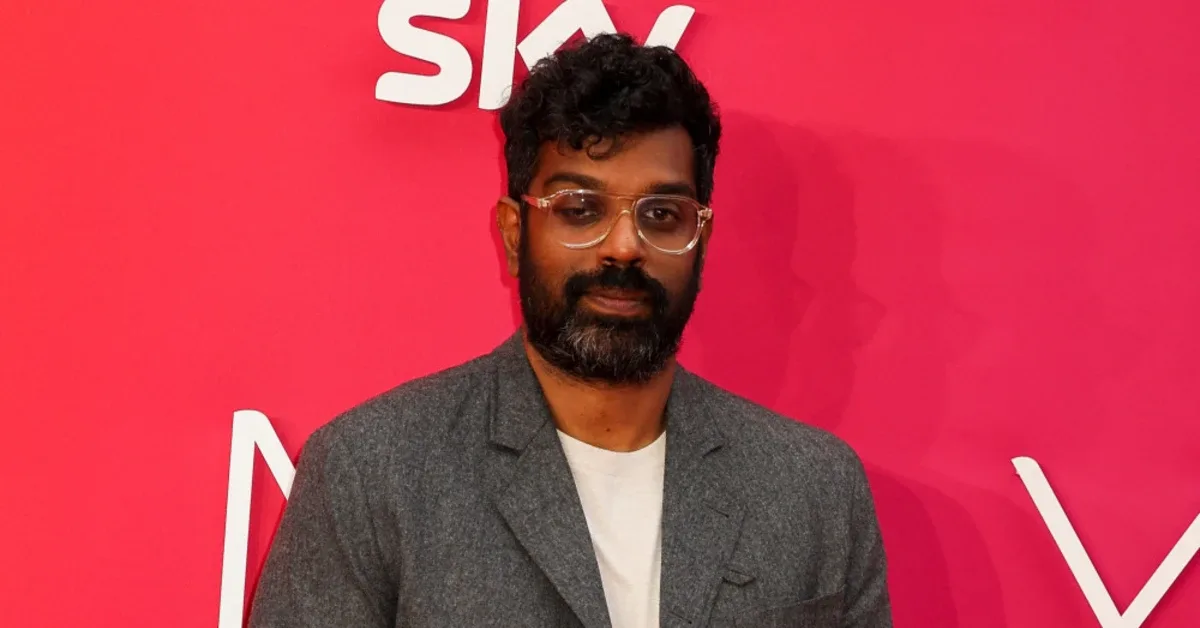
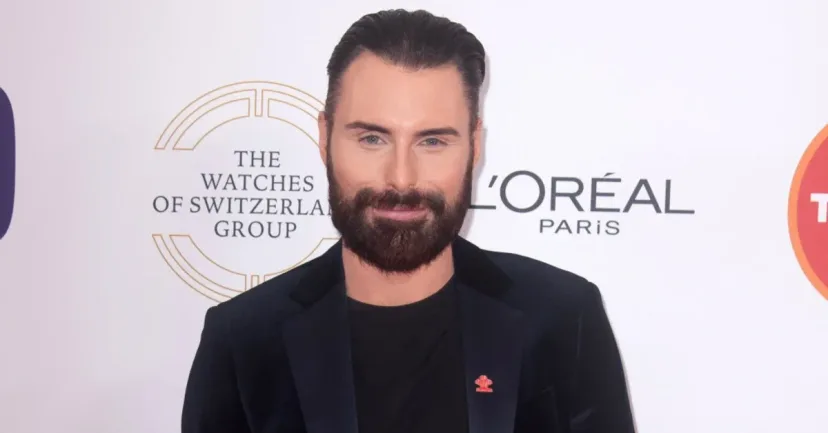
Prime Video has officially canceled Would You Rather, hosted by comedian Romesh Ranganathan, after just one season. The decision follows low ratings and disappointing reviews, even though the show featured well-known influencers such as Chloe Burrows and Nella Rose.
Would You Rather pitted contestants against extreme dilemmas that tested the limits of their abilities. But the combination of a game-show concept and influencer appeal apparently was not enough to captivate streaming audiences. An internal source cited by The Sun said Ranganathan is known as a host with the "golden touch" thanks to a string of successful programs across various channels, but this time that luck did not rub off on Would You Rather.
This failure is not the first for reality formats that rely on social media stars. Streaming platforms are becoming increasingly selective about retaining content that does not perform significantly, especially amid fierce competition for viewers' attention. Nevertheless, Ranganathan remains a force in the British entertainment industry, with a busy schedule on BBC Radio 2 and the quiz show The Weakest Link.
On another front, Ranganathan recently revealed the bitter experience his children faced at school. On the Wolf and Owl podcast with Tom Davis, he said his three sons—Alex (16), Theo (14), and Charlie (11)—had been targeted with racist language. "The kids have experienced racial abuse. Not a lot, not as much as I experienced, but there were comments. We had incidents," he said. He said one of his children was called a slur while walking at school.
"At some point you have to think, 'They clearly hear that at home.' So whenever I see or hear a child do that, the next time I see their parents, I think, 'You're racist.' And that's a terrible thing," Ranganathan said.
Ranganathan believes the parents of children who make racist remarks share responsibility. Although he acknowledges racism is terrible, he argues that overreacting gives power to the perpetrator. "If someone calls you a racial slur and it immediately triggers rage, that gives that person power over you. I'm not saying you shouldn't react, but I don't want my children to immediately lash out," he explained.
For Indonesia's entertainment industry, this case is a mirror showing that marketing strategies through influencers do not always guarantee a program's success. Local streaming platforms and content producers need to reconsider similar approaches, especially if they rely only on popularity without strengthening concept and execution. Meanwhile, the issue of racism raised by Ranganathan is also relevant to the challenges of diversity in Indonesian entertainment, which still often faces stereotypes and discrimination.
Looking ahead, will Prime Video change its reality content strategy, or become even more cautious about adopting similar formats? As for Ranganathan, although one of his projects has ended, he remains a vocal figure on social issues and continues to work across various channels.