Kakoli Dastidar’s Defection: Trinamool Exit Shakes Bengal Politics
Baca dalam 60 detik
- Dastidar’s resignation from the Trinamool Congress last week left her political future uncertain.
- By attending the CM’s administrative meeting, she publicly aligns herself with Banerjee’s government, a clear departure from her previous loyalty.
- This shift could trigger a domino effect among other disgruntled Trinamool leaders.
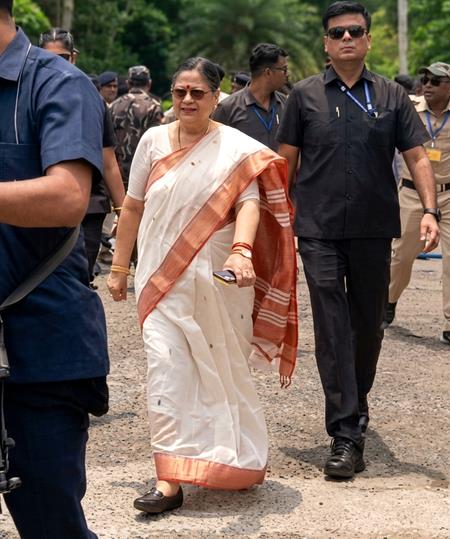
Dastidar’s resignation from the Trinamool Congress last week left her political future uncertain. By attending the CM’s administrative meeting, she publicly aligns herself with Banerjee’s government, a clear departure from her previous loyalty. This shift could trigger a domino effect among other disgruntled Trinamool leaders.
The administrative meeting focused on development projects and political strategy, giving Dastidar direct access to policy decisions. For Banerjee, absorbing a sitting MP strengthens her parliamentary numbers and weakens the opposition. The move also sends a message of consolidation ahead of upcoming elections.
Political analysts view Dastidar’s defection as a strategic win for Banerjee, who has been aggressively expanding her coalition. With Trinamool facing internal dissent, Banerjee’s ability to poach key figures undermines her rivals’ stability. This realignment could reshape Bengal’s political landscape in the next election cycle.
Power Move: Dastidar’s defection gives Banerjee a direct line into Trinamool’s inner circle, exposing vulnerabilities. Expect more crossovers as Banerjee leverages her administrative power to dismantle opposition strongholds. The message is clear: loyalty to Trinamool is no longer a safe bet.
This article was edited with AI assistance for readability. Read original here.