NHS Lung Cancer Vans Detect 10,000+ Cases: Screening Revolution
Baca dalam 60 detik
- The fleet of 29 trucks equipped with low-dose CT scanners has screened more than 200,000 people since 2019, catching tumors at stage one or two in 75% of cases.
- Traditional diagnosis often occurs at stage three or four, when treatment options narrow.
- The program's success rate signals a paradigm shift from reactive to preventive care.
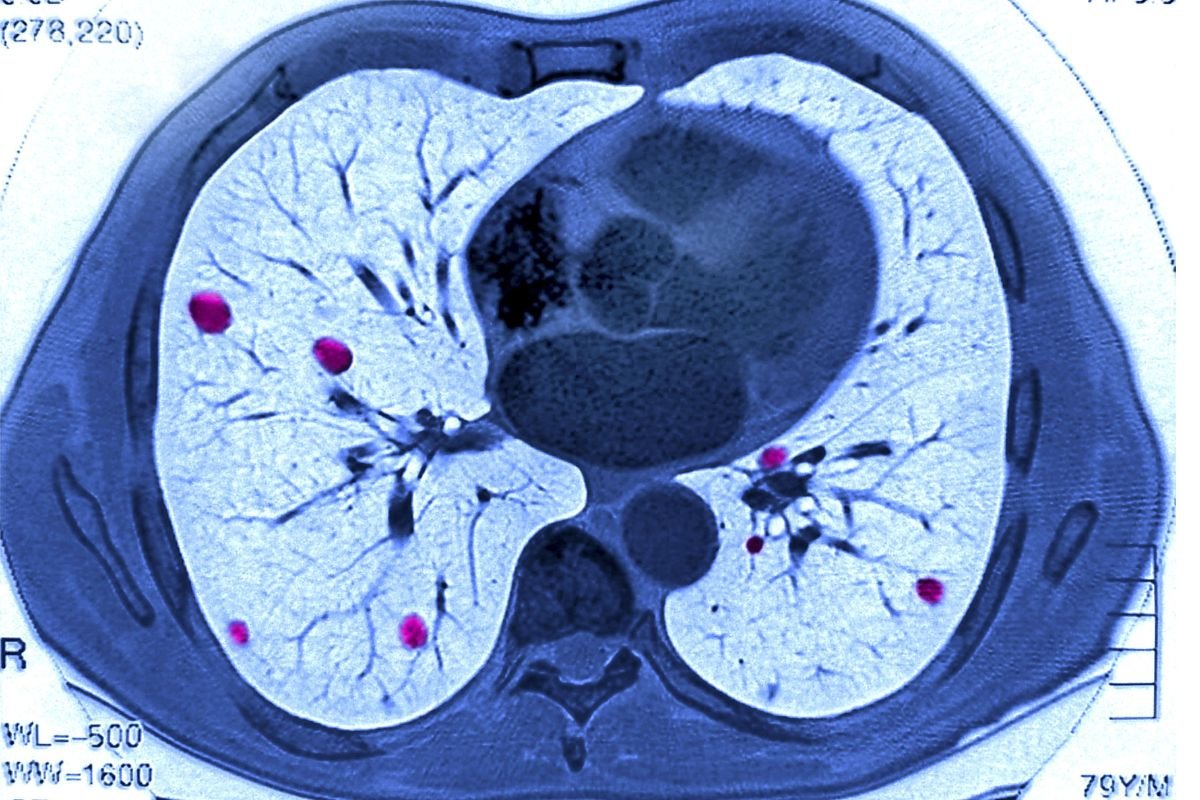
The fleet of 29 trucks equipped with low-dose CT scanners has screened more than 200,000 people since 2019, catching tumors at stage one or two in 75% of cases. Traditional diagnosis often occurs at stage three or four, when treatment options narrow. The program's success rate signals a paradigm shift from reactive to preventive care.
Targeting communities with lower screening uptake, the vans have reduced health inequalities by reaching smokers and deprived populations. Lung cancer kills over 35,000 Britons annually, but early detection boosts five-year survival to 80%. The NHS plans to expand the fleet to 50 units by 2025, aiming to screen 1 million people.
This model cuts costs by avoiding late-stage treatments, which are ten times more expensive than early interventions. The vans also free up hospital capacity, allowing staff to focus on complex cases. Critics warn of overdiagnosis, but data shows a 26% reduction in lung cancer mortality among screened groups.
Power Move: The NHS mobile scanning program is a blueprint for global cancer screening. Expect other nations to adopt similar roving units, driving down mortality rates while straining diagnostic supply chains. Health systems that invest early will reap the biggest survival dividends.
This article was edited with AI assistance for readability. Read original here.