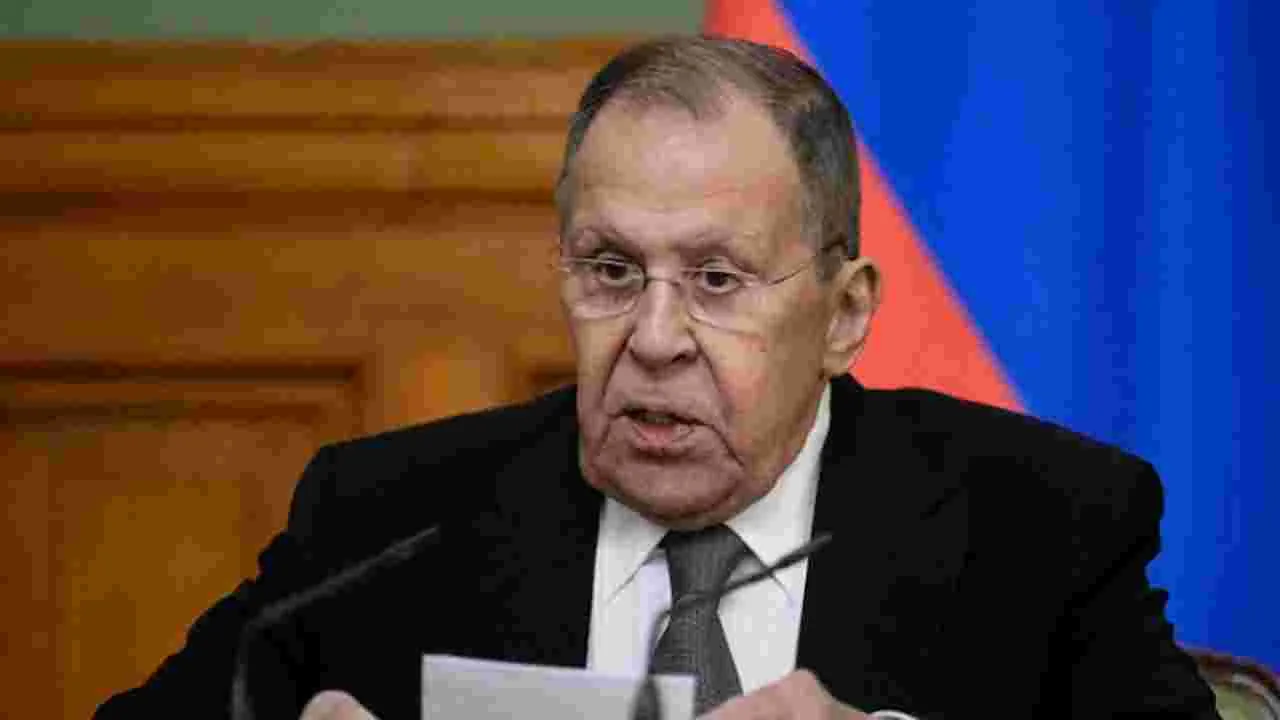
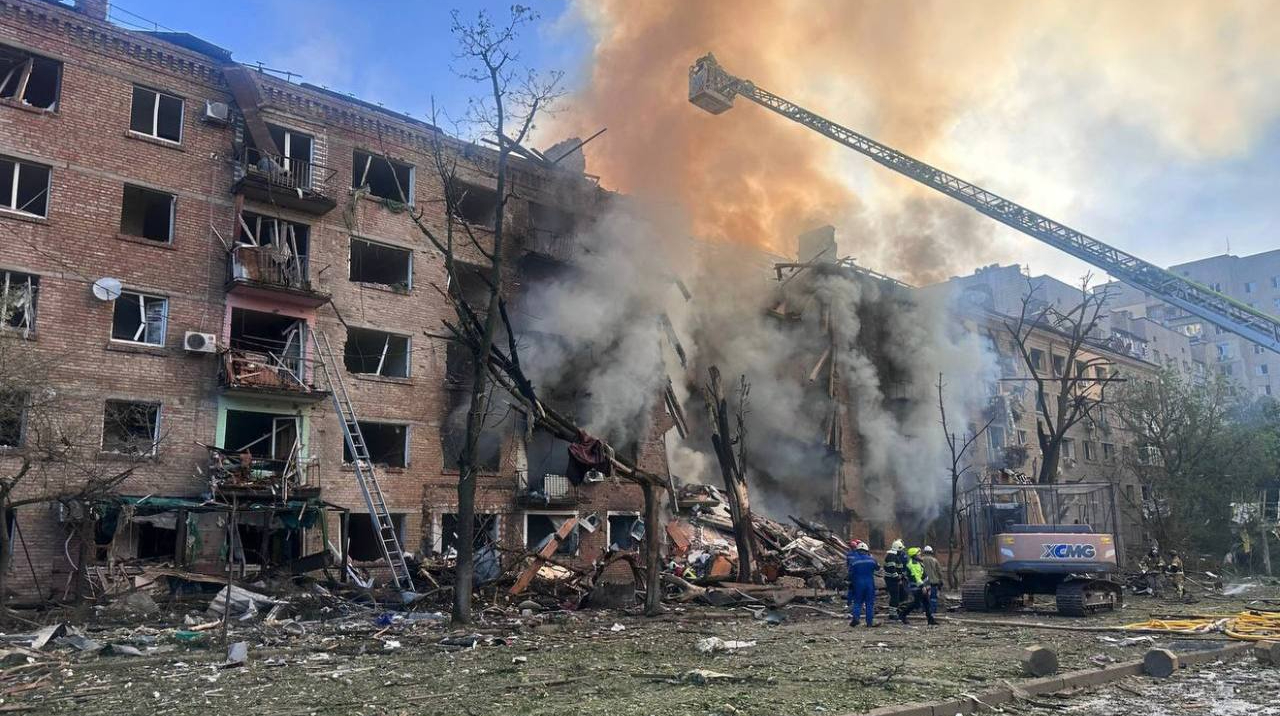
Iran's New Security Chief Vows No Retreat as Hormuz Tensions Explode
Baca dalam 60 detik
- The Strait of Hormuz carries 21 million barrels of oil daily, making it the world's most vital energy artery.
- Iran's hardline posture signals potential supply disruptions that historically spike crude prices by 15-30% within weeks.
- Crypto markets often mirror such volatility, with Bitcoin seeing 10-20% rallies during past Middle East crises as investors seek non-sovereign assets.

The Strait of Hormuz carries 21 million barrels of oil daily, making it the world's most vital energy artery. Iran's hardline posture signals potential supply disruptions that historically spike crude prices by 15-30% within weeks. Crypto markets often mirror such volatility, with Bitcoin seeing 10-20% rallies during past Middle East crises as investors seek non-sovereign assets.
This security appointment consolidates power under Iran's Supreme Leader, likely accelerating aggressive naval patrols. The US and allied navies have already reinforced their presence, raising the probability of accidental engagements. Historical precedents show that Hormuz disruptions trigger 72-hour crypto volume surges of 40% as fiat alternatives gain traction.
Crypto miners and traders in the Gulf region face immediate operational risks from potential conflict escalation. Iran's own crypto mining sector, which accounts for 7% of global Bitcoin hashrate, could face sanctions crackdowns. The strategic play for crypto becomes a safe haven play, but only for assets with decentralized infrastructure beyond state control.
Power Move: Iran's no-retreat stance transforms Hormuz from a shipping lane into a geopolitical minefield. Crypto's role as a crisis hedge will be tested, but only coins with robust decentralized networks will survive the volatility. Smart money pivots to resilient assets before the first oil tanker turns back.
This article was edited with AI assistance for readability. Read original here.