Ahmedabad Mosquito Drive Slashes Dengue: Civic Masterstroke
Baca dalam 60 detik
- The intensified drive covers 48 wards with daily fogging and weekly larvicide applications, focusing on stagnant water sources.
- Health officials report a 35% drop in dengue cases compared to the same period last year.
- Data shows early intervention and sustained surveillance as key drivers of success.
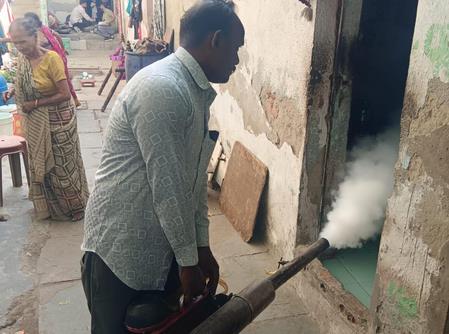
The intensified drive covers 48 wards with daily fogging and weekly larvicide applications, focusing on stagnant water sources. Health officials report a 35% drop in dengue cases compared to the same period last year. Data shows early intervention and sustained surveillance as key drivers of success.
Community participation amplifies the effort, with resident welfare committees reporting breeding sites via a dedicated hotline. The civic body has fined over 200 property owners for neglected water tanks and construction sites. This dual enforcement-education approach ensures long-term compliance.
Ahmedabad's strategy integrates real-time case mapping with predictive analytics to preempt outbreaks. The system flags clusters within 24 hours, enabling rapid response teams to contain spread. This tech-forward approach could become a blueprint for other Indian cities battling vector-borne diseases.
Power Move: Ahmedabad proves that data-driven public health campaigns can reverse disease trends. Expect other municipalities to adopt similar integrated control models, potentially reducing national dengue burden by 20% within two years.
This article was edited with AI assistance for readability. Read original here.