
Pharmaceutical Pricing Reform: Industry on Notice
Baca dalam 60 detik
- Current pricing structures rely on opaque rebate systems and patent thickets that inflate costs by 300-500% above manufacturing.
- These mechanisms have weathered previous reform attempts, but the Inflation Reduction Act's Medicare negotiation provisions signal a new era of aggressive oversight.
- Drugmakers now face a choice: restructure pricing or face mandatory caps.
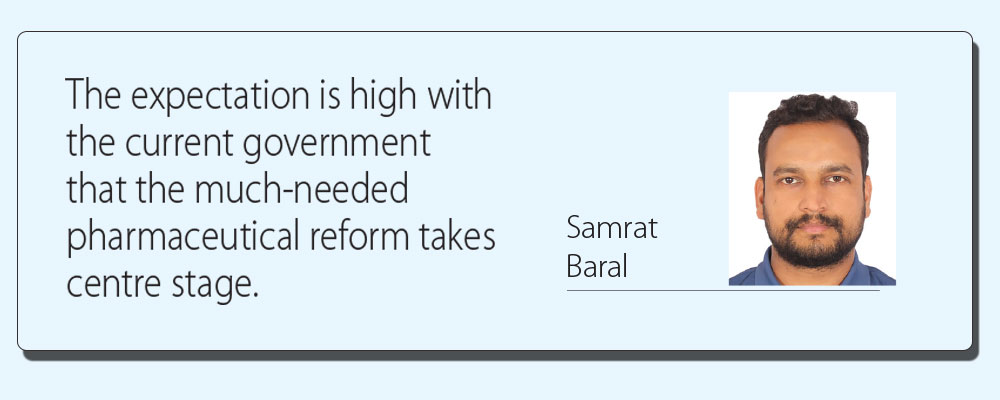
Current pricing structures rely on opaque rebate systems and patent thickets that inflate costs by 300-500% above manufacturing. These mechanisms have weathered previous reform attempts, but the Inflation Reduction Act's Medicare negotiation provisions signal a new era of aggressive oversight. Drugmakers now face a choice: restructure pricing or face mandatory caps.
The strategic landscape shifts as biosimilars and gene therapies disrupt traditional revenue models. Companies clinging to blockbuster pricing risk losing market share to cheaper alternatives, while those embracing value-based pricing gain regulatory goodwill. Early movers like CVS Health's CostVantage model are already reshaping pharmacy benefit dynamics.
Investors should watch for three signals: patent cliff waves in 2026-2028, FDA approval rates for generics, and state-level price transparency laws. The winners will be companies that proactively unbundle pricing from R&D costs, offering subscription or outcomes-based models. Losers will be those that litigate against reform rather than innovate.
Power Move: The pricing reform tide is irreversible. Pharmaceutical executives who wait for legislation to force their hand will lose control of their own margins. The power move now is to lead the transition to value-based pricing before regulators define the terms.
This article was edited with AI assistance for readability. Read original here.



:strip_icc():format(jpeg)/kly-media-production/medias/7183572/original/042519500_1779979517-rumah_kontrakan_bekasi.jpg)