ICMR Study: Indians Over-Reliant on Cereals, Nutrient Gap Widens
Baca dalam 60 detik
- The study analyzed dietary data from 30,000 households, finding cereals contribute 60-70% of daily calorie intake—far exceeding recommended levels.
- Consumption of protein-rich pulses and eggs remains critically low, with 80% of households underconsuming them.
- This narrow diet lacks diversity, leading to widespread iron, zinc, and vitamin A deficiencies.
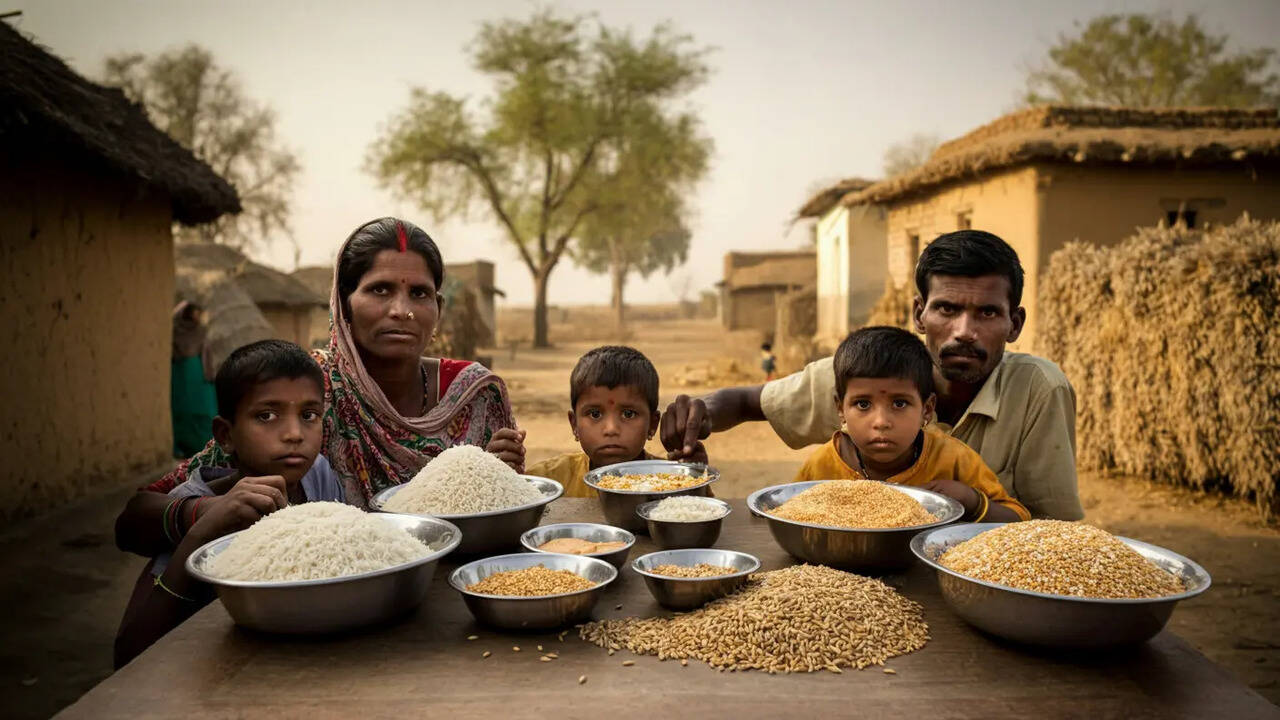
The study analyzed dietary data from 30,000 households, finding cereals contribute 60-70% of daily calorie intake—far exceeding recommended levels. Consumption of protein-rich pulses and eggs remains critically low, with 80% of households underconsuming them. This narrow diet lacks diversity, leading to widespread iron, zinc, and vitamin A deficiencies.
Urban populations show marginally better diversity, but rural areas depend almost exclusively on rice and wheat. The overemphasis on cereals correlates with rising obesity, diabetes, and heart disease rates across income groups. ICMR warns that without dietary shifts, India's healthcare costs will surge by 40% within a decade.
Policy makers must subsidize pulses, millets, and vegetables to make them affordable alternatives. Fortification of staple cereals with micronutrients offers a stopgap, but long-term success requires public education campaigns. Agricultural subsidies currently favor cereals—redirecting them could reshape production and consumption patterns.
Power Move: India's cereal addiction is a strategic vulnerability. The government must pivot subsidies from grains to diverse crops, or face an escalating health crisis that drains economic productivity. The next 24 months are critical for policy action.
This article was edited with AI assistance for readability. Read original here.

:strip_icc():format(jpeg)/kly-media-production/medias/7183572/original/042519500_1779979517-rumah_kontrakan_bekasi.jpg)