Prabowo Admits He Doesn't Understand Shares: 'I'm Old Economy' and Flags Stock-Frying Practices
Baca dalam 60 detik
- Presiden Prabowo Subianto menyatakan tidak memiliki investasi saham karena mengaku tidak memahami instrumen pasar modal.
- Ia menyoroti praktik penggorengan saham yang merugikan investor kecil dan menegaskan komitmen pemerintah pada persaingan usaha yang bersih.
- Pernyataan ini muncul di tengah dorongan pemerintah meningkatkan inklusi keuangan dan kepercayaan pasar modal Indonesia.
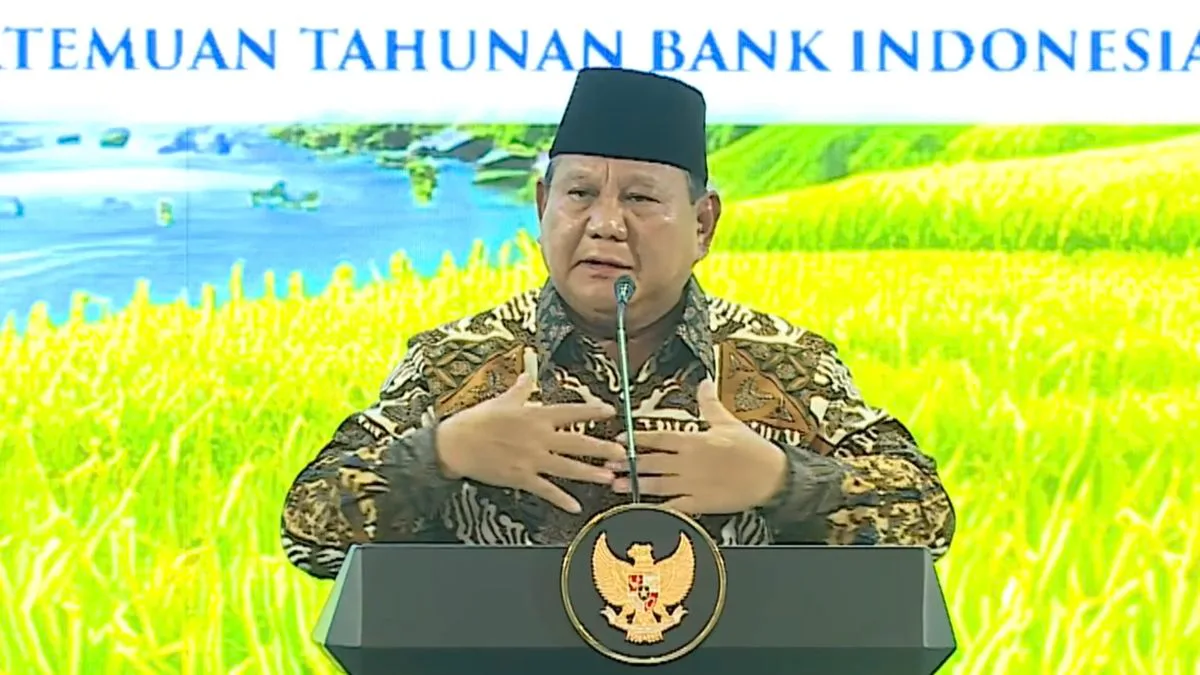
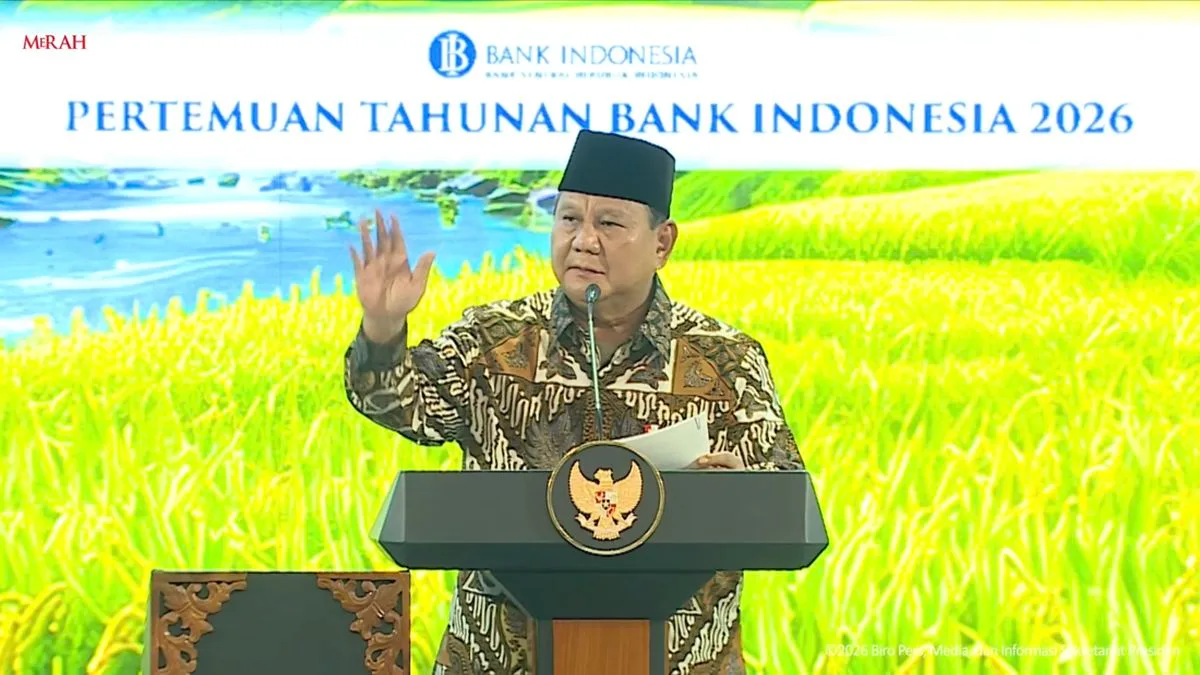
President Prabowo Subianto openly admitted that he does not invest funds in the stock market. At Bank Indonesia's Annual Meeting in Jakarta on Friday (27/11), the head of state described himself as a follower of the old economy school who does not understand the ins and outs of transactions on the exchange floor.
"I don't dare to play the stock market, because I don't understand it. I'm old economy," Prabowo said before participants of the forum. The admission was not merely a quip, but an opening for criticism of practices he considers damaging to market fairness.
Prabowo highlighted the prevalence of stock-frying practices carried out by a handful of parties. According to him, such behavior directly affects ordinary people who try their luck in the capital market with limited funds. He considers the practice to violate the principle of economic fairness and harm the wider public.
In his speech, the President emphasized that his administration will maintain clean governance. Every citizen, without exception, must have an equal opportunity to do business and invest. "The government must safeguard a clean and same playing field. It's not that we fear being reprimanded by foreigners; for our country, we must have good government. If we have good government, our economy will surely rise remarkably," he stressed.
Prabowo's statement reflects a tension that often arises in developing countries: between encouraging financial market deepening and protecting small investors from manipulation. Indonesia itself is striving to improve financial inclusion, including by expanding the retail investor base on the Indonesia Stock Exchange. However, uneven financial literacy leaves the public vulnerable to speculative practices.
The "old economy" admission from a president can be read as a signal that current economic policy focuses more on the real sector, infrastructure, and downstreaming—rather than on complex financial instruments. Nevertheless, the statement could also raise questions about how deeply the government understands the dynamics of the capital market, which is increasingly important for financing development.
Going forward, the public will await concrete steps by the government to crack down on stock-frying practices. Will there be stricter law enforcement against market manipulation, or are moral appeals like this enough to improve the investment climate? The answer will determine investor trust in Indonesia's capital market.