92 Labour MPs Oppose Rosebank Oil Field, Prime Minister at Risk of Party Split
Baca dalam 60 detik
- Sebanyak 92 anggota parlemen Partai Buruh, termasuk asisten menteri, menandatangani surat menolak proyek ladang minyak Rosebank.
- Keputusan akhir ada di tangan Menteri Energi Miatta Fahnbulleh, yang diyakini secara pribadi menentang proyek tersebut.
- Jika proyek disetujui, sejumlah asisten menteri mengancam mundur, memperlihatkan perpecahan di tubuh Partai Buruh.
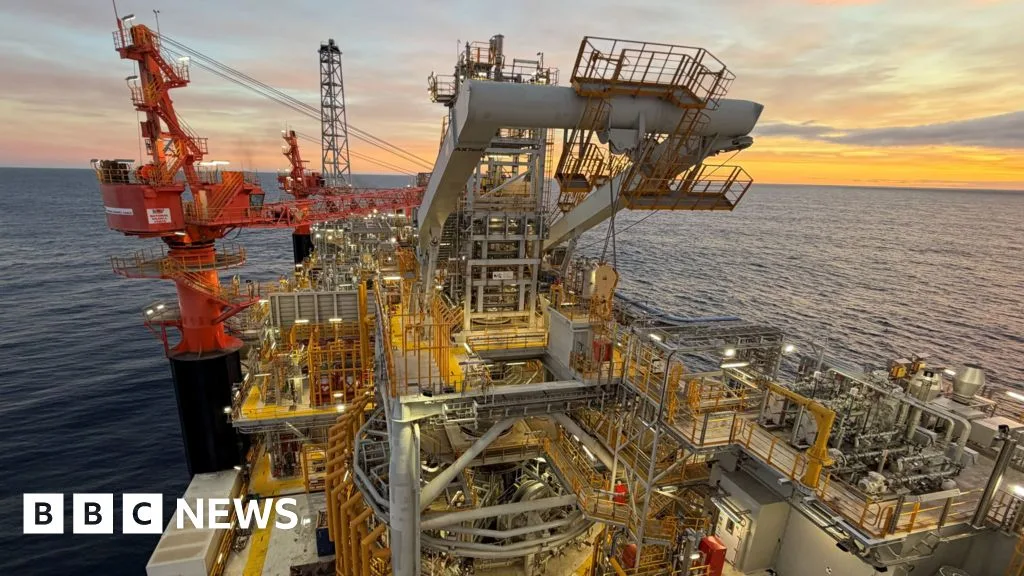
Political pressure on the British Prime Minister from his own party peaked after 92 Labour MPs sent a formal letter opposing the development of the Rosebank oil field off the coast of Shetland. The letter, received by Downing Street on Tuesday (26/11/2024), is the clearest signal yet of internal Labour divisions over energy and climate policy.
What sharpens the situation further is that several ministerial aides—the most junior positions in government—also signed it. Several sources in Westminster say that if the project goes ahead, a wave of resignations from the ranks of ministerial aides could occur within days. The final decision rests with Energy Minister Miatta Fahnbulleh, who is expected to take a position in the coming weeks.
The letter was initiated by Catherine Fookes, the MP for Monmouthshire. She stressed that approving Rosebank would only benefit a private oil company, while the public would see no direct benefit. “That oil belongs to a private company and will be shipped abroad to the highest bidder,” she said, adding that the project would instead worsen the climate crisis that has triggered winter floods and wildfires.
Behind the scenes, the battle is fierce. Fahnbulleh is known to personally oppose Rosebank, but she stressed that the final decision is entirely hers and that the courts will side with her if colleagues attempt to intervene. By contrast, Finance Minister John Healey and several other cabinet ministers are reported to support the project on economic and energy security grounds. The Prime Minister himself has repeatedly called for a “pragmatic” approach to North Sea oil and gas.
Supporters of Rosebank argue that approval would provide an economic boost and strengthen energy security, in line with the Conservative Party's claims. However, because oil is traded internationally, Fahnbulleh believes the project will not immediately lower the cost of living. She also highlighted that Rosebank is more polluting than Jackdaw, the gas field approved last month.
“If Rosebank is approved, champagne bottles will pop in the oil company's office, but it will have no effect whatsoever on my constituents' energy bills,” said Catherine Fookes, the MP who organized the letter.
Several MPs who support the project acknowledge that the mood has shifted over the past week. Those who were previously confident Rosebank would pass now worry the project will be blocked. One ministerial aide, who declined to be named, said, “There are quite a few of us considering our position. We want to see leadership on climate change.” Another ministerial aide added that for some of them, the climate issue is the main reason they entered politics.
Even so, not all opponents will resign. Some ministerial aides say they will stay on if the project goes ahead. However, one minister believes Fahnbulleh has “boxed herself in” by the way she has handled Rosebank. “If she encourages MPs to speak out, that is outrageous. We need to make a decision soon,” the minister said.
Whatever decision is taken will be controversial. The Labour government inherited the Rosebank license granted in 2023 by the Conservative government, but a court in Edinburgh overturned the permit as unlawful. Now Labour must decide again. Amid global pressure for an energy transition, Fahnbulleh's move will test the Prime Minister's leadership in maintaining party cohesion while upholding climate commitments. The public is waiting to see whether she will choose the pragmatic path or uphold the green principles that form the electoral foundation of Labour.